
Chimpanzee Trekking in Nyungwe Forest
Chimpanzee trekking in Nyungwe Forest National Park offers one of Africa’s most immersive wildlife experiences, blending adventure with deep ecological discovery. This ancient rain forest in southwestern Rwanda shelters an extraordinary range of biodiversity and gives travelers a rare chance to observe our closest living relatives in the wild.
This guide speaks to curious travelers, wildlife enthusiasts, and Eco-tourists who want a complete and practical understanding of chimpanzee trekking in Nyungwe. Whether you are planning your first African trip or searching for a unique addition to your itinerary, you will find clear guidance, expert insights, and actionable tips here.
By the end, you will know how to plan your trek effectively and understand why Nyungwe delivers one of the most meaningful wildlife encounters in the world.
Understanding Nyungwe Forest National Park
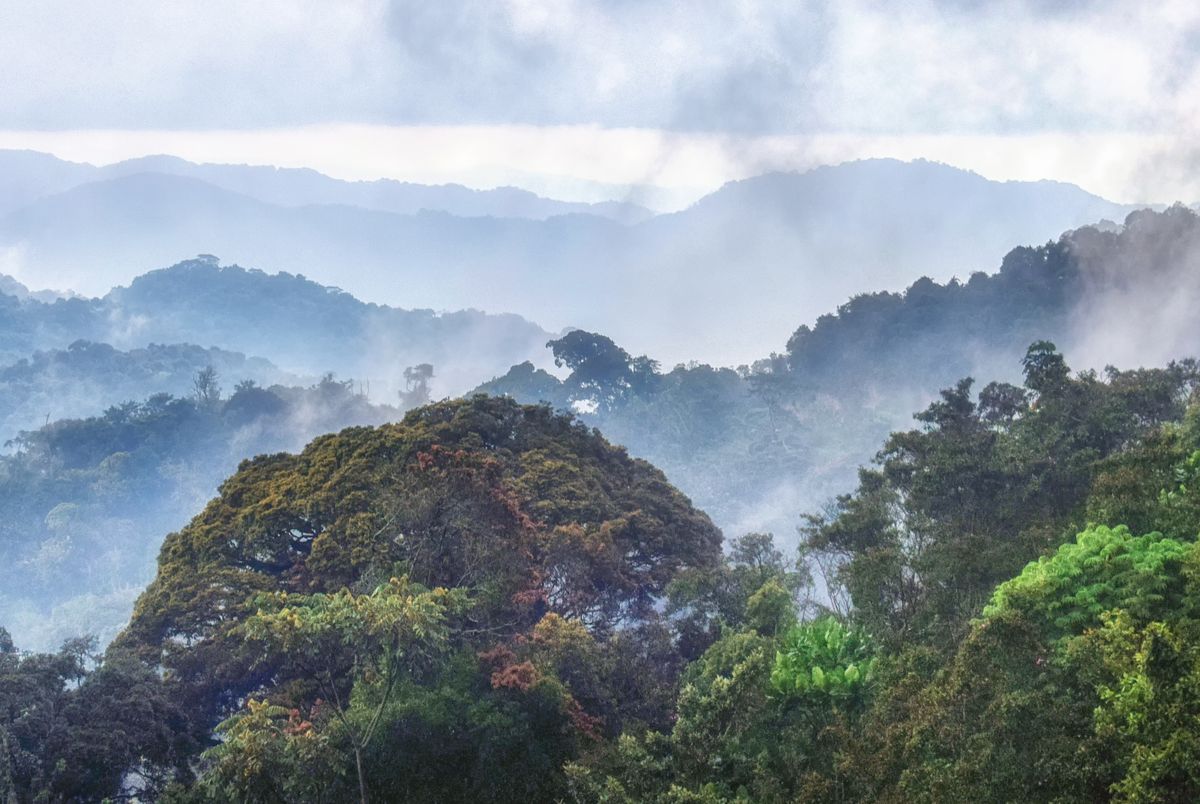
Nyungwe Forest National Park stretches across rolling hills, misty valleys, and dense rain forest canopy. Covering over 1,000 square kilometers, it ranks among Africa’s most biologically rich ecosystems. The park supports more than 13 primate species, making it a top destination for primate trekking.
Chimpanzees draw the most attention, but visitors also encounter colobus monkeys, mangabeys, and hundreds of bird species. The forest’s altitude and climate sustain a complex ecosystem that ranges from towering trees to rare plant species.
Nyungwe stands out for its seclusion. Instead of crowded safari circuits, the park offers a quieter, more personal experience that allows visitors to connect deeply with nature.
What to Expect During a Chimpanzee Trek

Chimpanzee trekking in Nyungwe demands energy, curiosity, and flexibility. Guides lead treks early in the morning when chimpanzees show the highest activity levels.
Experienced trackers guide visitors into the forest and actively search for chimpanzee groups by following vocal calls, nests, and fresh trails. Trekkers often move across steep and uneven terrain, and the search may take one to four hours.
Once trackers locate the chimpanzees, visitors spend time observing them up close. This moment reveals the richness of chimpanzee behavior playful interactions, grooming rituals, and complex communication patterns.
From experience, the unpredictability makes the trek unforgettable. One moment you push through thick vegetation, and the next you stand within meters of chimpanzees calling across the forest canopy. The encounter feels both thrilling and deeply humbling.
Preparing for the Trek
Good preparation shapes the entire trekking experience. The terrain challenges visitors, and the weather can shift quickly, so proper planning matters.
Wear long-sleeved shirts and trousers to protect your skin from insects and vegetation. Choose sturdy hiking boots to handle muddy and uneven trails. Carry a lightweight rain jacket, since sudden showers occur frequently in the rainforest.
You should also prepare physically. A moderate fitness level helps you manage the hike comfortably, especially at higher altitudes. Move at a steady pace and stay hydrated throughout the trek.
Secure your trekking permit in advance, as availability remains limited. These permits directly support conservation programs and help manage visitor numbers responsibly.
Best Time to Visit Nyungwe
Travelers can visit Nyungwe Forest throughout the year, but each season shapes the experience differently. The dry seasons from June to September and December to February offer more stable trekking conditions. Trails stay firmer, and movement becomes easier.
The wet seasons bring their own advantages. The forest becomes lush and vibrant, and abundant food sources can make chimpanzees easier to track. Birdwatchers often prefer this period due to increased activity.
Your ideal timing depends on your priorities. Choose the dry season for easier hikes or the wet season for richer scenery and fewer crowds.
Conservation and Responsible Tourism
Chimpanzee trekking in Nyungwe plays a direct role in conservation. The park protects endangered species and preserves critical ecosystems, while tourism revenue funds these efforts.
Visitors must follow strict guidelines during treks. Keep a safe distance from chimpanzees, avoid loud noise, and respect the natural environment. These practices protect both wildlife and visitors.
When you understand your impact, the experience gains deeper meaning. You do more than observe wildlife you actively support its survival. This connection turns trekking into a powerful conservation experience.
Why Nyungwe Stands Out
Nyungwe offers a distinct chimpanzee trekking experience compared to other African destinations. Its dense rain-forest creates a more immersive and physically engaging adventure than open savannah environments.
The park’s biodiversity adds even more value. Few places allow visitors to encounter such a wide range of primates in one location. Combined with scenic landscapes and fewer crowds, Nyungwe delivers a richer, more intimate experience.
From a conservation perspective, Nyungwe also demonstrates how tourism and environmental protection can work together successfully. This approach adds educational value and reinforces the importance of sustainable travel.
Conclusion
Chimpanzee trekking in Nyungwe Forest National Park offers far more than a typical wildlife activity. It combines adventure, education, and conservation into a single, unforgettable experience.
Every stage of the journey from trekking through dense forest to observing chimpanzee behavior creates lasting memories. With proper preparation and a responsible mindset, you can fully enjoy and appreciate this remarkable adventure.
If you want an authentic and meaningful wildlife encounter, Nyungwe delivers on every level. Start planning your trip and experience firsthand the extraordinary world of chimpanzees in their natural habitat.


