
Uganda is famous for gorilla trekking, wildlife safaris, and spectacular landscapes. However, one of the country’s most fascinating attractions lies within its vibrant cultural heritage. Travelers seeking authentic experiences often discover that attending cultural festivals in Uganda provides a unique opportunity to connect with local communities, traditions, music, dance, history, and spirituality.
From ancient royal ceremonies and initiation rituals to international music festivals and religious pilgrimages, cultural festivals in Uganda showcase the country’s extraordinary diversity. With more than fifty ethnic communities, multiple traditional kingdoms, and a rich blend of indigenous and modern influences, Uganda offers some of Africa’s most authentic cultural celebrations.
Unlike ordinary tourist attractions, festivals allow visitors to witness living traditions in their natural setting. They reveal how communities preserve their heritage, celebrate milestones, honor ancestors, and strengthen social bonds. Consequently, cultural festivals in Uganda have become an increasingly important part of the country’s tourism offering.
This comprehensive Cultural Festivals in Uganda Guide explores the most significant celebrations, their cultural importance, the best time to attend, and how travelers can responsibly enjoy these unforgettable events while gaining a deeper understanding of Uganda’s identity.
Why Cultural Festivals in Uganda Matter
Cultural festivals in Uganda are more than entertainment events. They serve as powerful expressions of identity, heritage, and community pride.
For generations, festivals have helped preserve traditions, oral histories, music, dance styles, and cultural practices. Furthermore, they provide opportunities for younger generations to learn from elders and maintain strong connections with their heritage.
Today, these celebrations also contribute significantly to tourism and local economies. Visitors attending cultural festivals in Uganda support local businesses, artisans, performers, guides, accommodation providers, and community tourism initiatives.
As a result, festivals play an important role in both cultural preservation and sustainable development.
The Cultural Diversity Behind Uganda’s Festivals
Understanding cultural festivals in Uganda begins with understanding the country’s remarkable diversity.
Uganda is home to more than fifty ethnic communities spread across different regions. Each community possesses unique traditions, ceremonies, languages, beliefs, and artistic expressions.
The Buganda Kingdom in central Uganda, the Bamasaba communities around Mount Elgon, the pastoral cultures of Karamoja, and the royal traditions of western Uganda all contribute to the country’s rich cultural landscape.
Therefore, no two festivals are exactly alike. Each celebration reflects the values, history, and identity of the community that hosts it.
Cultural Festivals in Uganda by Region
One of the most fascinating aspects of cultural festivals in Uganda is the diversity found across different regions of the country. Each region contributes unique celebrations that reflect local traditions, historical experiences, and cultural identities.
Central Uganda Festivals
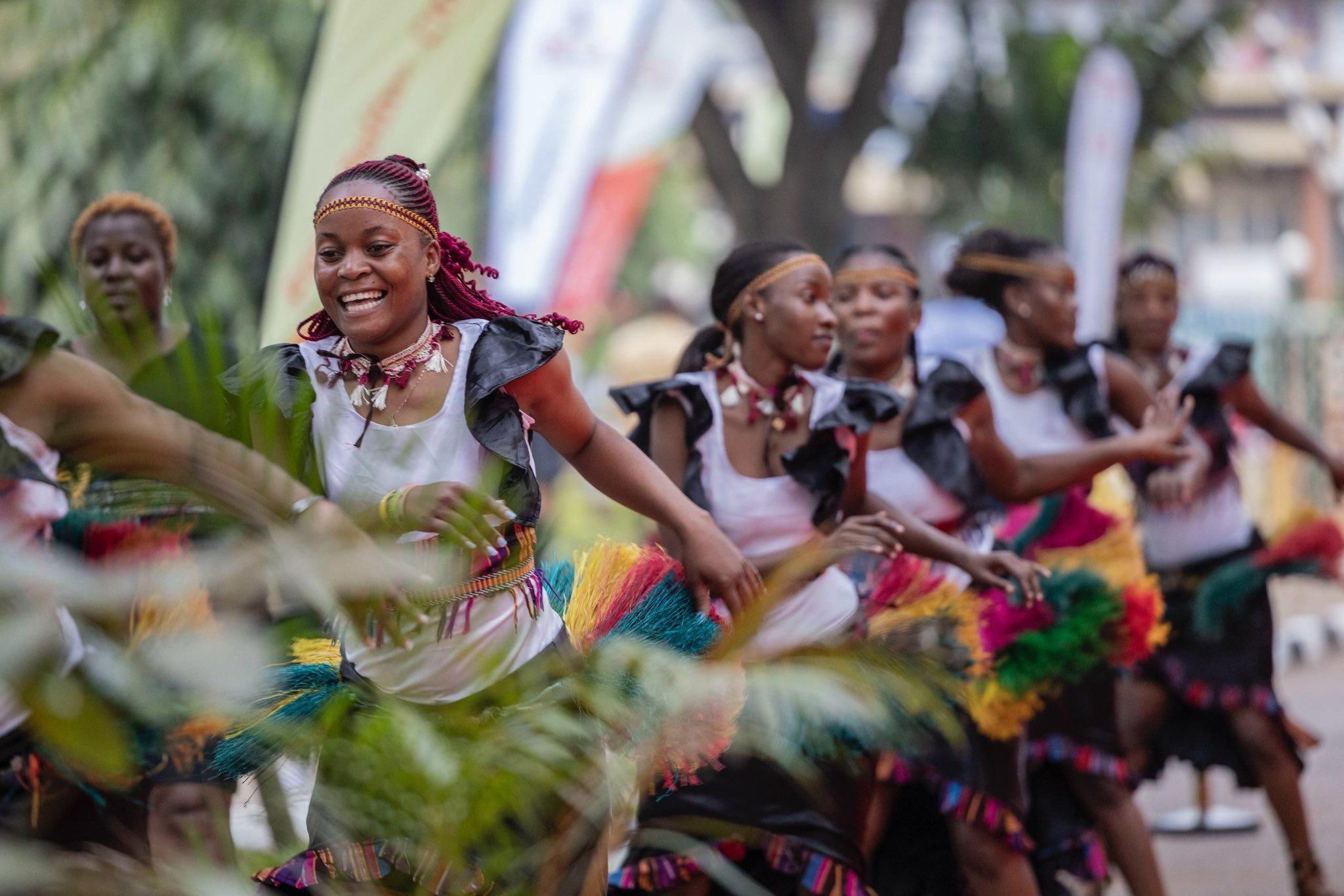
Central Uganda is home to the Buganda Kingdom, which hosts various royal and cultural celebrations throughout the year. These events often feature traditional music, dance, storytelling, and ceremonies that showcase the kingdom’s rich heritage.
Eastern Uganda Festivals
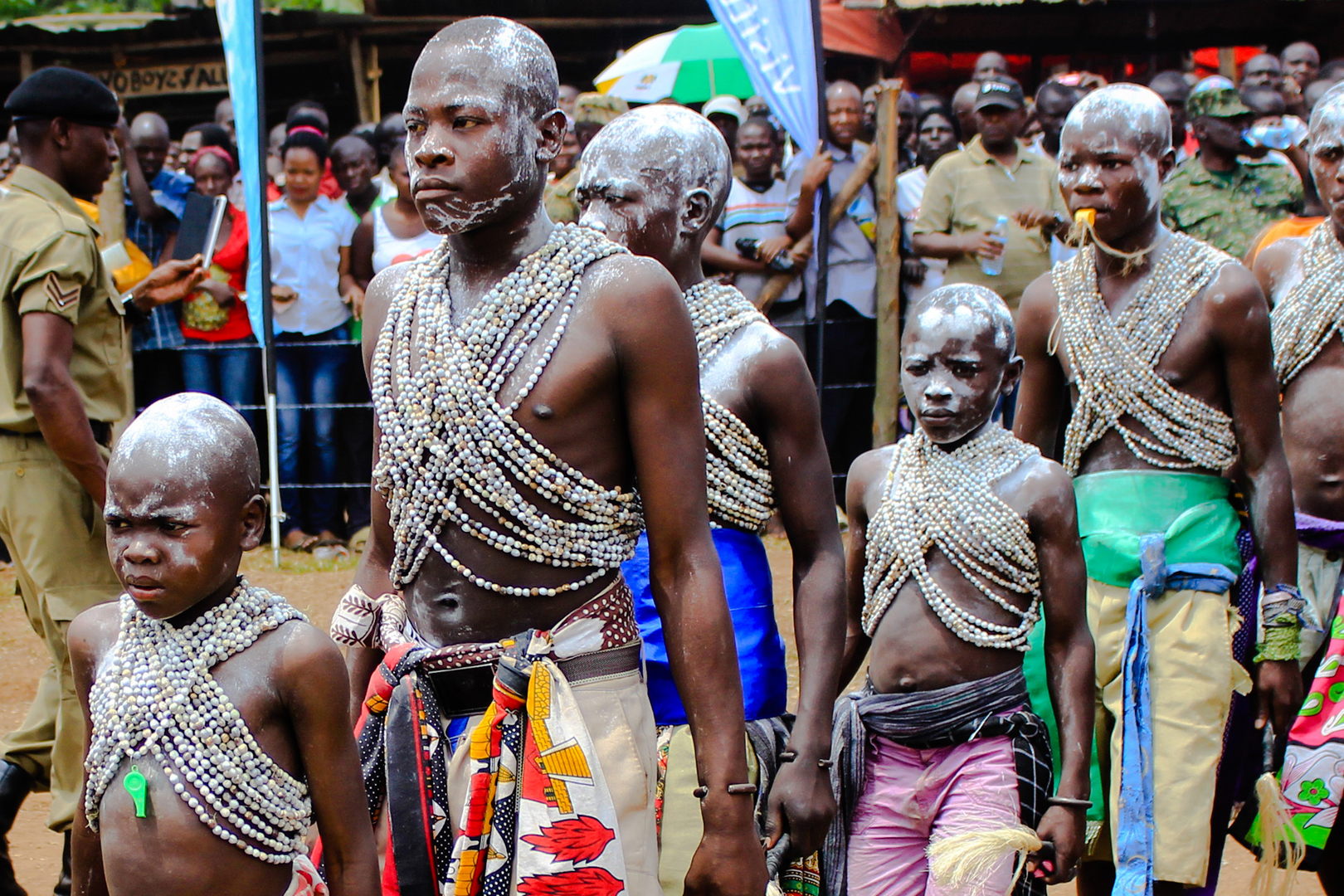
Eastern Uganda is best known for the Imbalu circumcision ceremony among the Bamasaba people. However, the region also hosts cultural gatherings that celebrate community identity, traditional leadership, and local customs.
Western Uganda Festivals

Western Uganda features cultural events linked to the Tooro, Bunyoro, and Ankole regions. Visitors can experience royal ceremonies, traditional dances, cattle-related cultural activities, and heritage celebrations that highlight the area’s history.
Northern Uganda Festivals
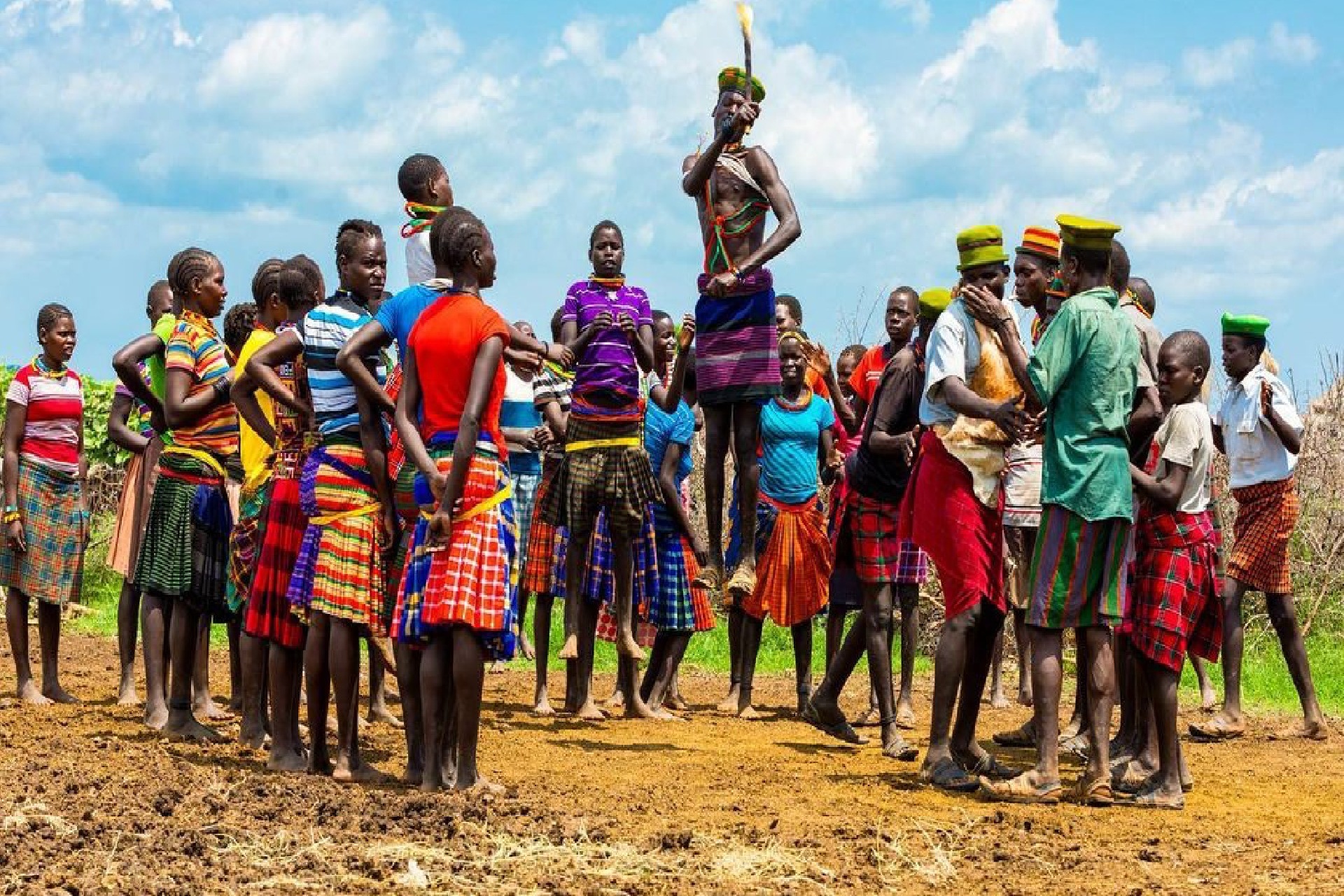
Northern Uganda offers cultural celebrations that emphasize community resilience, traditional music, dance, and storytelling. Many events preserve Acholi, Lango, and Alur cultural traditions while promoting cultural revival and heritage preservation.
As a result, exploring cultural festivals in Uganda by region allows travelers to appreciate the country’s remarkable cultural diversity.
Imbalu: The Famous Circumcision Ceremony of Eastern Uganda
Among all cultural festivals in Uganda, the Imbalu ceremony is one of the most recognized internationally.
Held by the Bamasaba people around Mount Elgon, Imbalu marks the transition from boyhood to adulthood. This public initiation ceremony takes place every even-numbered year and attracts thousands of participants and spectators.
The celebrations begin long before the actual circumcision rituals. Communities gather for traditional dances, music performances, family ceremonies, and cultural processions that create a festive atmosphere throughout the region.
Furthermore, Imbalu represents courage, identity, and community belonging. Young men undergoing initiation demonstrate bravery while families and communities celebrate their passage into adulthood.
For cultural travelers, witnessing Imbalu provides a rare opportunity to observe one of East Africa’s most significant traditional ceremonies.
Uganda Martyrs Day: A National Pilgrimage
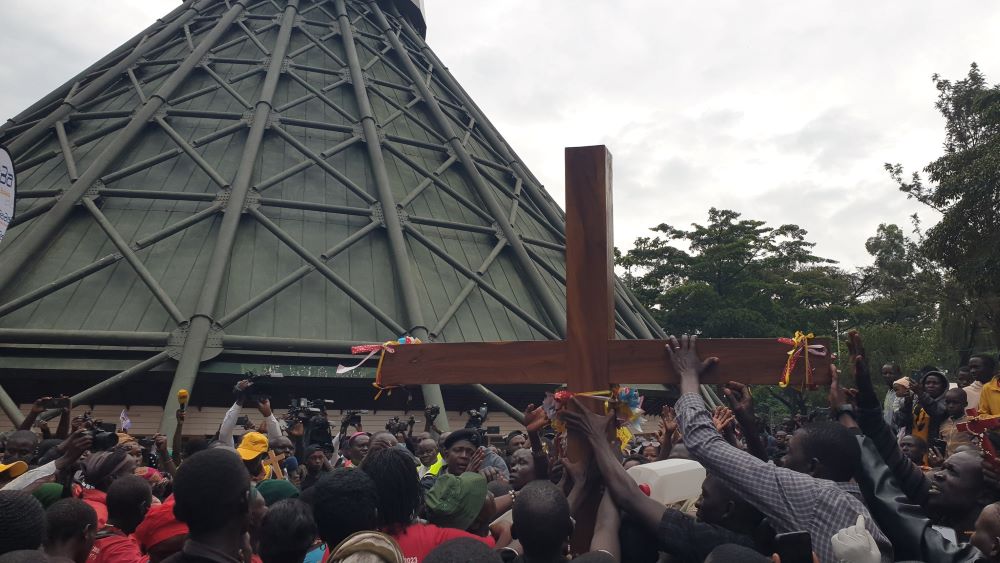
Another major event among cultural festivals in Uganda is Uganda Martyrs Day, celebrated annually on June 3rd.
The event commemorates the Christian converts who were executed between 1885 and 1887 during the reign of Kabaka Mwanga II. Today, millions of pilgrims travel to Namugongo from across Uganda and neighboring countries.
The celebration combines faith, history, culture, and national identity. Pilgrims often walk hundreds of kilometers as an expression of devotion and commitment.
Moreover, Uganda Martyrs Day demonstrates the important role religion continues to play in Ugandan society. The gathering creates a powerful atmosphere of unity, reflection, and celebration that attracts both religious pilgrims and cultural tourists.
The Nyege Nyege Festival

While many cultural festivals in Uganda are rooted in ancient traditions, the Nyege Nyege Festival represents the country’s modern creative energy.
Held near the Nile in Jinja, Nyege Nyege has grown into one of Africa’s most influential music and arts festivals. The event brings together artists, musicians, performers, and cultural enthusiasts from across Africa and beyond.
The festival showcases electronic music, traditional African sounds, visual arts, fashion, and cultural innovation. Furthermore, it highlights Uganda’s position as a growing hub for contemporary African creativity.
Although modern in nature, Nyege Nyege still reflects cultural exchange and artistic expression, making it an important addition to Uganda’s festival landscape.
Cultural Festivals in Uganda and Traditional Kingdoms
Traditional kingdoms continue to influence many cultural festivals in Uganda.
The Buganda Kingdom regularly hosts cultural events celebrating royal heritage, traditional governance, and historical milestones. Visitors can witness traditional dances, storytelling sessions, cultural exhibitions, and royal ceremonies that preserve centuries of history.
Similarly, the Bunyoro, Tooro, and Busoga kingdoms organize celebrations that honor cultural traditions and strengthen community identity.
These events provide valuable opportunities for travelers to learn about Uganda’s historical institutions and their continuing relevance in modern society.
Cultural Festivals in Uganda and Traditional Music
Music forms the heartbeat of many cultural festivals in Uganda.
Different regions have developed unique musical styles and instruments that reflect their history and social values. Traditional drums, xylophones, harps, flutes, and percussion instruments play central roles in festival celebrations.
Furthermore, music serves as a form of storytelling. Through songs and performances, communities share historical events, moral lessons, and cultural values.
Consequently, attending a festival allows visitors to experience Uganda’s rich musical heritage firsthand.
Traditional Dance Performances at Ugandan Festivals
Dance remains one of the most visible elements of cultural festivals in Uganda.
Each region possesses distinctive dance styles characterized by unique movements, costumes, rhythms, and symbolism. These dances often accompany important ceremonies, celebrations, and community gatherings.
In Buganda, the energetic Bakisimba dance remains a cultural favorite. In western Uganda, Ekitaguriro performances showcase traditional Ankole heritage. Meanwhile, communities in northern Uganda present dances that celebrate resilience, unity, and cultural pride.
Therefore, traditional dance performances provide a fascinating window into Uganda’s cultural diversity.
Food and Culinary Traditions During Festivals

Food plays a central role in cultural festivals in Uganda.
Festival celebrations often bring families and communities together to prepare traditional meals using recipes passed down through generations. Visitors frequently have opportunities to sample local specialties while learning about regional culinary traditions.
Moreover, shared meals strengthen social bonds and create opportunities for cultural exchange. As a result, food becomes an important part of the overall festival experience.
For many travelers, discovering Uganda’s diverse cuisine adds another memorable dimension to cultural tourism.
Harvest Festivals and Community Celebrations
Beyond nationally recognized events, many local communities organize harvest festivals and seasonal celebrations throughout the year.
These gatherings often mark successful harvests, community achievements, or important agricultural milestones. They provide opportunities for music, dancing, storytelling, and collective thanksgiving.
Although smaller in scale, these local celebrations often offer some of the most authentic cultural experiences available to visitors.
Consequently, travelers who explore beyond major tourist routes frequently discover hidden cultural treasures within Uganda’s rural communities.
Cultural Festivals in Uganda and Community Tourism
Community tourism has become increasingly important in supporting cultural festivals in Uganda.
When visitors attend festivals responsibly, tourism revenue helps support local performers, artisans, guides, accommodation providers, and cultural preservation projects.
Furthermore, community involvement ensures that festivals remain authentic rather than becoming purely commercial attractions.
As a result, responsible cultural tourism benefits both visitors and host communities.
Lesser-Known Cultural Festivals in Uganda
While major events attract international attention, several lesser-known celebrations offer equally rewarding experiences.
Empango Ceremony
The Empango ceremony celebrates the coronation anniversary of the Omukama of Bunyoro. The event features traditional rituals, cultural performances, and community celebrations that preserve centuries of royal heritage.
Ekyooto Cultural Festival
This cultural gathering celebrates traditional values, indigenous knowledge, and community identity through music, dance, storytelling, and cultural exhibitions.
Tooro Kingdom Cultural Celebrations
The Tooro Kingdom regularly organizes cultural events that highlight royal traditions, heritage preservation, and community participation.
Acholi Cultural Events
Northern Uganda hosts cultural celebrations that showcase Acholi music, dance, storytelling, and traditional practices that have been preserved through generations.
These lesser-known cultural festivals in Uganda often provide more intimate and authentic cultural experiences.
Best Time to Experience Cultural Festivals in Uganda
Cultural festivals in Uganda occur throughout the year, making it possible to include cultural experiences in almost any travel itinerary.
June brings Uganda Martyrs Day celebrations. Even-numbered years feature the famous Imbalu ceremony. September often hosts the Nyege Nyege Festival. October includes Independence Day celebrations that showcase national pride and cultural diversity.
In addition, numerous local festivals, traditional ceremonies, and cultural events take place year-round across different regions.
Therefore, travelers can plan their visits around specific festivals or discover local celebrations during their journey.
Cultural Festivals in Uganda and Sustainable Tourism
Sustainable tourism plays a crucial role in preserving cultural festivals in Uganda for future generations.
Responsible tourism ensures that communities benefit economically from cultural celebrations while maintaining ownership of their traditions. Furthermore, tourism revenue supports performers, artisans, guides, and cultural preservation projects.
Cultural festivals also create opportunities for younger generations to learn traditional practices and appreciate their heritage. Consequently, festivals contribute to cultural continuity and community pride.
Moreover, sustainable tourism encourages visitors to respect local customs, support local businesses, and engage meaningfully with host communities.
As cultural tourism continues to grow, responsible travel practices will remain essential for protecting the authenticity and long-term sustainability of cultural festivals in Uganda.
Annual Calendar of Cultural Festivals in Uganda
Travelers planning to experience cultural festivals in Uganda often benefit from understanding the annual festival calendar.
January to March
The beginning of the year frequently features local community celebrations, cultural exhibitions, and traditional ceremonies organized by various cultural institutions.
April to June
This period includes Uganda Martyrs Day on June 3rd, one of the country’s largest religious and cultural gatherings.
July to August
Even-numbered years bring the famous Imbalu ceremony in eastern Uganda, attracting thousands of participants and visitors.
September
September often hosts the internationally recognized Nyege Nyege Festival, bringing together musicians, artists, and cultural enthusiasts from around the world.
October
Uganda celebrates Independence Day on October 9th with cultural performances, national celebrations, and heritage events.
November to December
The festive season often includes community celebrations, traditional ceremonies, and cultural events associated with family gatherings and religious holidays.
Therefore, cultural festivals in Uganda provide year-round opportunities for cultural exploration.
Combining Festivals with Wildlife Safaris
One of Uganda’s greatest advantages is the ability to combine cultural experiences with wildlife adventures.
Visitors can attend cultural festivals in Uganda before or after gorilla trekking, chimpanzee tracking, birdwatching excursions, or traditional game drives.
For example, travelers exploring eastern Uganda for the Imbalu ceremony can also visit Sipi Falls and Mount Elgon. Similarly, those attending events in central Uganda can combine cultural experiences with visits to national parks.
This combination creates a richer and more diverse travel experience.
Responsible Festival Tourism
Responsible travel remains essential when attending cultural festivals in Uganda.
Visitors should respect local customs, dress appropriately, seek permission before taking photographs, and follow community guidelines during ceremonies.
Furthermore, supporting local businesses and purchasing authentic crafts directly from artisans contributes to community development.
By approaching festivals with respect and curiosity, travelers help ensure that these traditions continue to thrive for future generations.
Why Choose Ababa Uganda Safaris for Cultural Festival Tours
Experiencing cultural festivals in Uganda requires local knowledge, careful planning, and an understanding of cultural etiquette.
Ababa Uganda Safaris specializes in creating authentic cultural journeys that connect travelers with Uganda’s most significant festivals, heritage sites, and community experiences. Our experienced guides provide valuable cultural insights while ensuring respectful and meaningful interactions with local communities.
Furthermore, Ababa Uganda Safaris designs customized itineraries that combine cultural festivals, wildlife safaris, gorilla trekking, and community tourism experiences into unforgettable adventures.
Frequently Asked Questions About Cultural Festivals in Uganda
1. What are the most popular cultural festivals in Uganda?
Imbalu, Uganda Martyrs Day, Nyege Nyege Festival, and traditional kingdom celebrations are among the most popular.
2. When is the best time to attend cultural festivals in Uganda?
Festivals occur year-round, although June, September, and October are particularly active periods.
3. What is the Imbalu ceremony?
It is a traditional public circumcision ceremony among the Bamasaba people that marks the transition to adulthood.
4. Where is Uganda Martyrs Day celebrated?
The main celebration takes place at Namugongo near Kampala.
5. What is the Nyege Nyege Festival?
It is an internationally recognized music and arts festival held near Jinja.
6. Are cultural festivals suitable for families?
Yes. Most festivals welcome families and visitors of all ages.
7. Can tourists attend traditional ceremonies?
Many ceremonies are open to visitors, although cultural sensitivity and respect are essential.
8. Is photography allowed during festivals?
Generally yes, but permission should always be requested when photographing individuals.
9. How do festivals support local communities?
They generate income, preserve traditions, and promote cultural tourism.
10. Are festivals available throughout the year?
Yes. Different regions host events and celebrations across all seasons.
11. Can festivals be combined with gorilla trekking?
Yes. Many travelers combine cultural experiences with wildlife safaris and gorilla trekking.
12. What should visitors wear at festivals?
Comfortable and respectful clothing suitable for local customs is recommended.
13. Do cultural festivals showcase traditional food?
Yes. Food is often an important part of festival celebrations.
14. Which regions have the most cultural festivals?
Central, eastern, western, and northern Uganda all host significant cultural celebrations.
15. Why travel with Ababa Uganda Safaris?
Ababa Uganda Safaris provides expert planning, cultural expertise, responsible tourism practices, and customized festival experiences across Uganda.
Conclusion
Cultural festivals in Uganda offer far more than entertainment. They provide authentic opportunities to connect with local communities, learn about centuries-old traditions, experience vibrant music and dance, and understand the cultural diversity that makes Uganda unique. From the dramatic Imbalu ceremony and the spiritual significance of Uganda Martyrs Day to the contemporary creativity of Nyege Nyege, every festival reveals a different dimension of the Pearl of Africa.
If you want to experience the very best cultural festivals in Uganda while combining them with wildlife adventures, heritage tours, and community encounters, Ababa Uganda Safaris is ready to help. Contact Ababa Uganda Safaris today and start planning a cultural journey that will immerse you in Uganda’s most memorable celebrations, traditions, and festivals.


