
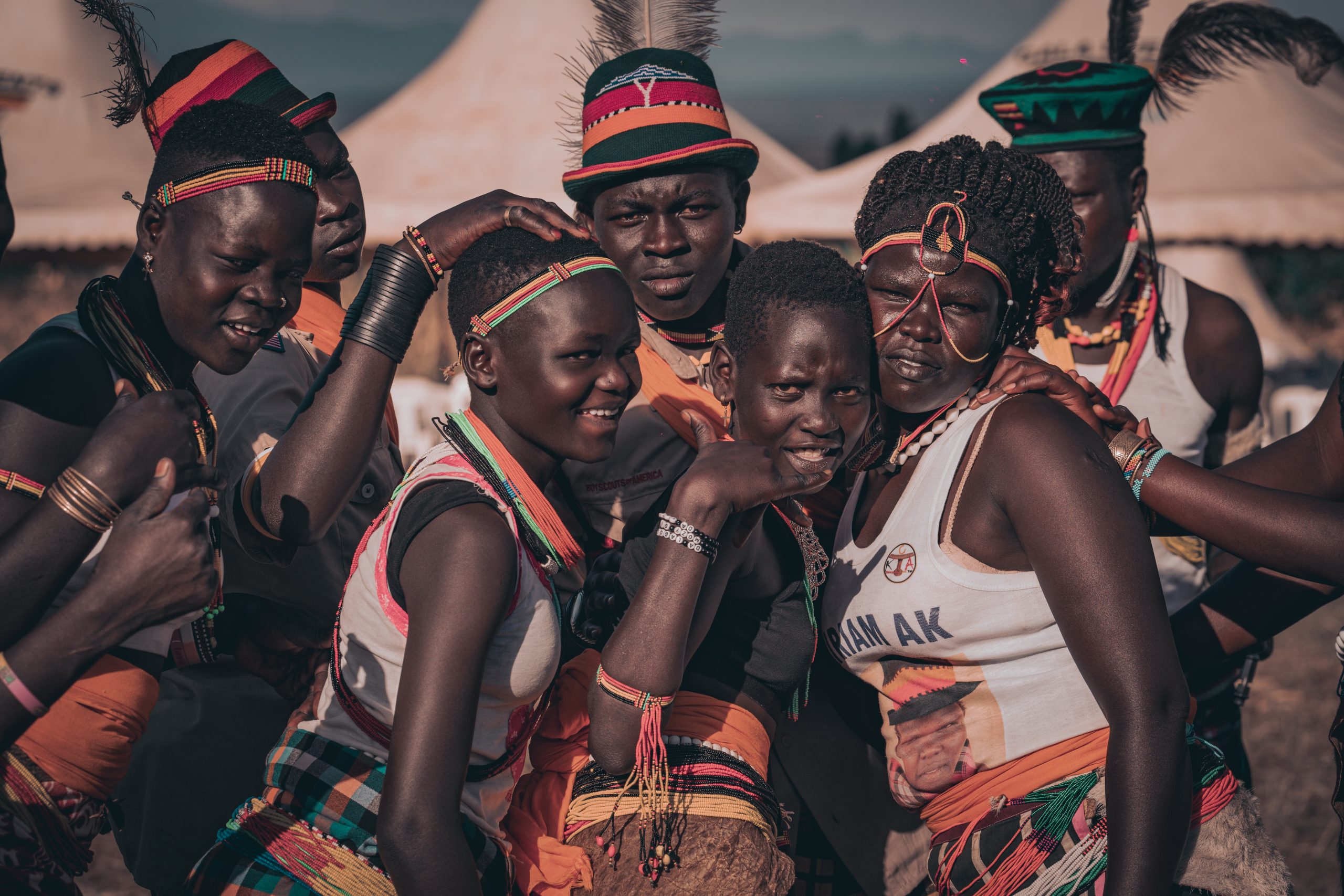
Cultural Interaction Safaris Uganda offer travelers an extraordinary opportunity to experience the country’s rich traditions, vibrant communities, and living heritage alongside its famous wildlife attractions. While Uganda is internationally known for gorilla trekking, chimpanzee tracking, and classic game drives, its cultural diversity creates equally rewarding travel experiences that leave lasting impressions.
Uganda is home to more than fifty ethnic communities, each contributing unique customs, languages, music, dances, cuisines, and traditional lifestyles to the country’s cultural landscape. As a result, Cultural Interaction Safaris Uganda have become increasingly popular among travelers seeking meaningful experiences that go beyond conventional sightseeing.
At Ababa Uganda Safaris, we believe that understanding Uganda’s people is just as important as exploring its national parks. Consequently, our cultural safaris are carefully designed to create genuine connections between visitors and local communities while supporting sustainable tourism development.
Understanding Cultural Interaction Safaris Uganda
Cultural Interaction Safaris Uganda focus on immersive experiences that allow travelers to engage directly with local communities, participate in traditional activities, and learn about cultural practices that have been preserved for generations.
Unlike standard sightseeing tours, cultural interaction experiences encourage active participation. Visitors may learn traditional cooking techniques, join community celebrations, observe local craftsmanship, listen to oral histories, participate in storytelling sessions, and explore historical sites that reveal the evolution of Uganda’s diverse societies.
Furthermore, these experiences provide deeper insights into how culture shapes daily life throughout different regions of the country. Travelers gain a greater appreciation of Uganda’s diversity while communities benefit economically through responsible tourism initiatives.
Why Cultural Interaction Safaris Uganda Are Growing Rapidly
Global travel trends increasingly show that modern travelers seek authentic experiences rather than passive observation. Consequently, Cultural Interaction Safaris Uganda have gained significant popularity among visitors from Europe, North America, Asia, and other African countries.
Travelers today want meaningful interactions that create emotional connections with destinations. They seek opportunities to understand local perspectives, learn traditional skills, and experience daily life through the eyes of local communities.
Moreover, cultural tourism supports sustainable travel practices because tourism revenue directly benefits communities. As a result, visitors contribute to cultural preservation while enjoying richer and more rewarding travel experiences.
Uganda’s remarkable cultural diversity makes the country particularly attractive for this type of tourism. Few destinations in Africa offer such a wide variety of cultural experiences within relatively short travel distances.
Cultural Diversity Behind Cultural Interaction Safaris Uganda
One of the greatest strengths of Cultural Interaction Safaris Uganda is the country’s exceptional cultural diversity.
The Buganda Kingdom in central Uganda preserves centuries-old royal traditions and remains one of Africa’s most influential traditional monarchies. Meanwhile, western Uganda showcases pastoral lifestyles deeply connected to cattle keeping and agricultural heritage.
Eastern Uganda features communities renowned for farming traditions, music, dance, and craftsmanship. Northern Uganda presents powerful stories of resilience, community rebuilding, and cultural preservation. Additionally, the Karamoja region offers some of East Africa’s most authentic pastoral experiences.
Because each region maintains distinct customs and traditions, travelers encounter dramatically different cultural experiences throughout a single journey.
Cultural Villages in Cultural Interaction Safaris Uganda
Cultural villages have become important components of Cultural Interaction Safaris Uganda because they provide structured opportunities for meaningful engagement.
Visitors often participate in cooking demonstrations, traditional farming activities, craft-making workshops, storytelling sessions, and cultural performances. These experiences allow travelers to learn directly from community members while supporting local livelihoods.
Many cultural villages have successfully balanced tourism development with cultural preservation. Consequently, they serve as living cultural centers where traditions remain active rather than becoming museum exhibits.
The experience often begins with a warm welcome featuring music and dance. Thereafter, visitors are introduced to various aspects of local life, including family structures, agricultural practices, traditional architecture, and community values.
Traditional Kingdoms Featured in Cultural Interaction Safaris Uganda
Traditional kingdoms remain central to understanding Cultural Interaction Safaris Uganda.
The Buganda Kingdom continues to influence cultural identity throughout central Uganda. Visitors interested in royal heritage can explore historical sites, learn about clan systems, and understand the role traditional institutions play in modern society.
Similarly, the kingdoms of Bunyoro, Tooro, and Busoga contribute significantly to Uganda’s cultural richness. Each kingdom preserves unique traditions, ceremonies, and historical narratives that help explain the country’s evolution over centuries.
These institutions provide valuable insights into governance, social organization, and cultural continuity across generations.
Music and Dance Experiences During Cultural Interaction Safaris Uganda

Music and dance are fundamental elements of Cultural Interaction Safaris Uganda.
Across the country, traditional performances serve as expressions of identity, celebration, education, and historical memory. Different communities maintain distinctive musical styles, instruments, and performance techniques.
Storytelling remains equally important. For generations, oral traditions have preserved community histories, moral teachings, and cultural knowledge. Visitors often find storytelling sessions among the most memorable aspects of their cultural journeys.
Furthermore, participation in music and dance activities creates opportunities for genuine cultural exchange, allowing travelers to engage actively rather than merely observe.
Traditional Food Experiences During Cultural Interaction Safaris Uganda

Cuisine offers another powerful way to understand culture.
Throughout Cultural Interaction Safaris Uganda, visitors frequently participate in food preparation and tasting experiences. Traditional dishes reveal agricultural practices, historical influences, and regional differences that shape local identities.
Meals often feature ingredients grown locally, demonstrating strong connections between culture, environment, and community life.
Cooking sessions allow travelers to learn traditional techniques while interacting directly with local families. Consequently, food experiences often become highlights of cultural safaris because they combine learning, participation, and hospitality.
Community-Based Tourism and Sustainable Development
One reason Cultural Interaction Safaris Uganda continue to grow is their positive impact on local communities.
Community-based tourism generates employment opportunities, supports small businesses, and creates incentives for cultural preservation. Revenue earned through tourism often contributes to education, healthcare, infrastructure improvements, and community development projects.
Furthermore, cultural tourism encourages younger generations to value and preserve traditions that might otherwise disappear under modernization pressures.
When managed responsibly, tourism becomes a powerful tool for sustainable development while protecting cultural heritage for future generations.
Responsible Travel During Cultural Safaris
Respectful engagement is essential during Cultural Interaction Safaris Uganda.
Travelers should approach cultural experiences with curiosity, humility, and openness. Understanding local customs and respecting community guidelines enhances both visitor experiences and community relationships.
Responsible cultural tourism emphasizes mutual learning rather than observation alone. Visitors gain valuable knowledge while communities share their heritage on their own terms.
This balanced approach strengthens cultural preservation and ensures tourism remains beneficial for all stakeholders involved.
Combining Wildlife and Cultural Experiences
One of Uganda’s greatest tourism advantages is the ability to combine wildlife encounters with cultural experiences.
Travelers can enjoy gorilla trekking, chimpanzee tracking, and game drives while also participating in Cultural Interaction Safaris Uganda. This combination creates a more comprehensive understanding of the country.
Wildlife experiences showcase Uganda’s natural heritage, while cultural experiences reveal the human stories that shape the destination. Together, they create richer and more meaningful journeys.
As a result, many travelers choose itineraries that integrate both elements.
Sample 7-Day Cultural Interaction Safaris Uganda Itinerary
A well-designed cultural safari allows visitors to explore multiple regions and traditions.
The journey often begins in Kampala with an introduction to Uganda’s cultural diversity. Subsequent days may include visits to cultural villages, kingdom heritage sites, community projects, traditional performance centers, and rural homesteads.
Travelers participate in cooking activities, storytelling sessions, craft workshops, and agricultural experiences while learning directly from community members.
The itinerary concludes with reflections on cultural lessons learned throughout the journey and a deeper appreciation of Uganda’s extraordinary diversity.
Cost of Cultural Interaction Safaris Uganda
The cost of Cultural Interaction Safaris Uganda varies according to travel style, accommodation preferences, and itinerary complexity.
| Safari Category | Estimated Cost Per Day (USD) |
|---|---|
| Budget | $100 – $180 |
| Mid-range | $180 – $350 |
| Luxury | $350 – $800+ |
Most packages include transportation, accommodation, guiding services, selected cultural activities, and meals according to itinerary specifications.
Why Choose Ababa Uganda Safaris
Ababa Uganda Safaris specializes in creating authentic cultural journeys that connect travelers with Uganda’s people, traditions, and heritage.
Our team works closely with local communities to ensure experiences remain authentic, respectful, and beneficial to host communities. Furthermore, our guides possess extensive cultural knowledge that enriches every journey.
We prioritize responsible tourism practices while delivering memorable travel experiences tailored to individual interests and expectations.
Consequently, travelers enjoy deeper cultural understanding while supporting sustainable community development.
Conclusion
Cultural Interaction Safaris Uganda provide an extraordinary opportunity to discover a side of Uganda that many visitors overlook. Beyond wildlife encounters and scenic landscapes lies a rich cultural tapestry woven from centuries of tradition, community values, artistic expression, and historical heritage.
Moreover, these experiences create meaningful connections between travelers and local communities while contributing to cultural preservation and sustainable development. From traditional kingdoms and cultural villages to storytelling sessions and culinary experiences, every encounter reveals new dimensions of Uganda’s identity.
Most importantly, Cultural Interaction Safaris Uganda transform travel from simple observation into genuine participation. At Ababa Uganda Safaris, we invite you to experience Uganda through its people, traditions, and living heritage. Join us for a journey that goes beyond sightseeing and creates memories that last a lifetime.
Frequently Asked Questions (FAQs)
What are Cultural Interaction Safaris Uganda?
They are immersive travel experiences focused on engaging with local communities, traditions, and cultural heritage.
Can cultural safaris be combined with wildlife safaris?
Yes, many itineraries combine cultural experiences with gorilla trekking, wildlife viewing, and nature activities.
Are cultural experiences suitable for families?
Yes, cultural activities are family-friendly and suitable for travelers of all ages.
What communities can visitors interact with?
Visitors may engage with communities from different regions, including Buganda, Busoga, Ankole, Karamoja, and others.
Are cultural villages authentic?
Many cultural villages are community-led initiatives that preserve and showcase living traditions.
What should I wear during cultural visits?
Modest, comfortable clothing is recommended.
Can I participate in traditional activities?
Yes, many experiences encourage active participation.
Is photography allowed?
Photography is generally permitted, although visitors should always ask for permission when appropriate.
What foods can I try during cultural safaris?
Traditional dishes vary by region and often include locally grown ingredients.
How long should a cultural safari last?
Most travelers benefit from itineraries lasting between five and ten days.
Are guides provided?
Yes, professional guides accompany most cultural safaris.
What is the best time to visit Uganda?
Uganda can be visited year-round, although dry seasons are often preferred.
Do cultural safaris support local communities?
Yes, tourism revenue often contributes directly to community development.
Can tours be customized?
Yes, itineraries can be tailored to individual interests.
Why Choose Ababa Uganda Safaris?
Because we provide authentic, responsible, and expertly guided cultural experiences throughout Uganda.


