
A deep cultural safari experience Uganda offers far more than a traditional holiday. While Uganda is internationally celebrated for mountain gorillas, abundant wildlife, and spectacular scenery, many travelers discover that the country’s most memorable attraction is its people. Beyond the national parks and safari vehicles lies a rich cultural landscape shaped by centuries of tradition, community values, indigenous knowledge, and vibrant heritage.
Furthermore, today, travelers are increasingly seeking authentic experiences that connect them to local communities and provide a deeper understanding of a destination. A deep cultural safari experience Uganda fulfills this desire by creating opportunities to interact with local families, learn traditional skills, explore historical kingdoms, enjoy indigenous cuisine, and participate in cultural activities that reveal the true character of the country.
In addition, Uganda’s cultural richness is remarkable.With more than fifty ethnic groups spread across diverse geographical regions, every journey introduces visitors to unique customs, languages, ceremonies, music, dance, and ways of life. Consequently, cultural tourism has become one of the most rewarding and fastest-growing sectors of Uganda’s tourism industry.
As a result, travelers who want more than sightseeing often find that a deep cultural safari experience Uganda provides a meaningful journey into the heart of Africa.
Why a Cultural Safari Uganda Is Transforming Travel
Modern tourism has evolved significantly. While wildlife remains a major attraction, many travelers now seek deeper connections with the places they visit. They want experiences that educate, inspire, and create lasting memories.
A deep cultural safari experience Uganda responds perfectly to this trend. Instead of simply observing local culture, visitors become active participants. They can join cooking sessions, learn traditional farming practices, attend community gatherings, observe artisan craftsmanship, and listen to stories passed down through generations.
Furthermore, cultural tourism contributes directly to local development. Community-based tourism initiatives create employment opportunities, generate income, and encourage cultural preservation. Therefore, visitors not only enjoy enriching experiences but also support sustainable livelihoods.
As a result, cultural safaris have become an essential part of Uganda’s tourism offering.
Cultural Safari Uganda and Cultural Diversity
One of the greatest strengths of a deep cultural safari experience Uganda is the country’s exceptional cultural diversity.
Uganda is often described as a cultural crossroads because numerous ethnic groups have lived, traded, and interacted within its borders for centuries. Each community has developed unique traditions, social structures, artistic expressions, and belief systems.
Moreover, the Baganda of Central Uganda maintain one of Africa’s most influential traditional kingdoms. Their rich history, clan system, and cultural institutions continue to shape national identity. In Western Uganda, the Banyankole preserve pastoral traditions closely connected to the famous Ankole long-horned cattle. Meanwhile, the Bagisu of Eastern Uganda maintain important cultural ceremonies that remain central to community life.
Likewise, Northern Uganda introduces visitors to Acholi culture, renowned for storytelling, music, dance, and resilience.Additionally, the Karamoja region presents one of East Africa’s most distinctive cultural landscapes, where pastoral traditions continue to thrive despite changing times.
Consequently, this remarkable diversity ensures that every cultural journey offers new discoveries and perspectives.
Best Cultural Experiences in Uganda by Region
Central Uganda

Central Uganda serves as the cultural heartland of the Buganda Kingdom. Visitors can explore royal heritage sites, traditional institutions, cultural centers, and historical landmarks that reveal centuries of kingdom history.
Western Uganda

Western Uganda is famous for its cattle culture, pastoral traditions, and community tourism experiences. Travelers gain insight into rural lifestyles while learning about the cultural importance of Ankole cattle and traditional homesteads.
Eastern Uganda
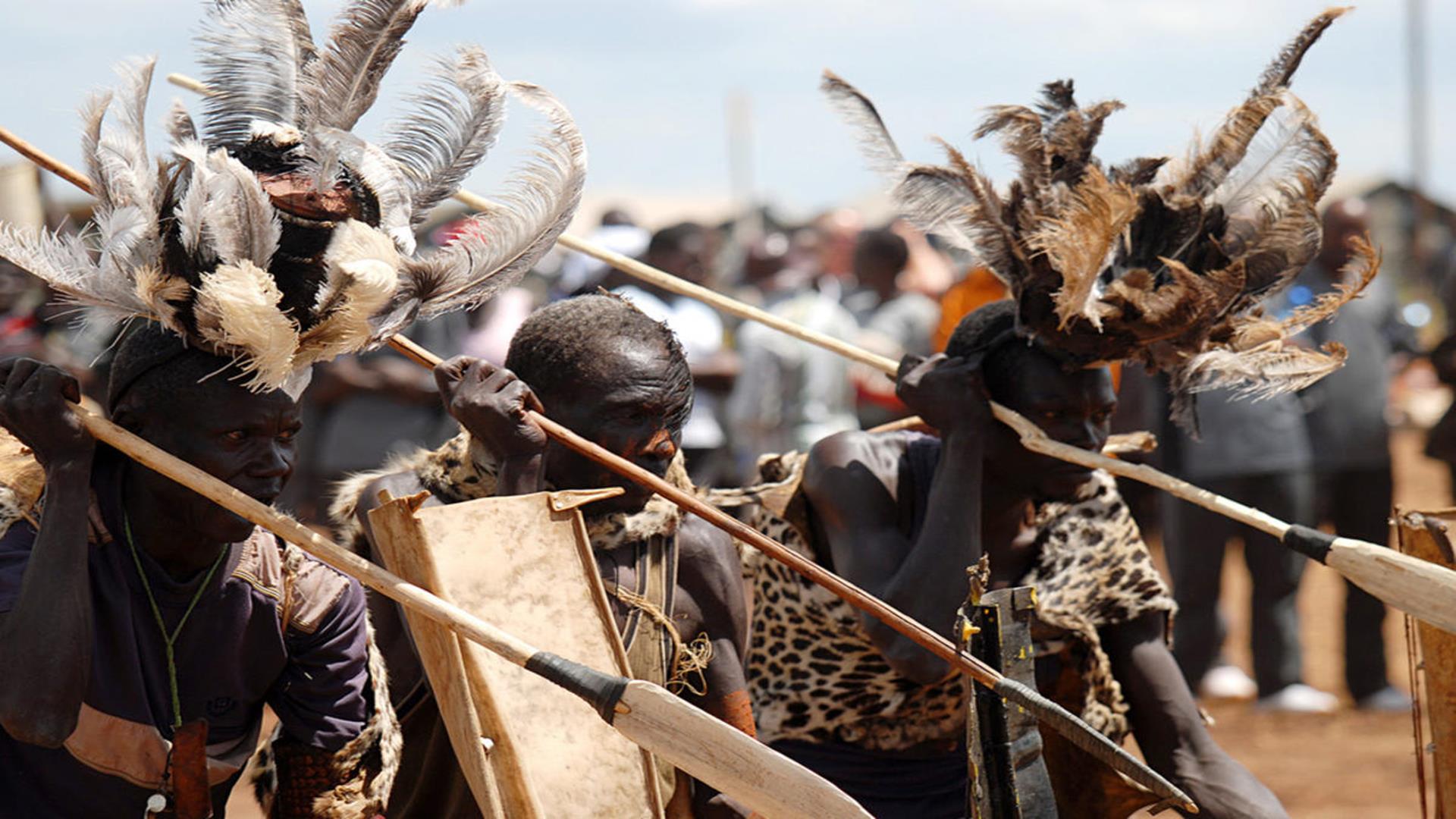
Eastern Uganda offers opportunities to explore agricultural communities, traditional ceremonies, and indigenous customs that continue to influence everyday life.
Northern Uganda
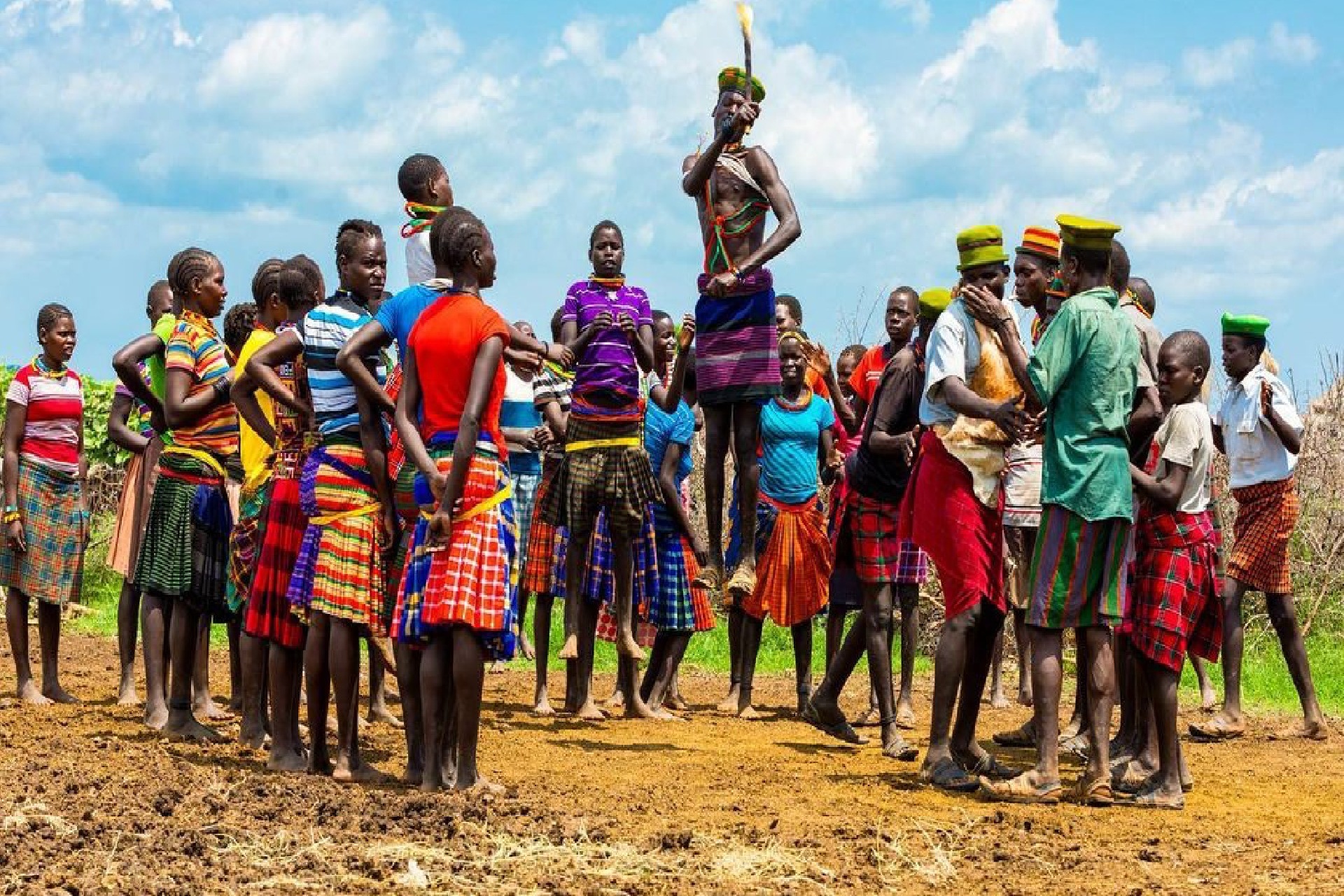
Northern Uganda showcases powerful cultural traditions centered around music, dance, storytelling, and communal values. Visitors often leave with a deeper appreciation of the region’s cultural resilience.
Karamoja
Karamoja offers one of Uganda’s most unique cultural experiences. Here, visitors encounter communities that maintain strong pastoral traditions and indigenous knowledge systems passed down through generations.
A Firsthand-Style Cultural Experience Travelers Often Remember
Many travelers who embark on a deep cultural safari experience Uganda discover that their most memorable moments occur outside traditional tourist attractions.
Imagine arriving in a rural village after spending several days exploring Uganda’s wildlife. Instead of observing from a distance, you are welcomed into a family compound where daily life unfolds naturally around you. Children laugh as they play nearby, elders share stories beneath a shade tree, and the aroma of traditional cooking drifts through the air.
As conversations begin, cultural differences gradually fade. Travelers often find themselves learning local greetings, helping prepare meals, or listening to stories that reveal generations of history. These interactions create genuine human connections that cannot be replicated through guidebooks or photographs.
While every experience is unique, many visitors describe these community encounters as the highlight of their entire journey through Uganda.
Cultural Safari Uganda Kingdom Experiences
No deep cultural safari experience Uganda would be complete without exploring the country’s historic kingdoms.
Uganda’s traditional kingdoms continue to preserve centuries-old customs, governance systems, and ceremonial traditions. Visitors can explore cultural landmarks and learn how traditional leadership structures have evolved while maintaining their relevance in modern society.
Furthermore, guides frequently share fascinating stories about royal succession, diplomacy, clan systems, and historical events that shaped the region.Meanwhile, these narratives provide valuable context for understanding Uganda’s cultural identity today
Moreover, kingdom experiences help travelers appreciate the deep historical foundations upon which contemporary Ugandan society is built.
Cultural Safari Uganda Village Experiences
Community interactions remain among the most rewarding aspects of a deep cultural safari experience Uganda.
Additionally, village visits allow travelers to experience everyday life firsthand.. Guests may participate in farming activities, observe local craftsmanship, learn food preparation techniques, or simply spend time engaging with community members.
At the same time, these experiences offer valuable insights into family structures, education, livelihoods, and cultural values.” At the same time, they encourage meaningful cultural exchange between visitors and host communities.
Unlike staged tourism activities, authentic village experiences emphasize genuine interaction and mutual learning.
Cultural Safari Uganda Music and Dance Traditions
Music and storytelling play an essential role in preserving cultural identity throughout Uganda.
A deep cultural safari experience Uganda often includes performances that showcase traditional drumming, dance, songs, and oral traditions. These artistic expressions celebrate historical events, agricultural cycles, community achievements, and spiritual beliefs.
Similarly, drums hold particular significance in many communities. Historically, they served as communication tools, ceremonial instruments, and symbols of leadership. Today, they continue to occupy an important place in cultural celebrations.
Moreover, storytelling remains equally important. Through oral narratives, elders pass down knowledge, wisdom, and cultural memory from one generation to the next.
For visitors, these experiences provide a deeper understanding of the values and traditions that define Ugandan communities.
Cultural Safari Uganda Food and Culinary Experiences
Food provides one of the most accessible ways to understand culture.
During a deep cultural safari experience Uganda, travelers often participate in cooking demonstrations and traditional meals that reveal the country’s culinary diversity. These experiences introduce visitors to local ingredients, preparation methods, and dining customs.
For example, traditional dishes reflect regional identities and centuries of agricultural development. More importantly, they demonstrate the importance of hospitality within Ugandan society.
In addition, many visitors discover that sharing meals with local families becomes one of the most memorable aspects of their journey.
Traditional Spiritual Heritage and Indigenous Beliefs
A deeper understanding of Uganda’s cultural heritage requires exploring the spiritual beliefs that have influenced communities for generations.
Before the arrival of major world religions, indigenous belief systems guided social relationships, environmental stewardship, leadership, and cultural practices. Many traditional beliefs continue to coexist alongside Christianity and Islam today.
Sacred sites, ancestral traditions, ceremonial practices, and indigenous knowledge systems remain important aspects of cultural identity throughout the country.
Visitors who explore these dimensions gain valuable insights into the relationship between spirituality, community, and nature.
Uganda’s Cultural Festivals and Celebrations
Festivals offer some of the most exciting opportunities to experience living culture during a deep cultural safari experience Uganda.
Throughout the year, communities organize celebrations that showcase traditional music, dance, attire, cuisine, and cultural pride. These events bring together different generations while preserving important traditions.
Consequently, festivals provide exceptional opportunities for travelers to witness culture in its most vibrant form.Therefore, the energy, participation, and atmosphere create unforgettable experiences that deepen appreciation for Uganda’s diverse heritage.
Cultural Safari Uganda Near Gorilla Trekking Regions
Many travelers choose to combine gorilla trekking with cultural tourism.
Communities living near Uganda’s gorilla habitats offer unique cultural experiences that complement wildlife adventures. Visitors learn about traditional relationships with forest ecosystems, local conservation efforts, and community livelihoods.
These experiences demonstrate how culture and conservation intersect. They also help travelers understand the human stories behind successful wildlife protection initiatives.
As a result, combining gorilla trekking with cultural experiences creates a more comprehensive understanding of Uganda.
Cultural Safari Uganda Crafts and Artisan Heritage
Traditional craftsmanship remains one of the most visible expressions of Uganda’s cultural identity. Throughout the country, artisans continue to produce handcrafted items using techniques that have been passed down through generations.
A deep cultural safari experience Uganda often includes visits to artisan workshops where travelers can observe basket weaving, pottery making, bark cloth production, wood carving, beadwork, and textile creation. These crafts are more than decorative products. They represent stories, traditions, beliefs, and cultural values that have survived for centuries.
Visitors frequently gain a deeper appreciation for the skill and patience involved in producing handmade items. Moreover, purchasing locally made crafts directly supports artisans and contributes to cultural preservation efforts within communities.
Cultural Safari Uganda Community Tourism Success Stories
One of the strongest reasons to choose a deep cultural safari experience Uganda is the positive impact it creates for local communities.
Across the country, community-based tourism projects have transformed lives by generating income, preserving traditions, and creating employment opportunities. Many villages have established cultural centers, performance groups, craft cooperatives, and homestead experiences that allow visitors to engage directly with local culture.
Women-led initiatives have become particularly successful. Through tourism, many women have gained opportunities to develop businesses, support their families, and preserve traditional skills. Similarly, young people have found employment as guides, performers, artisans, and cultural interpreters.
These success stories demonstrate how tourism can become a powerful tool for both economic development and cultural conservation.
How Cultural Tourism Benefits Local Communities in Uganda
The benefits of a deep cultural safari experience Uganda extend well beyond the tourism sector.
As a result, tourism revenue often supports education programs, healthcare services, infrastructure improvements, and community development projects.Additionally, cultural tourism encourages communities to maintain traditions that might otherwise disappear in the face of modernization.
Furthermore, many villages use tourism income to support schools, preserve heritage sites, and fund cultural education initiatives for younger generations. Consequently, visitors play a direct role in helping communities sustain their cultural identities while improving livelihoods.
Furthermore, cultural tourism promotes pride in local heritage. Communities increasingly recognize the value of their traditions and invest in preserving them for future generations.
Cultural Conservation and Heritage Preservation
As the world becomes increasingly interconnected, preserving cultural heritage has become more important than ever.
A deep cultural safari experience Uganda contributes directly to conservation efforts by creating economic incentives for maintaining traditions, languages, ceremonies, and historical sites. Community tourism projects often invest in cultural documentation, heritage centers, and educational programs designed to safeguard indigenous knowledge.
Moreover, many elders and cultural custodians actively participate in tourism activities because they see them as opportunities to pass important knowledge to younger generations. In this way, tourism helps ensure that cultural traditions remain living practices rather than historical memories.
Ultimately, the preservation of culture benefits both local communities and future travelers seeking authentic experiences.
Sustainable Cultural Safari Uganda Tourism
Sustainability has become a major priority within global tourism. Travelers increasingly seek experiences that create positive impacts while minimizing harm.
A deep cultural safari experience Uganda aligns naturally with these goals.Therefore, community-based tourism encourages responsible travel by ensuring that local people receive direct benefits from visitor spending. At the same time, it promotes cultural preservation and supports long-term economic development.
Consequently, regenerative tourism goes even further by seeking to improve destinations rather than simply protect them.. Many cultural tourism initiatives contribute to education, environmental conservation, youth development, and heritage preservation.
As a result, travelers can feel confident that their journeys contribute positively to the communities they visit.
Responsible Cultural Tourism in Uganda
Respect is the foundation of successful cultural tourism.
Visitors participating in a deep cultural safari experience Uganda should approach communities with openness, curiosity, and cultural sensitivity. Simple actions such as requesting permission before taking photographs, dressing respectfully, listening attentively, and supporting local enterprises can significantly enhance cultural exchanges.
Responsible tourism ensures that cultural experiences remain authentic while helping communities maintain control over how their traditions are shared with visitors.
By practicing respectful travel, visitors contribute to positive relationships between tourism operators, local communities, and future travelers.
Why Local Expertise Matters
Authentic cultural experiences depend heavily on knowledgeable local guides and cultural custodians.
During a deep cultural safari experience Uganda, experienced guides help travelers understand the historical significance of traditions, explain cultural protocols, and facilitate meaningful interactions. Their knowledge transforms ordinary visits into educational and memorable experiences.
Local experts also provide valuable context that is often unavailable in guidebooks. Through personal stories and firsthand insights, they help visitors understand the complexities and richness of Ugandan culture.
This expertise strengthens the overall quality of cultural tourism while enhancing visitor satisfaction.
Uganda Cultural Safari Itineraries for Every Traveler
One of the greatest advantages of a deep cultural safari experience Uganda is its flexibility.
Short cultural tours may focus on specific regions, cultural centers, and community experiences. Longer journeys allow travelers to explore multiple cultural landscapes, interact with diverse communities, and combine cultural activities with wildlife adventures.
Whether travelers have three days or two weeks, customized itineraries can be designed to match their interests, schedules, and budgets.
This flexibility makes cultural tourism accessible to a wide range of visitors seeking authentic experiences.
Sample 7-Day Deep Cultural Safari Experience Uganda Itinerary
A seven-day itinerary provides an ideal balance between cultural immersion and comfortable travel.
Day 1: Arrival and Cultural Introduction
First, arrive in Uganda and receive an introduction to the country’s cultural diversity. Depending on arrival time, visitors may explore local cultural sites and heritage centers.
Day 2: Kingdom Heritage Experience
Next, spend the day learning about traditional kingdoms and royal heritage, clan systems, and cultural institutions that continue to influence Ugandan society.
Day 3: Community and Village Encounters
Afterwards, visit rural communities and participate in everyday cultural activities that provide insights into traditional lifestyles.
Day 4: Music, Dance, and Storytelling
Meanwhile, experience traditional music, dance, and storytelling performances
Day 5: Western Uganda Cultural Experience
Explore pastoral communities and learn about the significance of Ankole cattle, traditional homesteads, and regional customs.
Day 6: Artisan Workshops and Conservation Projects
Visit local artisans, community tourism initiatives, and cultural conservation programs that help preserve heritage.
Day 7: Reflection and Departure
Finally, enjoy final cultural interactions before departure, reflecting on the meaningful experiences and connections made throughout the journey.
A Firsthand-Style Experience That Defines Cultural Travel
Travelers often return from a deep cultural safari experience Uganda with stories that have little to do with famous attractions and everything to do with people.
Many describe sitting beside community elders as they share stories of the past, listening to traditional songs performed around a gathering place, or learning how local families prepare meals using recipes passed down through generations. Others recall walking through villages where children greet visitors with genuine curiosity and warmth.
These moments create connections that transcend cultural differences. They transform travel from observation into participation and often become the memories that travelers treasure most long after returning home.
Experiences like these demonstrate why cultural tourism continues to grow among travelers seeking authenticity and meaningful human connections.
Cultural Safari Uganda Costs
The cost of a cultural safari varies depending on accommodation standards, transportation, itinerary length, and included activities.
| Safari Category | Estimated Cost Per Person |
|---|---|
| Budget Cultural Safari | USD 100–180 per day |
| Mid-Range Cultural Safari | USD 180–350 per day |
| Luxury Cultural Safari | USD 350–800+ per day |
These estimates generally include accommodation, transportation, guiding services, meals, and selected cultural activities depending on the package.
Cultural Safari Uganda vs Wildlife Safari
Both cultural and wildlife safaris offer exceptional experiences, yet they focus on different aspects of Uganda
Wildlife safaris emphasize animals, ecosystems, and conservation. Cultural safaris, on the other hand, focus on people, traditions, heritage, and community life.
Many visitors choose to combine both experiences because they complem
ent each other perfectly. Wildlife adventures reveal Uganda’s natural wonders, while cultural tourism provides deeper insights into the people who call these landscapes home.
Together, they create a more complete understanding of the country.
Deep Cultural Safari Experience Uganda Compared to Other East African Destinations
East Africa offers outstanding tourism opportunities, yet Uganda occupies a unique position within the region.
While neighboring countries are known for specific wildlife attractions, Uganda combines exceptional cultural diversity with world-cl
ass wildlife experiences. Visitors can encounter multiple ethnic groups, explore diverse cultural traditions, and enjoy authentic community interactions within relatively short travel distances.
This combination gives Uganda a significant advantage for travelers seeking immersive cultural journeys.
Best Time for a Cultural Safari Uganda
A deep cultural safari experience Uganda can be enjoyed throughout the year.
Many travelers prefer the dry seasons between June and September and December to February because road conditions are
generally more favorable. However, cultural activities occur year-round, making any season suitable for cultural exploration.
Visitors interested in specific festivals or ceremonies may wish to schedule their trips around particular cultural events.
Why Choose a Cultural Safari Uganda
Several factors distinguish Uganda as one of Africa’s leading cultural tourism destinations.
The country’s exceptional ethnic diversity, living traditions, welcoming communities, and strong cultural institutions create an unparalleled environment for authentic travel experiences. Unlike destinations where cultural activities may feel staged, many Ugandan traditions remain active components of everyday life.
This authenticity allows visitors to experience culture as it is genuinely lived and celebrated.
Why Choose Our Deep Cultural Safari Experience Uganda
Our cultural safaris are designed to provide authentic, responsible, and immersive experiences that connect travelers directly with local communities. We collaborate with experienced local guides, cultural custodians, and community tourism initiatives to ensure meaningful interactions and genuine cultural exchange.
Every itinerary can be customized according to your interes
<p>ts, schedule, and budget. Whether you are interested in kingdom heritage, village life, traditional cuisine, cultural festivals, artisan workshops, or community conservation, we create journeys that reveal the true spirit of Uganda.
Conclusion
A deep cultural safari experience Uganda offers far more than a conventional holiday. It opens the door to authentic encounters with people, traditions, stories, and values that have shaped one of Africa’s most culturally diverse nations.
Through community visits, cultural performances, artisan experiences, traditional cuisine, historical heritage, and meaningful interactions, travelers gain a deeper understanding of Uganda’s identity and cultural richness. While wildlife remains an important attraction, cultural tourism reveals the human stories that make the country truly unforgettable.
For travelers seeking meaningful experiences, personal connections, and authentic cultural immersion, there is no better way to explore the Pearl of Africa.
Plan Your Deep Cultural Safari Experience Uganda Today with Ababa Uganda Safaris
Ready to discover the authentic heart of Uganda? Contact Ababa Uganda Safari today and let us design a personalized journey that connects you with local communities, rich traditions, and unforgettable cultural experiences across the Pearl of Africa.
Frequently Asked Questions
What is a deep cultural safari experience Uganda?
It is a travel experience focused on authentic interactions with local communities, cultural traditions, heritage sites, and everyday life.
How many ethnic groups are found in Uganda?
Uganda is home to more than fifty ethnic groups, each with unique traditions, languages, and cult
ural practices.
Can cultural safaris be combined with gorilla trekking?
Yes. Many travelers combine cultural experiences with gorilla trekking and wildlife safaris for a more comprehensive itinerary.
Are cultural safaris suitable for families?
Yes. Cultural activities are educational, interactive, and suitable for travelers of all ages.
How long should a cultural safari last?
A cultural safari can range from a few days to several weeks depending on traveler interests and available time.
What should I wear during community visits?
Modest and respectful clothing is recommended when visiting loc
al communities.
Is photography allowed during cultura
l experiences?
Photography is usually allowed, although visitors should always ask permission before taking pho
tographs of people.
What is the best time to visit Uganda for cultural tourism?
Cultural tourism is available year-round, although dry seasons are often preferred
for easier travel.
Do cultural safaris support local communities?
Yes. Tourism revenue directly benefits communities through employment, cultural preservation, and development projects.
Are cultural experiences authentic?
Many experiences involve genuine interactions with local communities and living cultural traditions.
Can solo travelers join cultural safaris?
Yes. Solo travelers often find cultural tours particularly rewarding and engaging.
Are local guides included?
Most cultural safaris include knowledgeable local guides who provide cultural interpretation and insights.
What cultural activities can visitors expect?
Activities may include village visits, cultural performances, cooking demonstrations, storytelling sessions, and artisan workshops.
Are cultural festivals included in safari itineraries?
Some itineraries can be scheduled to coincide with cultural festivals and celebrations.
Can cultural tours be customized?
Yes. Most cultural safaris can be tailored to match traveler interests, budgets, and schedules.
What makes Uganda unique for cultural tourism?
Uganda combines extraordinary cultural diversity, authentic traditions, welcoming communities, and world-class wildlife attractions.
Is cultural tourism sustainable?
Yes. Community-based cultural tourism supports conservation, heritage preservation, and local economic development.
Why choose a deep cultural safari experience Uganda?
It offers meaningful human connections, authentic cultural immersion, and a deeper understanding of Uganda beyond traditional tourism attractions.


