
East Africa Gorilla Permit Guide
This complete East Africa Gorilla Permit Guide explains everything travelers need to know about gorilla trekking permits in Uganda, Rwanda, and the Democratic Republic of Congo in 2026. Gorilla trekking remains one of the most extraordinary wildlife experiences in the world, yet planning the trip correctly requires much more than simply buying a permit.
Today, East Africa protects the last remaining populations of endangered mountain gorillas through tightly controlled conservation tourism. Uganda, Rwanda, and Congo each operate different permit systems, pricing structures, trekking environments, and tourism models. As global demand for gorilla trekking continues increasing in 2026, travelers increasingly search for accurate, updated, and trustworthy information before booking their safaris.
This East Africa Gorilla Permit Guide covers all of those questions in detail while helping travelers compare Uganda, Rwanda, and Congo based on budget, safety, accessibility, conservation value, trekking experience, and overall safari quality.
What Is a Gorilla Permit?
A gorilla permit is an official document issued by wildlife authorities that allows visitors to track and spend one hour with a habituated mountain gorilla family inside protected national parks.
Without a valid permit, no visitor can participate in gorilla trekking activities anywhere in East Africa.
Wildlife authorities strictly control permit numbers because mountain gorillas remain endangered and highly vulnerable to stress and disease transmission. Only a limited number of visitors may visit each gorilla family every day.
Permit revenue directly funds:
- anti-poaching patrols
- ranger salaries
- veterinary programs
- gorilla monitoring
- rainforest conservation
- local community projects
As a result, gorilla tourism has become one of Africa’s most successful conservation models.
Gorilla Permit Prices in East Africa for 2026
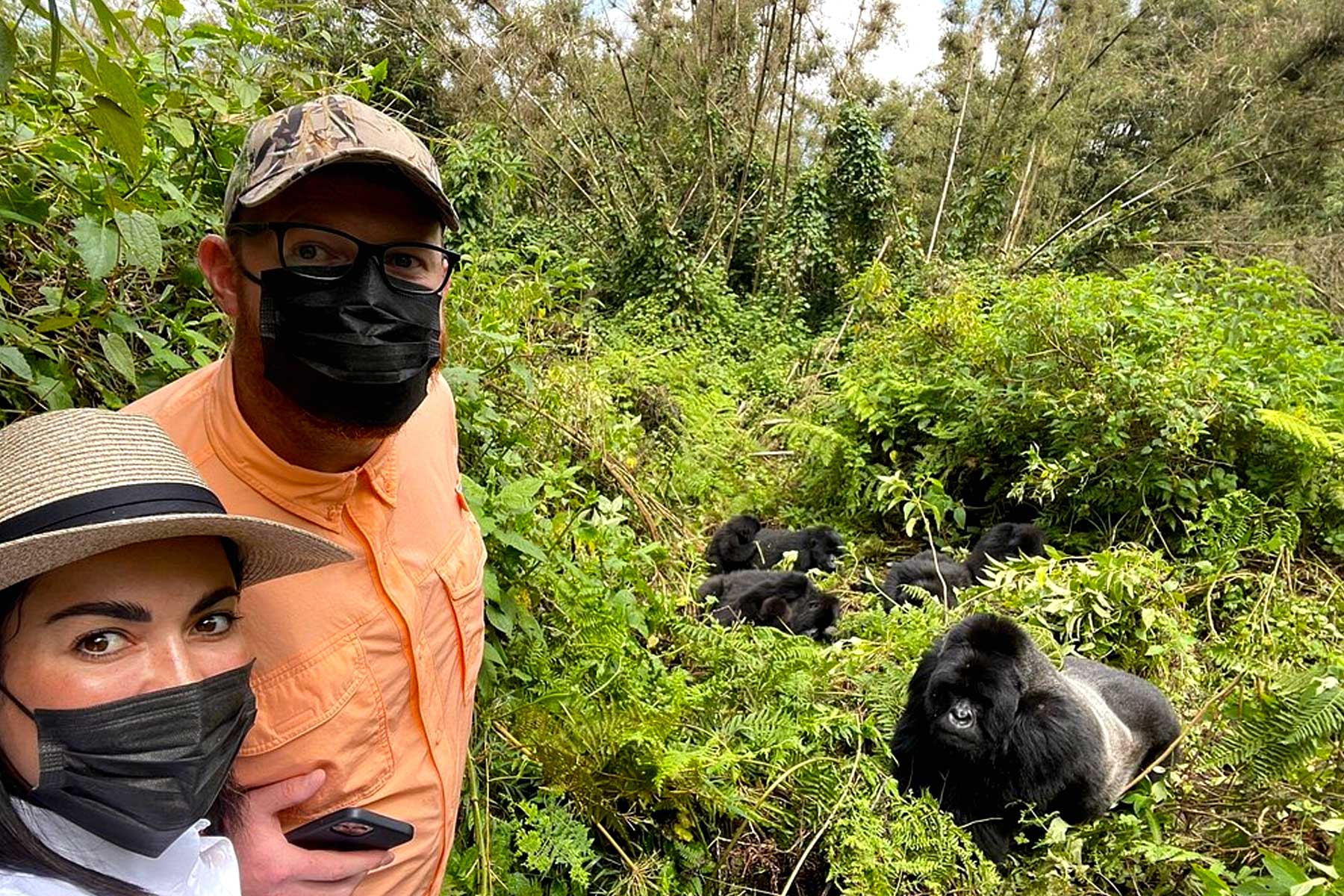
Permit prices vary significantly across East Africa. Uganda continues offering the best balance between affordability and safari value, while Rwanda positions itself as a luxury premium destination. Congo occasionally offers the lowest direct permit prices but continues facing logistical and security concerns in some regions.
The table below compares updated gorilla permit prices in East Africa for 2026.
| Destination | Gorilla Permit Price | Main Trekking Park | Tourism Style | Best For |
|---|---|---|---|---|
| Uganda | USD 800 | Bwindi & Mgahinga | Budget to luxury | Best overall value |
| Rwanda | USD 1,500 | Volcanoes National Park | Luxury tourism | High-end travelers |
| Congo | Around USD 400–500 | Virunga National Park | Adventure travel | Budget adventure |
Uganda Wildlife Authority officially increased gorilla permit prices from USD 700 to USD 800 beginning in July 2024, with rates continuing through 2026.
Rwanda Development Board continues maintaining standard gorilla permit prices at USD 1,500 for international visitors, although seasonal discount programs occasionally appear under special tourism conditions.
Why Uganda Leads East Africa Gorilla Trekking
Uganda remains the strongest overall destination in this East Africa Gorilla Permit Guide because it balances affordability, biodiversity, adventure, and safari flexibility more effectively than competitors.
Bwindi Impenetrable National Park contains one of Africa’s oldest rainforests and supports multiple habituated gorilla families spread across several trekking sectors. Mgahinga Gorilla National Park also provides smaller but equally rewarding trekking opportunities.
Uganda attracts travelers because:
- permits cost significantly less than Rwanda
- accommodation options suit every budget
- wildlife safari combinations are excellent
- trekking feels highly immersive
- biodiversity is exceptional
Many travelers who compare Uganda and Rwanda ultimately choose Uganda because the gorilla experience itself remains equally powerful while total safari costs stay far lower. Reddit travel discussions in 2026 repeatedly highlight Uganda’s stronger value compared to Rwanda’s higher pricing.
Uganda also offers gorilla habituation experiences, allowing visitors to spend four hours with semi-habituated gorilla families instead of the standard one-hour trek. This remains one of East Africa’s most unique wildlife experiences.
Rwanda’s Luxury Gorilla Tourism Strategy

Rwanda approaches gorilla tourism differently from Uganda. Instead of focusing on affordability, Rwanda promotes premium conservation tourism built around luxury experiences and convenience.
Volcanoes National Park sits only two to three hours from Kigali International Airport, making Rwanda the easiest gorilla trekking destination to access in East Africa.
Rwanda appeals strongly to:
- luxury travelers
- honeymooners
- business travelers
- short-stay visitors
- high-end safari clients
The country offers exceptional infrastructure, luxury lodges, smoother roads, and polished tourism systems.
However, Rwanda’s higher permit fee dramatically increases total safari costs. Travelers regularly mention the steep pricing difference between Rwanda and Uganda in safari forums and travel communities.
Despite the higher cost, Rwanda still delivers one of Africa’s finest luxury wildlife experiences.
Congo Gorilla Trekking Experience
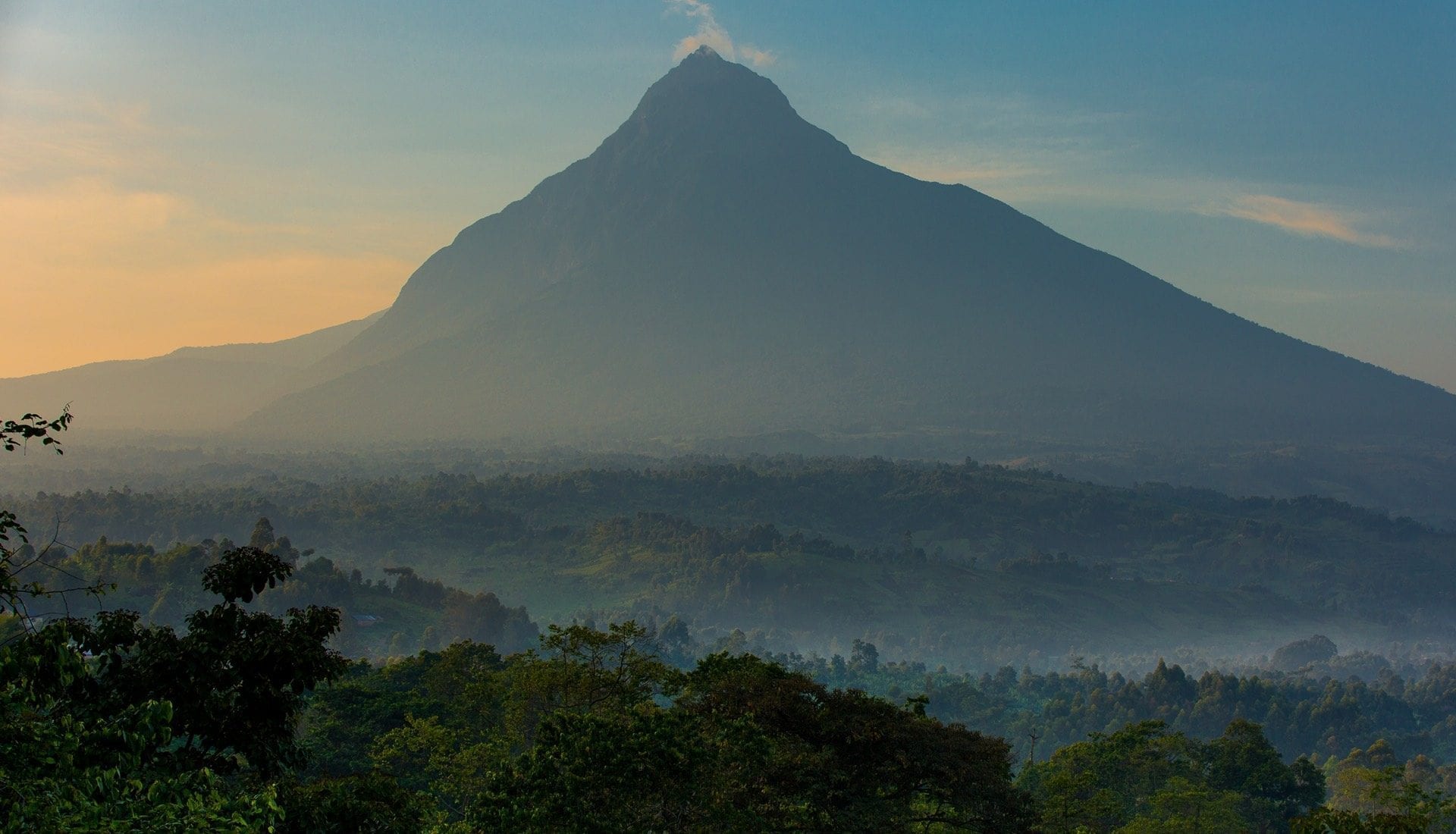
The Democratic Republic of Congo offers some of the lowest direct gorilla permit prices in Africa, particularly inside Virunga National Park.
For adventurous travelers, Congo provides remote rainforest experiences with fewer crowds and lower tourism density.
However, this East Africa Gorilla Permit Guide must also acknowledge that security conditions continue affecting tourism confidence in eastern Congo. Political instability and travel advisories often influence traveler decisions despite the lower permit prices.
Because of these concerns, most international visitors still prioritize Uganda and Rwanda for reliability, infrastructure, and operational stability.
Travelers considering Congo should always monitor updated travel advisories carefully before making safari arrangements.
How Gorilla Permit Booking Works
Booking gorilla permits in East Africa requires advance planning because permit availability remains extremely limited.
Authorities issue permits based on:
- trekking date
- gorilla family
- park sector
- visitor category
Travelers can book permits directly through wildlife authorities or through licensed safari operators.
Uganda permits are managed by Uganda Wildlife Authority. Rwanda permits are issued through Rwanda Development Board systems. Most travelers, however, prefer working with safari companies because operators coordinate:
- permits
- accommodation
- transport
- guides
- park logistics
Demand for permits continues increasing in 2026, especially during peak travel seasons. Early booking therefore remains essential.
Best Time for Gorilla Trekking in East Africa
Travel seasons play a major role in gorilla trekking experiences.
The dry seasons between June and September and December through February remain the most popular periods because trekking trails become easier to navigate.
During these months:
- rainfall decreases
- photography conditions improve
- trekking becomes less muddy
- permit demand rises sharply
However, low-season travel also offers advantages.
Rainy months such as April, May, and November often bring:
- lower accommodation rates
- fewer tourists
- greener forest scenery
- occasional permit discounts
Some Uganda low-season permit programs have reappeared in recent tariff updates.
Travelers focused on affordability often prefer low-season gorilla safaris because overall safari costs become significantly lower.
Gorilla Trekking Rules and Regulations
Strict regulations govern gorilla trekking across East Africa because mountain gorillas remain vulnerable to human diseases and environmental pressure.
Important trekking rules include:
- minimum trekking age of 15 years
- one-hour viewing limit
- maximum of eight visitors per gorilla family
- seven-meter viewing distance
- no flash photography
- no trekking when sick
These rules protect gorilla populations while maintaining sustainable tourism systems.
Rangers carefully monitor visitor behavior throughout the trekking experience. Travelers who ignore regulations may face removal from trekking activities.
Conservation experts consider these rules essential to long-term gorilla survival.
How Difficult Is Gorilla Trekking?

Physical difficulty varies depending on:
- gorilla family location
- terrain
- weather
- trekking sector
- forest conditions
Uganda generally offers more physically demanding trekking because Bwindi Forest contains steep hills and dense rainforest vegetation.
Rwanda often provides slightly easier access due to more open bamboo forests and volcanic terrain.
Treks may last from one hour to several hours depending on gorilla movements.
Despite the physical challenge, most travelers successfully complete gorilla treks with ranger assistance and porter support.
Hiring porters strongly helps many visitors navigate muddy slopes and difficult terrain while also supporting local communities economically. Travelers frequently praise porter services across Uganda gorilla safaris.
What Gorilla Permits Actually Include
Many travelers misunderstand what gorilla permits cover.
A standard gorilla permit typically includes:
- park entry
- ranger guides
- one-hour gorilla encounter
- security during trekking
- conservation contribution
Permits usually do not include:
- accommodation
- transportation
- meals
- tips
- visas
- flights
Travelers should therefore calculate total safari costs separately from permit fees.
Several Reddit discussions continue clarifying this misunderstanding among first-time travelers.
Gorilla Habituation Experience in Uganda
Uganda offers one of East Africa’s most exclusive wildlife activities through gorilla habituation experiences.
Unlike regular trekking permits, habituation permits allow visitors to spend up to four hours with gorillas undergoing the habituation process.
In 2026, habituation permits remain approximately USD 1,500 for foreign non-residents.
Wildlife photographers and documentary travelers often prefer habituation because extended viewing time creates better observation opportunities.
No other East African destination currently offers this exact experience at Uganda’s scale.
East Africa Gorilla Permit Comparison Table
The table below summarizes the overall East Africa gorilla trekking experience.
| Feature | Uganda | Rwanda | Congo |
|---|---|---|---|
| Permit Price | USD 800 | USD 1,500 | USD 400–500 |
| Accessibility | Moderate | Excellent | Variable |
| Luxury Level | Moderate to luxury | Ultra-luxury | Limited |
| Trek Difficulty | Moderate to challenging | Moderate | Moderate |
| Biodiversity | Exceptional | Strong | Strong |
| Safety Perception | Very strong | Excellent | Variable |
| Best For | Overall value | Luxury convenience | Adventure travel |
| Safari Combination Options | Extensive | Moderate | Limited |
Is Gorilla Trekking Worth the Cost?
For most travelers, gorilla trekking becomes one of the most emotional wildlife experiences of their lives.
Unlike traditional safaris where animals may remain distant, gorilla trekking creates intimate encounters at close range inside natural rainforest habitats.
Travelers consistently describe the experience as:
- deeply emotional
- unforgettable
- humbling
- life-changing
Online travel communities frequently emphasize that despite the high cost, the experience feels completely worthwhile.
Beyond tourism itself, every permit purchased directly contributes to protecting endangered mountain gorillas and preserving East Africa’s fragile rainforest ecosystems.
Final Thoughts
This East Africa Gorilla Permit Guide demonstrates why gorilla trekking continues ranking among the world’s greatest wildlife experiences in 2026.
Uganda remains the strongest overall destination because it combines affordability, biodiversity, conservation success, and excellent safari variety. Rwanda continues leading luxury gorilla tourism through premium infrastructure and accessibility, while Congo attracts adventurous travelers seeking remote rainforest experiences at lower direct permit costs.
Choosing the right destination ultimately depends on budget, travel style, comfort expectations, available time, and safari goals.
Regardless of destination, gorilla trekking offers far more than wildlife viewing alone. It creates a direct connection between travelers, conservation, local communities, and one of the rarest primates on Earth.
Most importantly, every gorilla permit helps ensure that mountain gorillas continue surviving for future generations across the forests of East Africa.


