

For many travelers planning a gorilla trekking adventure in Uganda or Rwanda, one question often stands above all others: What happens if gorillas charge?
A gorilla charge can be one of the most dramatic moments during a gorilla trekking experience. The image of a massive silverback gorilla beating its chest and running toward people can seem intimidating. After all, mountain gorillas are among the largest and strongest primates on Earth. An adult silverback can weigh over 180 kilograms (400 pounds), possess extraordinary strength, and command an entire gorilla family through displays of dominance and protection.
However, despite their size and power, mountain gorillas are not naturally aggressive toward humans. In fact, after years of organizing gorilla trekking experiences and working alongside experienced ranger guides in Uganda, one observation remains consistent: most gorilla charges are not attacks. Instead, they are communication signals designed to establish boundaries, display authority, or protect family members.
Understanding why gorillas charge, what those charges mean, and how visitors should respond can transform fear into confidence. More importantly, it helps travelers appreciate the remarkable intelligence and social behavior of these endangered primates.
This guide explains exactly what happens during a gorilla charge, why charges occur, how often they happen, and what expert guides do to ensure visitor safety during gorilla trekking experiences.
Why Do Gorillas Charge at Humans?
Yes, gorillas can charge toward humans. However, the word “charge” often creates a misleading impression.
Many people imagine an aggressive attack intended to cause harm. In reality, most charges observed during gorilla trekking are known as bluff charges.
A bluff charge is a dramatic display intended to communicate dominance, establish space, or warn potential threats without causing physical contact.
Mountain gorillas rely heavily on body language and behavioral displays. Consequently, charging is often part of their communication system rather than an act of violence.
During decades of regulated gorilla tourism in Uganda and Rwanda, serious incidents involving habituated gorillas have remained exceptionally rare.
Why Do Gorillas Charge?
To understand a gorilla charge, it helps to understand gorilla society.
Mountain gorillas live in family groups led by a dominant silverback. This silverback is responsible for protecting the group, maintaining order, and making decisions regarding movement and feeding locations.
When a silverback perceives uncertainty, stress, or a potential threat, he may use a charge as a warning.
Several situations can trigger this behavior.
Protection of Family Members
A silver back‘s primary responsibility is protecting his family.
If he believes that visitors are too close to infants or vulnerable members of the group, he may perform a warning display.
Unexpected Human Behavior
Sudden movements, loud noises, or failure to follow ranger instructions can sometimes cause gorillas to become uncomfortable.
Therefore, guides emphasize calm behavior throughout the trekking experience.
Territorial or Dominance Displays
Although habituated gorillas tolerate human presence, they still maintain natural social behaviors.
Chest beating, vocalizations, and charging can all be part of a dominance display intended to reinforce authority.
Stress or Disturbance
Occasionally, environmental factors or unusual situations may cause temporary stress within a gorilla family.
In such cases, the silverback may display protective behaviors toward perceived disturbances.
What Does a Gorilla Charge Look Like?
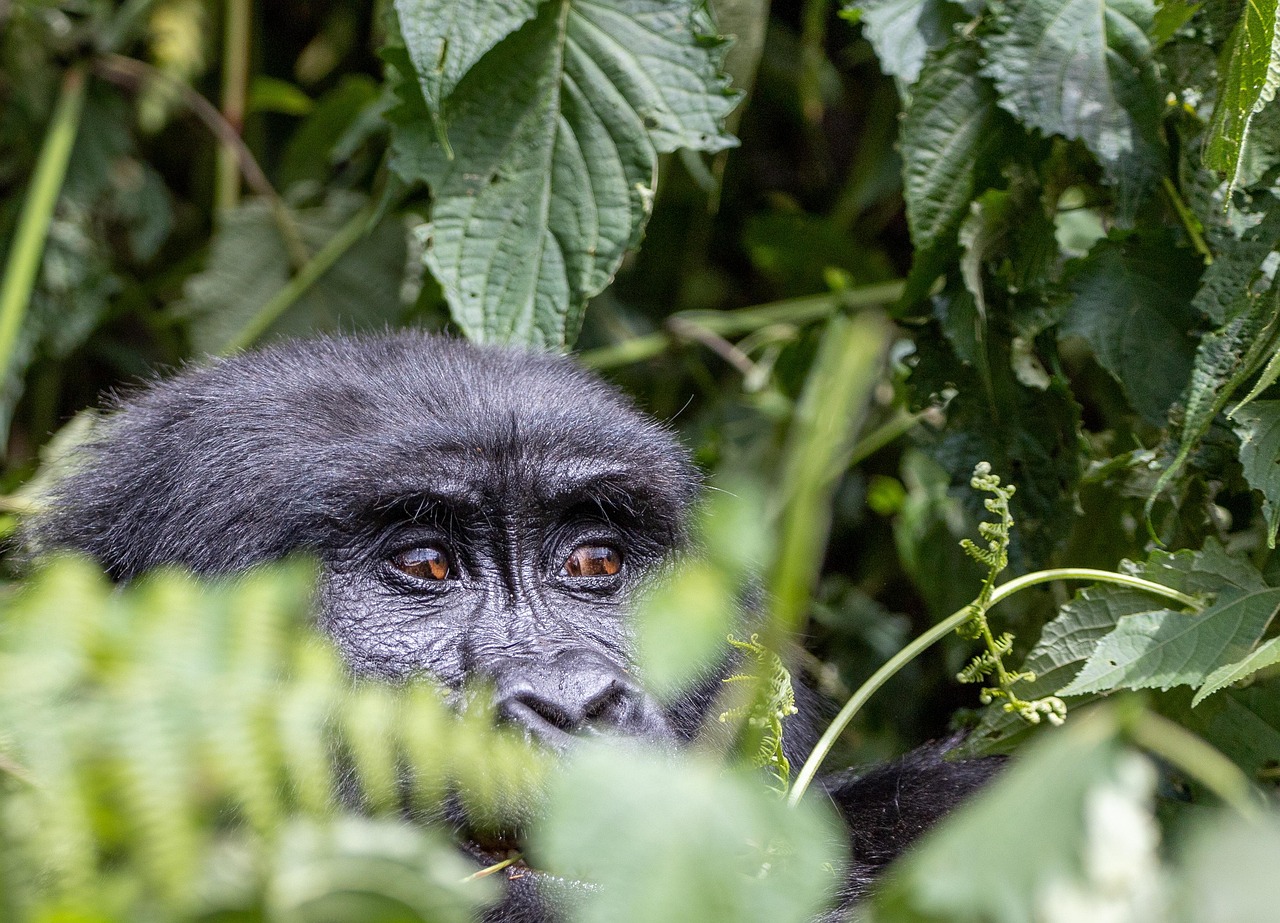
A gorilla charge can be dramatic.
Visitors often describe it as one of the most unforgettable moments of their lives.
Before charging, a silverback usually displays several warning signs.
These signs may include:
- Intense staring
- Vocalizations
- Chest beating
- Branch shaking
- Running short distances
- Ground slapping
In many situations, the charge itself lasts only a few seconds.
The silverback may run toward the perceived threat before stopping abruptly.
This behavior communicates power and authority without physical contact.
Experienced guides immediately recognize these signals and know how to manage the situation safely
Gorilla Bluff Charge vs Real Gorilla Attack
One of the biggest misconceptions surrounding gorilla trekking is that every charge represents danger.
The reality is very different.
| Behavior | Bluff Charge | Real Attack |
|---|---|---|
| Purpose | Warning or communication | Physical confrontation |
| Frequency | Relatively uncommon but possible | Extremely rare |
| Physical Contact | Usually none | Possible |
| Trigger | Dominance, protection, communication | Severe threat perception |
| Ranger Management | Usually straightforward | Emergency response |
| Visitor Risk | Very low | Low but serious |
In most trekking situations, what visitors witness is a bluff charge rather than an actual attack.
As a result, experienced trekkers often leave with a greater appreciation for gorilla communication rather than fear.
What Happens If Gorillas Charge at Tourists?
One reason gorilla trekking has an excellent safety record is that visitors receive detailed briefings before entering the forest.
If a gorilla charges, the most important response is to remain calm.
Although this may sound difficult, panic can increase tension within the situation.
Ranger guides generally advise visitors to avoid direct eye contact, remain still, and follow instructions carefully.
Running is strongly discouraged.
A running person may appear unpredictable and can potentially escalate the encounter.
Likewise, shouting, waving arms, or attempting to take photographs during the charge can create additional stress.
Instead, visitors should trust their guides, who are trained to interpret gorilla behavior and respond appropriately.
How Often Do Gorillas Charge During Trekking?
Many first-time trekkers assume gorilla charges happen regularly.
In reality, most visitors never experience one.
Thousands of tourists participate in gorilla trekking every year across Uganda and Rwanda.
The vast majority observe gorillas feeding, grooming, resting, and interacting peacefully within their family groups.
When charges do occur, they are usually brief warning displays rather than dangerous confrontations.
This is one reason gorilla trekking remains one of the safest wildlife encounters in Africa.
Why Habituated Gorillas Rarely Attack Tourists

Only habituated gorilla families are visited during tourism activities.
Habituation is a gradual process that can take several years.
During this process, gorillas become accustomed to the presence of researchers, trackers, veterinarians, and eventually tourists.
The goal is not to tame gorillas but to reduce fear and stress associated with human observation.
As a result, habituated gorillas generally tolerate visitors remarkably well.
| Habituated Gorilla Behavior | Impact on Visitor Safety |
| Familiarity with humans | Reduced stress |
| Predictable reactions | Safer encounters |
| Calm observation periods | Improved viewing |
| Ranger monitoring | Rapid intervention |
| Daily tracking | Better encounter planning |
Consequently, the risk of aggressive interactions remains extremely low.
What Ranger Guides Do During a Charge
Professional ranger guides are the foundation of gorilla trekking safety.
Before visitors arrive, trackers locate gorilla families and assess their behavior.
Throughout the trek, guides monitor:
- Silverback behavior
- Group dynamics
- Visitor positioning
- Environmental conditions
If a charge occurs, guides immediately evaluate whether it represents normal communication or requires additional management.
Because they understand gorilla body language, they can often predict displays before they happen.
This expertise significantly reduces risk for visitors.
Real Experiences from Gorilla Treks
During years of organizing gorilla trekking safaris in Bwindi Impenetrable Forest, many travelers have shared stories of silverbacks displaying dominance.
In most cases, visitors initially describe the experience as frightening.
However, once guides explain the behavior, many realize they have witnessed something extraordinary rather than dangerous.
A chest-beating silverback charging a short distance before stopping demonstrates the complexity of gorilla communication.
These moments often become the most memorable part of the trek.
Moreover, they provide valuable insight into the social structure of mountain gorilla families.
Are Silverbacks More Likely to Charge Than Other Gorillas?
Yes.
Silverbacks are responsible for protecting the family group.
Therefore, they are far more likely to perform warning displays than females, juveniles, or blackbacks.
The silverback’s role includes:
- Defending family members
- Resolving conflicts
- Leading group movements
- Responding to potential threats
As a result, most charging behavior originates from the dominant male.
This behavior is a natural part of gorilla society rather than evidence of aggression.
Comparing Gorilla Charges to Other Wildlife Encounters
Many travelers wonder how gorilla charges compare to encounters with other African wildlife.
The answer often surprises them.
| Wildlife Encounter | Typical Warning Signs | Likelihood of Serious Attack |
| Mountain Gorilla | Chest beating, bluff charge | Very low |
| Elephant | Ear spreading, trumpeting | Moderate |
| Buffalo | Head lowering, snorting | High |
| Hippo | Yawning, charging | High |
| Lion | Stalking behavior | Moderate |
| Gorilla Trekking Encounter | Highly monitored | Very low |
Because gorilla tourism is closely managed and involves habituated animals, serious incidents are far less common than many people imagine.
Common Mistakes That Increase Risk
Although gorilla trekking is safe, visitor behavior remains important.
The most common mistakes include approaching too closely, ignoring ranger instructions, making sudden movements, or attempting to touch gorillas.
Similarly, visitors who arrive while ill may endanger gorilla health through disease transmission.
Consequently, following established trekking rules remains essential.
Respectful behavior not only improves safety but also contributes to long-term conservation success.
The Role of Conservation in Preventing Dangerous Encounters
Modern gorilla tourism combines conservation science, veterinary care, ranger training, and community involvement.
Permit revenue supports:
- Anti-poaching patrols
- Gorilla health monitoring
- Ranger salaries
- Veterinary interventions
- Habitat protection
Because gorilla families are closely monitored, researchers often understand individual personalities and group dynamics.
This knowledge helps minimize risks while improving visitor experiences.
Furthermore, conservation programs ensure that tourism remains sustainable for future generations.
Are Gorilla Charges Dangerous?
For most visitors, the answer is no.
A gorilla charge can certainly feel intense.
The sight of a silverback displaying his strength from only a short distance away is unforgettable.
However, these displays are usually forms of communication rather than attempts to attack.
When trekking regulations are followed and guides are respected, gorilla encounters remain remarkably safe.
Consequently, thousands of travelers each year enjoy life-changing experiences without incident.
Final Thoughts
So, what happens if gorillas charge?
In most situations, a charge is a warning display rather than an attack. It is a natural part of gorilla communication, designed to establish authority, protect family members, or respond to perceived disturbances.
Although the experience may feel dramatic in the moment, serious attacks during regulated gorilla trekking are exceptionally rare.
Understanding gorilla behavior allows visitors to appreciate these encounters from a scientific and conservation perspective rather than through fear.
Ultimately, the combination of habituated gorilla families, professional ranger guides, strict tourism regulations, and decades of conservation experience has made gorilla trekking one of Africa’s safest and most rewarding wildlife adventures.
Frequently Asked Questions About Gorilla Charges
Can a gorilla kill a human?
A gorilla possesses enough strength to seriously injure a human. However, attacks on tourists during regulated gorilla trekking are extremely rare.
What should I do if a gorilla charges me?
Remain calm, avoid direct eye contact, stay still, and follow your ranger guide’s instructions.
Are gorilla charges common during trekking?
No. Most visitors never experience a charge during their trek.
Why do silverbacks beat their chests?
Chest beating is a communication display used to demonstrate strength, authority, and confidence.
Has anyone been attacked during gorilla trekking?
Serious incidents involving habituated gorillas are exceptionally uncommon due to strict safety regulations and experienced guide supervision.
How close do tourists get to gorillas?
Visitors are generally required to maintain a distance of approximately seven meters, although gorillas occasionally approach on their own.
Do juvenile gorillas charge people?
Juveniles are usually curious and playful. Most charging behavior comes from silverbacks rather than younger gorillas.
Is gorilla trekking still safe if a charge occurs?
Yes. Most charges are bluff displays rather than attacks, and ranger guides are trained to manage such situations safely.


