

Gorilla Families in Buhoma are among the most famous mountain gorilla groups in Uganda and attract travelers from around the world seeking unforgettable gorilla trekking experiences. Located in Buhoma within Bwindi Impenetrable National Park, these gorilla families play a major role in conservation tourism while offering visitors rare opportunities to observe endangered mountain gorillas in their natural rainforest habitat.
Many travelers planning gorilla trekking safaris often ask an important question before booking permits:
Which gorilla families are found in Buhoma?
Understanding the gorilla families in Buhoma helps travelers choose the right trekking experience while also creating deeper appreciation for gorilla conservation and rainforest tourism in Uganda
Gorilla Families in Buhoma and Their Unique Characteristics
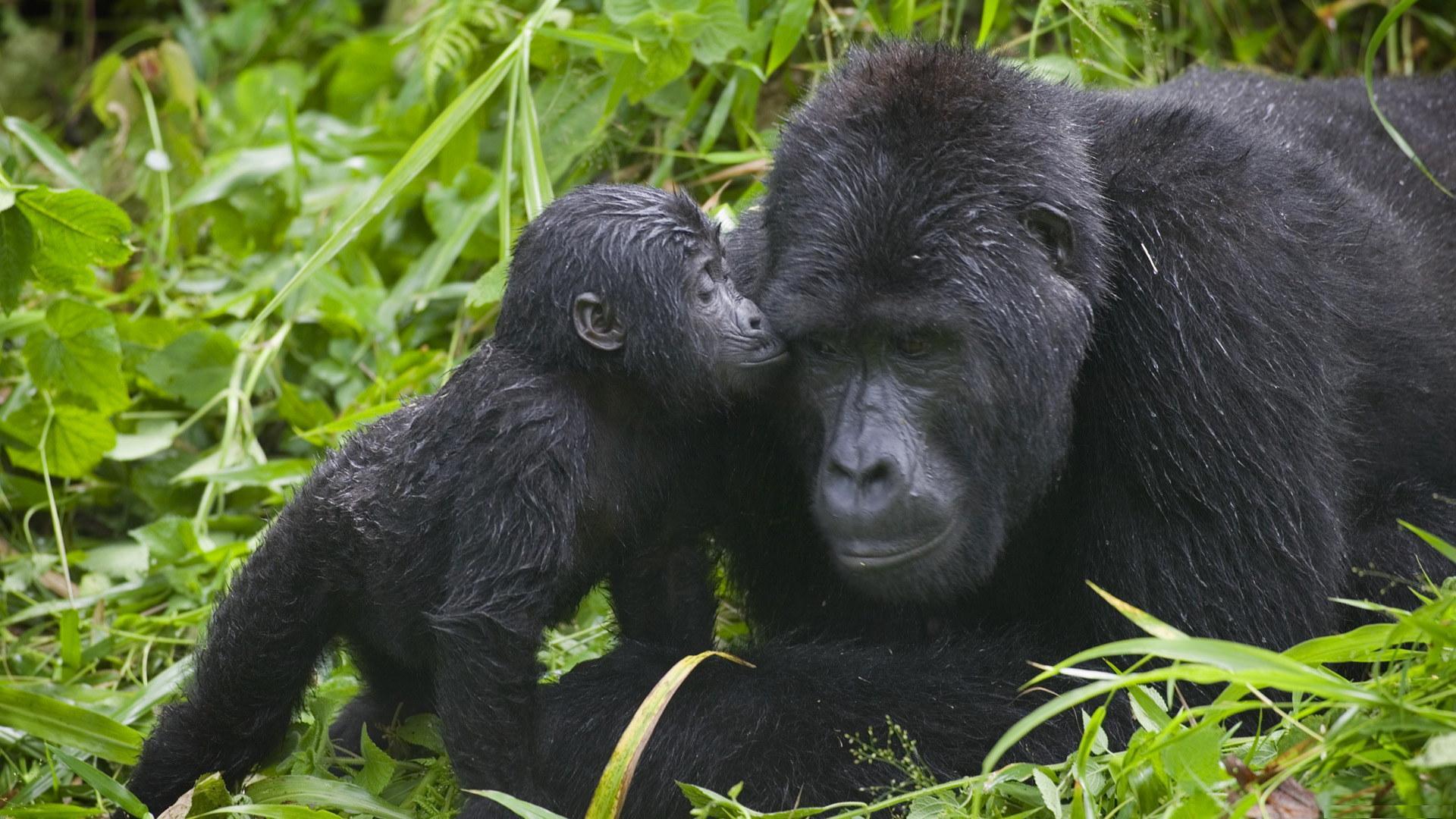
Mountain gorillas live in social groups known as gorilla families. Each family is led by a dominant silverback that protects the group, guides movement, and maintains social stability within the family structure.
A gorilla family often includes:
- adult females
- juveniles
- infants
- blackbacks
- younger males
- one or more silverbacks
In Buhoma, several gorilla families have undergone habituation. Habituation is a gradual conservation process where gorillas become accustomed to human presence without losing their natural behavior.
This process can take several years because researchers and trackers must slowly build trust with the gorilla group while minimizing stress and disturbance.
Once habituation is complete, the Uganda Wildlife Authority allows limited tourism visits under strict conservation guidelines.
Today, Buhoma hosts some of the most famous habituated gorilla families in Uganda.
Mubare Gorilla Family
The Mubare family is the oldest habituated gorilla family in Uganda. It officially opened for tourism in 1993, making it historically important within gorilla conservation and tourism development in Bwindi.
The family was named after the Mubare Hills where researchers first located the group.
Over the years, the Mubare family experienced several leadership changes, group separations, and natural population shifts. However, the family continues attracting travelers from around the world because of its remarkable conservation history.
Trekking the Mubare family often feels special because visitors experience one of the original gorilla tourism groups in Uganda.
The trekking routes usually involve moderate rainforest hiking conditions depending on the gorillas’ daily movement patterns.
During encounters, visitors often observe calm social interaction among family members while the dominant silverback monitors activity nearby.
The group’s historical importance gives the trekking experience additional emotional depth for travelers interested in conservation and wildlife history.
Habinyanja Gorilla Family
The Habinyanja family is one of the largest and most fascinating gorilla groups in Buhoma.
Its name comes from a local word meaning “place with water” because researchers first discovered the family near swampy areas within the forest.
The family became habituated for tourism in the late 1990s and quickly gained popularity because of its dynamic social structure and large group interactions.
Habinyanja is especially known for its complex silverback relationships. At different periods, the group included multiple dominant males sharing leadership responsibilities within the family.
This creates highly interesting behavioral observations during trekking encounters.
Visitors often witness:
- juveniles playing
- mothers caring for infants
- grooming interactions
- feeding behavior
- communication between silverbacks
The family usually moves through dense rainforest terrain. Consequently, trekking conditions may range from moderate to challenging depending on the season and gorilla location.
For many travelers, Habinyanja provides one of the most socially active gorilla trekking experiences in Buhoma.
Rushegura Gorilla Family
The Rushegura family formed after separating from the Habinyanja group. Over time, it became one of the calmest and most loved gorilla families in Buhoma.
The family gained popularity because of its relaxed behavior around visitors and its tendency to remain closer to the Buhoma sector headquarters compared to some other groups.
As a result, trekking the Rushegura family sometimes involves shorter hiking distances, although gorilla movement patterns still vary daily.
The dominant silverback, known as Mwirima, became well known among trackers and conservation teams because of his calm leadership style and strong family protection.
Visitors trekking Rushegura often experience intimate encounters with gorillas feeding, resting, grooming, and interacting peacefully within the forest.
The family’s relaxed nature makes it particularly appealing for:
- first-time trekkers
- photographers
- older travelers
- visitors seeking moderate trekking conditions
However, trekking distances can still change significantly because mountain gorillas move freely throughout the rainforest ecosystem.
Katwe Gorilla Family

The Katwe family is one of the newer habituated gorilla groups in Buhoma.
Researchers and conservation teams spent years gradually habituating the family before opening it for tourism.
Today, the group provides additional permit availability within the Buhoma sector while helping reduce tourism pressure on older gorilla families.
The family moves through beautiful rainforest landscapes filled with ancient trees, thick vegetation, and steep forest slopes.
Because the group remains relatively new compared to older families such as Mubare or Habinyanja, many travelers appreciate the sense of freshness and wilderness associated with trekking this family.
The trekking experience itself can vary from moderate to physically demanding depending on weather conditions and gorilla movement.
However, encounters often feel highly rewarding because the group demonstrates natural social behavior within dense rainforest environments.
What Gorilla Trekking in Buhoma Feels Like
Gorilla trekking in Buhoma begins early in the morning at the park briefing center.
Before entering the forest, ranger guides explain trekking rules, conservation regulations, and safety procedures.
After briefing, visitors are assigned gorilla families depending on permit allocations, fitness levels, and gorilla locations.
The trek itself moves through dense rainforest trails filled with giant trees, vines, birds, waterfalls, and mist-covered vegetation.
Trackers move ahead searching for fresh gorilla signs including:
- feeding remains
- footprints
- broken branches
- nesting sites
Once trackers locate the gorilla family, visitors approach carefully under ranger guidance.
The encounter lasts one strictly regulated hour.
During this time, travelers observe gorillas feeding, grooming, resting, communicating, and caring for young infants within their natural environment.
The experience often feels deeply emotional because mountain gorillas display remarkably human-like expressions and social behavior.
For many visitors, seeing a silverback quietly watching over the family becomes one of the most unforgettable wildlife moments in Africa.
Best Time to Visit Buhoma for Gorilla Trekking
Gorilla trekking in Buhoma operates throughout the year because mountain gorillas remain within the rainforest permanently.
However, weather conditions influence trekking comfort and trail accessibility.
The dry seasons from June to September and December to February generally provide easier hiking conditions because trails remain less muddy.
Consequently, these months attract larger visitor numbers and higher permit demand.
Meanwhile, the rainy seasons from March to May and October to November create more difficult trekking conditions because forest trails become slippery and steep.
However, the rainforest becomes greener, quieter, and more atmospheric during wetter months.
Photographers often appreciate the dramatic mist and lush forest scenery created during rainy periods.
Therefore, the best travel season depends on whether visitors prioritize:
- easier trekking
- fewer tourists
- photography
- permit availability
- rainforest scenery
Gorilla Permit Costs in Buhoma
Every visitor trekking gorillas in Bwindi Impenetrable National Park must obtain a valid gorilla permit through the Uganda Wildlife Authority.
As of 2026, foreign non-resident permits cost approximately USD 800 per person.
Permit fees include:
- park entry access
- ranger guide services
- gorilla tracking operations
- one hour with a habituated gorilla family
Importantly, permit revenue directly supports:
- gorilla conservation
- veterinary care
- anti-poaching patrols
- community development
- rainforest protection programs
Because permits in Buhoma sell quickly during peak seasons, early booking remains highly recommended.
Conservation Importance of Buhoma Gorilla Families
The gorilla families in Buhoma play a major role in global mountain gorilla conservation.
Decades ago, mountain gorillas faced severe threats from habitat destruction, poaching, and political instability throughout the region.
However, carefully regulated tourism created sustainable conservation funding while improving local community involvement in rainforest protection.
Today, tourism revenue supports conservation teams, ranger patrols, veterinary programs, and local livelihoods surrounding Bwindi.
As a result, communities increasingly benefit from protecting mountain gorillas rather than exploiting forest resources.
Buhoma has therefore become one of Africa’s strongest examples of successful conservation through sustainable tourism.
Why Travelers Choose Buhoma for Gorilla Trekking
Many travelers choose Buhoma because it combines strong tourism infrastructure with extraordinary rainforest experiences.
The sector offers:
- historic gorilla families
- excellent accommodation
- accessible trekking routes
- experienced ranger teams
- beautiful rainforest scenery
- connections to other safari destinations
In addition, Buhoma works especially well for travelers combining gorilla trekking with wildlife safaris in Queen Elizabeth National Park.
The balance between comfort, conservation, accessibility, and authentic rainforest immersion makes Buhoma one of the most popular gorilla trekking sectors in Uganda.
Final Thoughts
The gorilla families in Buhoma represent some of the most important wildlife conservation groups in Africa.
Families such as Mubare, Habinyanja, Rushegura, and Katwe each provide unique trekking experiences while contributing to the long-term protection of endangered mountain gorillas.
Whether travelers seek easier trekking, historic conservation experiences, dramatic rainforest scenery, or intimate wildlife encounters, Buhoma offers one of the finest gorilla trekking experiences in the world.
Most importantly, every gorilla permit purchased helps protect the future of mountain gorillas while supporting sustainable tourism and local communities across southwestern Uganda.


