
The Gorilla Habituation Experience in Uganda has become one of the most extraordinary wildlife encounters in Africa. Unlike standard gorilla trekking, this unique adventure allows visitors to spend up to four hours with a semi-habituated mountain gorilla family deep inside the rainforest of Bwindi Impenetrable National Park.
For wildlife enthusiasts, photographers, conservation travelers, and safari adventurers, the Gorilla Habituation Experience offers a far more immersive and intimate encounter than traditional gorilla trekking. Instead of observing gorillas for only one hour, visitors join researchers, trackers, conservationists, and rangers during the actual habituation process as gorillas gradually become comfortable around human presence.
Because of its exclusivity, limited permits, and deeper conservation value, the Gorilla Habituation Experience has quickly become one of Uganda’s most sought-after safari activities in 2026.
At the same time, Uganda remains the only destination in the world where travelers can participate in this extraordinary gorilla habituation activity. Consequently, the experience attracts travelers from across Europe, North America, Asia, Australia, and the Middle East who want something more authentic and immersive than ordinary wildlife tourism.
What Is the Gorilla Habituation Experience in Uganda?
The Gorilla Habituation Experience in Uganda allows visitors to accompany researchers and park rangers as they help wild mountain gorillas become accustomed to human observation.
Normally, fully habituated gorilla families undergo a long process lasting between two and five years before tourism begins. During this period, conservation teams slowly introduce limited human presence to the gorillas while monitoring their behavior and reactions.
Unlike ordinary gorilla trekking, which allows only one hour with a fully habituated gorilla family, the Gorilla Habituation Experience provides up to four hours with a gorilla group still undergoing habituation.
As a result, visitors observe more natural and unpredictable gorilla behavior. The experience often feels wilder, more authentic, and more adventurous because the gorillas are not yet fully accustomed to tourists.
Additionally, the smaller visitor numbers create a more private and conservation-focused safari atmosphere.
Where the Gorilla Habituation Experience Takes Place

The Gorilla Habituation Experience is particularly associated with the Rushaga area in the southern part of Bwindi Impenetrable National Park..
Bwindi remains one of Africa’s oldest and most biologically diverse rainforests. The park protects nearly half of the world’s remaining mountain gorilla population while also supporting hundreds of bird species, butterflies, primates, and plant varieties.
Rushaga lies in the southern part of Bwindi and has become especially popular because it contains several gorilla families and excellent trekking opportunities. Furthermore, the sector remains relatively accessible from Kigali, which significantly reduces travel time for international visitors arriving through Rwanda.
The journey from Kigali to Rushaga usually takes between 4 and 5 hours depending on border crossing procedures and road conditions.
Gorilla Habituation Experience Permit Cost in 2026 – 2027
One of the most important planning considerations involves permit pricing.
As of 2026 – 2027, the Gorilla Habituation Experience permit in Uganda costs approximately:
- USD 1,500 per person for foreign non-residents
- USD 1,000 for foreign residents in East Africa
- UGX 750,000 for East African citizens
Although the permit appears expensive, it includes:
- up to four hours with mountain gorillas
- ranger guide services
- conservation support fees
- park entry
- tracker services
- security during trekking
Importantly, standard gorilla trekking permits in Uganda currently cost approximately USD 800 for one hour with gorillas. Therefore, many travelers consider the habituation experience worthwhile because it provides significantly longer interaction time and a more exclusive encounter.
Gorilla Habituation vs Gorilla Trekking Comparison
Travelers often compare the Gorilla Habituation Experience with standard gorilla trekking before deciding which safari activity to book.
Gorilla Habituation Experience vs Gorilla Trekking
| Feature | Gorilla Habituation Experience cost | Standard Gorilla Trekking |
|---|---|---|
| Time with Gorillas | 4 Hours | 1 Hour |
| Permit Cost (2026 – 2027) | has a current permit price of USD 1,500 for foreign non-residents | USD 800 |
| Group Size | Maximum 4 Visitors | Maximum 8 Visitors |
| Gorilla Status | Semi-habituated | Fully Habituated |
| Trek Difficulty | More Demanding | Moderate |
| Experience Style | Immersive and Research-Based | Traditional Tourism Experience |
| Location | The Rushaga area in southern Bwindi | Multiple Bwindi Sectors |
Because of these differences, photographers, wildlife filmmakers, researchers, and adventure travelers often prefer the Gorilla Habituation Experience.
Why the Gorilla Habituation Experience Is More Special
The Gorilla Habituation Experience feels dramatically different from ordinary gorilla trekking.
First, visitors spend significantly more time observing gorilla behavior. Instead of rushing through a brief one-hour encounter, travelers witness feeding patterns, communication, grooming, movement, and family interactions over several hours.
Second, the smaller visitor group creates a more intimate and less crowded atmosphere. Since only four permits are issued daily, the forest experience feels quiet, exclusive, and highly personal.
Third, the experience often involves deeper trekking into untouched rainforest areas. Consequently, travelers encounter more challenging terrain, denser vegetation, and wilder gorilla behavior.
Moreover, participating in the habituation process creates a meaningful conservation connection. Visitors contribute directly to long-term gorilla protection and scientific monitoring efforts within Bwindi.
How Long the Gorilla Habituation Experience Takes
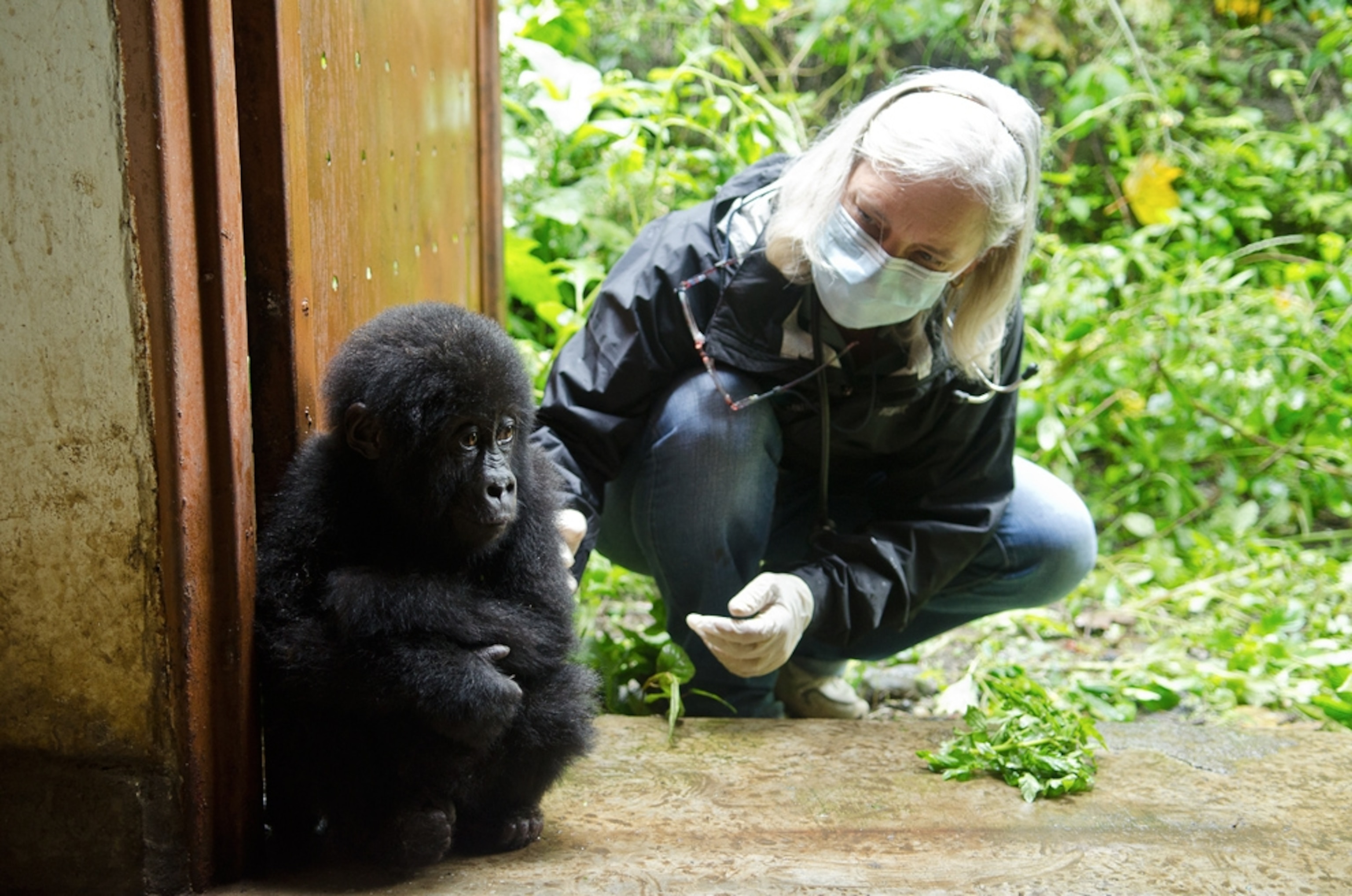
The overall Gorilla Habituation Experience usually lasts between 6 and 10 hours depending on gorilla location and forest conditions.
The day begins early with a ranger briefing at the Rushaga park headquarters. Afterward, visitors enter the rainforest alongside trackers, researchers, guides, and armed rangers.
Some gorilla families remain relatively accessible, while others move deeper into the forest. Consequently, trekking times vary considerably from one day to another.
Typical timing includes:
- Forest hiking: 2 to 6 hours
- Gorilla interaction: 4 hours maximum
- Briefings and preparation: 1 hour
Because of the extended duration, visitors should prepare for a physically demanding experience involving steep terrain, muddy trails, dense vegetation, and changing weather conditions.
Distance and Travel Time to Rushaga Sector
Travel logistics remain an important part of safari planning.
Current Travel Distances to Rushaga Sector
| Route | Approximate Distance | Average Travel Time |
|---|---|---|
| Kigali to Rushaga | 170–190 km | 4–5 Hours |
| Entebbe to Rushaga | 500+ km | 9–10 Hours |
| Kampala to Rushaga | 480–520 km | 8–10 Hours |
Because Kigali remains much closer to southern Bwindi, many travelers now prefer flying into Rwanda before crossing into Uganda.
Accommodation Costs Near Gorilla Habituation Areas
Accommodation around Rushaga ranges from budget camps to luxury eco-lodges overlooking the rainforest and Virunga volcanoes.
Estimated 2026 Accommodation Prices
| Accommodation Category | Average Price Per Night |
|---|---|
| Budget Lodges | USD 50–120 |
| Mid-range Lodges | USD 150–350 |
| Luxury Lodges | USD 500–2,500+ |
Most lodges near Rushaga provide:
- gorilla trekking transfers
- local meals
- campfire experiences
- volcano views
- cultural entertainment
- guided community walks
Because permits remain limited, travelers should reserve accommodation early during peak seasons.
Best Time for Gorilla Habituation Experience Uganda
The Gorilla Habituation Experience operates throughout the year. However, dry seasons generally provide easier trekking conditions.
The best travel periods include:
- June to September
- December to February
During these months:
- trails become less muddy
- visibility improves
- hiking conditions become easier
- photography conditions improve
On the other hand, rainy seasons offer greener forest scenery, fewer tourists, and quieter trekking experiences.
Since Bwindi lies within a tropical rainforest ecosystem, rainfall remains possible at any time regardless of season.
Gorilla Habituation Experience Difficulty Level
The Gorilla Habituation Experience is usually more physically demanding than regular gorilla trekking.
Because semi-habituated gorillas move more unpredictably, trackers often follow them through steeper and less accessible forest areas. Consequently, trekking routes may involve:
- muddy slopes
- thick vegetation
- uneven terrain
- high altitude hiking
Travelers should therefore prepare physically before arrival.
Good hiking boots, waterproof jackets, gloves, gaiters, walking sticks, and sufficient hydration significantly improve comfort during the trek.
Additionally, many visitors hire local porters for approximately USD 15 to 25 to assist with backpacks and difficult sections of the trail.
Conservation Importance of Gorilla Habituation
The Gorilla Habituation Experience plays a critical role in mountain gorilla conservation.
Revenue generated through permits supports:
- anti-poaching patrols
- ranger salaries
- veterinary programs
- community development
- rainforest protection
- scientific research
At the same time, habituation itself allows conservationists to monitor gorilla health and population growth more effectively.
Because mountain gorillas remain endangered despite population recovery, responsible tourism continues serving as a major conservation tool across Uganda.
Cultural Experiences Around Bwindi

Many travelers combine gorilla habituation with cultural activities near Bwindi.
The Batwa cultural experience remains particularly meaningful. The Batwa people historically lived within Bwindi forest before conservation efforts relocated them outside the park.
Today, cultural tourism initiatives help preserve Batwa traditions while supporting community livelihoods.
Visitors may also enjoy:
- traditional dance performances
- village walks
- local coffee experiences
- craft markets
- storytelling sessions
These experiences create deeper understanding of the communities surrounding gorilla habitats.
Why Uganda Leads Gorilla Conservation Tourism
Uganda continues positioning itself as one of Africa’s leading gorilla conservation destinations.
Unlike many wildlife experiences focused purely on tourism, Uganda’s Gorilla Habituation Experience combines:
- conservation
- research
- adventure
- education
- sustainable tourism
Consequently, travelers gain far more than a simple wildlife encounter.
They become part of an ongoing conservation journey helping protect one of the world’s rarest primates.
Conclusion
The Gorilla Habituation Experience Uganda remains one of the most exclusive and transformative wildlife adventures in Africa.
With up to four hours spent alongside semi-habituated mountain gorillas deep inside Bwindi Impenetrable National Park, travelers experience a far more immersive encounter than traditional gorilla trekking.
Although the experience involves higher permit costs and more demanding hiking, the rewards are extraordinary. Visitors witness natural gorilla behavior, support vital conservation work, and explore one of Africa’s most biodiverse rainforests in remarkable depth.
Moreover, Uganda remains the only destination in the world offering this unique experience, making it a bucket-list safari adventure for wildlife enthusiasts, photographers, researchers, and conservation travelers.
If you are planning gorilla trekking in 2026, securing Gorilla Habituation Experience permits early remains essential because only a few permits are issued daily. With growing international demand, availability becomes limited months in advance, especially during peak travel seasons.
Frequently Asked Questions About Gorilla Habituation Experience Uganda
What is the Gorilla Habituation Experience in Uganda?
The Gorilla Habituation Experience allows visitors to spend up to four hours with semi-habituated mountain gorillas while accompanying researchers and rangers during the habituation process.
How much does the Gorilla Habituation Experience cost in 2026 – 2027?
The permit currently costs approximately USD 1,800 per person for foreign non-residents.
Where does the Gorilla Habituation Experience take place?
The experience takes place in the Rushaga sector of Bwindi Impenetrable National Park.
How difficult is the Gorilla Habituation Experience?
The experience is generally more physically demanding than normal gorilla trekking because trekkers often follow gorillas through steeper and denser rainforest terrain.
How many people are allowed during Gorilla Habituation?
Only four visitors are allowed per gorilla family each day during the Gorilla Habituation Experience.
What is the difference between gorilla trekking and gorilla habituation?
Gorilla trekking allows one hour with fully habituated gorillas, while the Gorilla Habituation Experience allows up to four hours with semi-habituated gorillas still undergoing the habituation process.


