
Gorilla trekking is one of Africa’s most extraordinary wildlife experiences. Standing a few meters away from a family of mountain gorillas in their natural habitat creates memories that last a lifetime. However, before embarking on this remarkable adventure, understanding the Gorilla Trekking Health Requirements is essential for both personal safety and gorilla conservation.
Unlike many wildlife activities, gorilla trekking involves close interaction with one of humanity’s closest relatives. Because mountain gorillas share approximately 98 percent of their genetic makeup with humans, they are highly vulnerable to many human diseases. Consequently, strict Gorilla Trekking Health Requirements have been established to protect these endangered primates while ensuring visitors enjoy a safe and rewarding experience.
Whether you plan to visit Bwindi Impenetrable National Park or Mgahinga Gorilla National Park in Uganda, preparing for Gorilla Trekking Health Requirements should be a priority long before your departure date. Proper preparation not only increases your chances of a successful trek but also contributes directly to mountain gorilla conservation efforts.
This comprehensive guide covers everything you need to know about Gorilla Trekking Health Requirements, including medical fitness, vaccinations, age restrictions, disease prevention, travel insurance, and practical health tips based on real safari experiences.
Why Gorilla Trekking Health Requirements Are Essential
The Gorilla Trekking Health Requirements exist for reasons that go far beyond visitor safety. They form a critical part of international conservation efforts aimed at protecting one of the world’s most endangered primates.
Mountain gorillas have experienced significant population recovery over recent decades. Nevertheless, they remain vulnerable to disease outbreaks, habitat pressures, and environmental challenges. Among these threats, infectious diseases transmitted by humans represent one of the greatest risks.
Even a common cold that causes mild symptoms in humans can have devastating consequences for a gorilla family. Since gorillas have limited immunity to many human illnesses, respiratory infections can spread rapidly through a troop and lead to severe complications.
Consequently, conservation authorities, wildlife veterinarians, and park management teams have developed Gorilla Trekking Health Requirements that reduce disease transmission while maintaining sustainable tourism practices.
Moreover, these requirements help visitors prepare physically for challenging trekking conditions. The forests of Bwindi and Mgahinga contain steep hillsides, muddy trails, dense vegetation, and varying elevations. Therefore, adequate health preparation enhances both safety and enjoyment during the trek.
Health Preparation for Trekking in Bwindi Impenetrable National Park

Bwindi Impenetrable National Park is Uganda’s most popular gorilla trekking destination and hosts nearly half of the world’s remaining mountain gorillas.
Medical Considerations for Visitors Exploring Bwindi
The terrain in Bwindi is known for being rugged and physically demanding. Trekkers frequently navigate steep slopes, narrow forest paths, and thick vegetation while searching for habituated gorilla families.
Because trekking conditions vary daily, Gorilla Trekking Health Requirements for Bwindi emphasize physical readiness and personal health awareness.
From our experience working with visitors preparing for Bwindi gorilla safaris, travelers who begin moderate fitness training several weeks before arrival consistently report a more enjoyable trekking experience. Even individuals who do not consider themselves athletes can successfully complete the trek when they prepare properly.
Furthermore, maintaining good overall health before arrival significantly reduces the likelihood of complications during the hike.
How Bwindi’s Climate Affects Trekking Preparation
Bwindi’s climate can change rapidly throughout the day. Morning conditions may be cool and misty, while afternoon temperatures become warmer and more humid.
As a result, Gorilla Trekking Health Requirements include staying properly hydrated, dressing appropriately, and preparing for varying weather conditions.
Visitors who underestimate the physical impact of humidity often experience fatigue earlier than expected. Therefore, maintaining hydration before and during the trek is particularly important.
Preparing for a Gorilla Trek in Mgahinga Gorilla National Park

Mgahinga Gorilla National Park offers a different trekking experience compared to Bwindi. Located in Uganda’s southwestern corner, the park features volcanic landscapes and breathtaking mountain scenery.
Fitness and Wellness Expectations in Mgahinga
The Gorilla Trekking Health Requirements in Mgahinga remain similar to those in Bwindi. However, trekkers should be prepared for higher elevations and steeper volcanic terrain.
Because some trekking routes involve significant altitude gains, visitors with respiratory or cardiovascular conditions should consult healthcare professionals before travel.
Nevertheless, many travelers of varying fitness levels successfully complete gorilla treks in Mgahinga each year. The key lies in proper preparation and realistic expectations.
Managing Altitude and Physical Endurance During the Trek
Altitude can influence physical performance during trekking activities. While severe altitude sickness is uncommon in Mgahinga, some visitors may notice mild shortness of breath or increased fatigue.
For this reason, Gorilla Trekking Health Requirements encourage visitors to maintain a steady pace, drink sufficient water, and communicate openly with guides if they experience discomfort.
Most trekkers adapt well to the conditions and complete their gorilla encounter without significant issues.
Fitness Levels Needed for a Successful Gorilla Trek
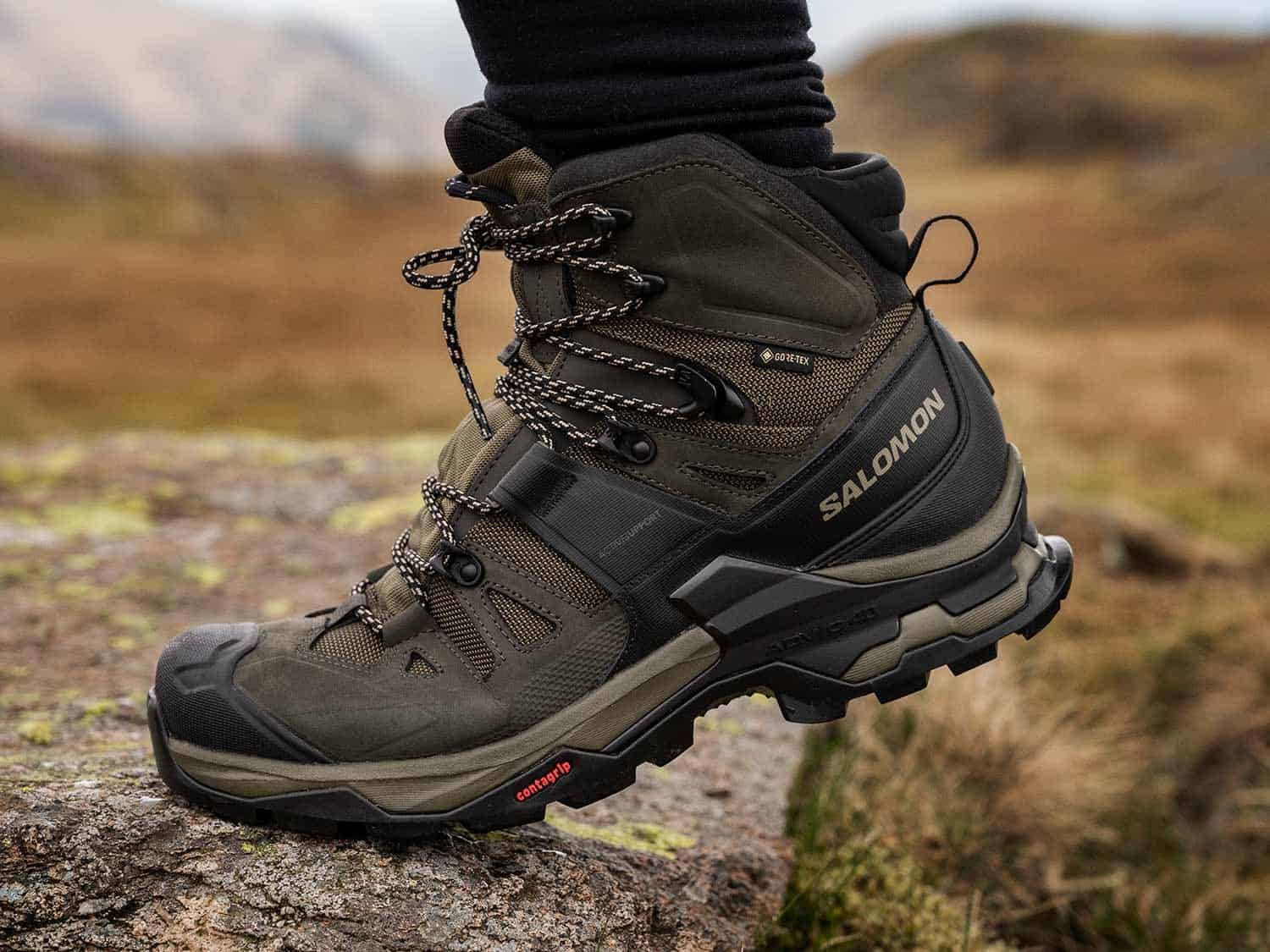
Physical fitness is one of the most frequently discussed Gorilla Trekking Health Requirements among prospective visitors.
How Trek Difficulty Varies Across Gorilla Habitats
Many travelers mistakenly believe gorilla trekking requires extreme athletic ability. In reality, individuals of various ages and fitness levels participate successfully every year.
However, Gorilla Trekking Health Requirements do expect participants to possess reasonable mobility and stamina.
A gorilla trek may last anywhere from one hour to eight hours depending on the location of the assigned gorilla family. Some groups are located relatively close to park headquarters, while others may require longer hikes through challenging terrain.
Therefore, preparing physically before your trip can significantly improve your overall experience.
Gorilla Trekking Health Requirements and Pre-Trip Exercise
Based on observations from safari operators and trekking guides, visitors who engage in regular walking before travel often perform better during gorilla treks.
Ideally, preparation should begin at least four to eight weeks before departure.
Walking several kilometers regularly, climbing stairs, hiking local trails, and improving cardiovascular endurance can make a substantial difference.
Moreover, strengthening leg muscles helps visitors navigate steep and uneven forest paths more comfortably.
Gorilla Trekking Health Requirements for Older Travelers
Age alone does not prevent participation in gorilla trekking.
In fact, many travelers in their sixties, seventies, and even eighties successfully complete gorilla treks each year.
The Gorilla Trekking Health Requirements for senior travelers focus primarily on overall fitness rather than chronological age.
Where necessary, parks offer porter services and specialized sedan chair assistance that enable older visitors to enjoy the experience safely.
As long as medical conditions are properly managed and fitness levels are adequate, age should not discourage anyone from pursuing this once-in-a-lifetime adventure.
Gorilla Trekking Health Requirements for Travelers With Medical Conditions
Many visitors wonder whether pre-existing medical conditions automatically disqualify them from gorilla trekking.
Fortunately, the answer is usually no.
Gorilla Trekking Health Requirements for Heart Conditions
Individuals with controlled heart conditions often participate successfully in gorilla trekking.
However, obtaining medical clearance before travel is highly advisable.
Healthcare providers can assess whether trekking activities align with individual health circumstances and may recommend specific precautions.
Gorilla Trekking Health Requirements for Asthma and Respiratory Conditions
Travelers with asthma frequently ask whether they can trek gorillas safely.
In most cases, well-controlled asthma does not prevent participation. Nevertheless, visitors should carry prescribed medications and discuss travel plans with their healthcare providers before departure.
Additionally, informing guides about any respiratory conditions ensures appropriate support during the trek.
Gorilla Trekking Health Requirements for Diabetes
Diabetic travelers regularly join gorilla trekking safaris without difficulty.
Successful preparation typically involves carrying necessary medications, monitoring blood sugar levels, staying hydrated, and maintaining appropriate nutrition throughout the day.
With proper planning, diabetes rarely becomes a barrier to enjoying a gorilla trekking experience.
Gorilla Trekking Vaccination Requirements for International Travelers
Vaccination planning forms an important component of Gorilla Trekking Health Requirements.
Although no vaccine is specifically required for gorilla trekking itself, several immunizations are strongly recommended for travelers visiting East Africa.
Gorilla Trekking Health Requirements and Recommended Vaccinations
Travel medicine specialists commonly recommend protection against hepatitis A, hepatitis B, typhoid, tetanus, and routine childhood illnesses.
These vaccinations help reduce travel-related health risks and contribute to safer international travel experiences.
Because vaccination schedules vary, travelers should begin consultation with healthcare professionals several weeks before departure.
Gorilla Trekking Health Requirements and Yellow Fever Vaccination
Yellow fever regulations remain particularly important for visitors traveling to Uganda.
Depending on your country of origin and travel history, proof of yellow fever vaccination may be required upon arrival.
Consequently, verifying entry requirements before departure helps prevent complications during international travel.
Gorilla Trekking Health Requirements and Disease Prevention
Beyond vaccinations, Gorilla Trekking Health Requirements encourage broader disease prevention measures.
Good hygiene practices, proper hand sanitation, safe drinking water consumption, and responsible health monitoring all contribute to a safer safari experience.
Furthermore, these precautions help protect the mountain gorillas themselves from potential exposure to human illnesses.


