
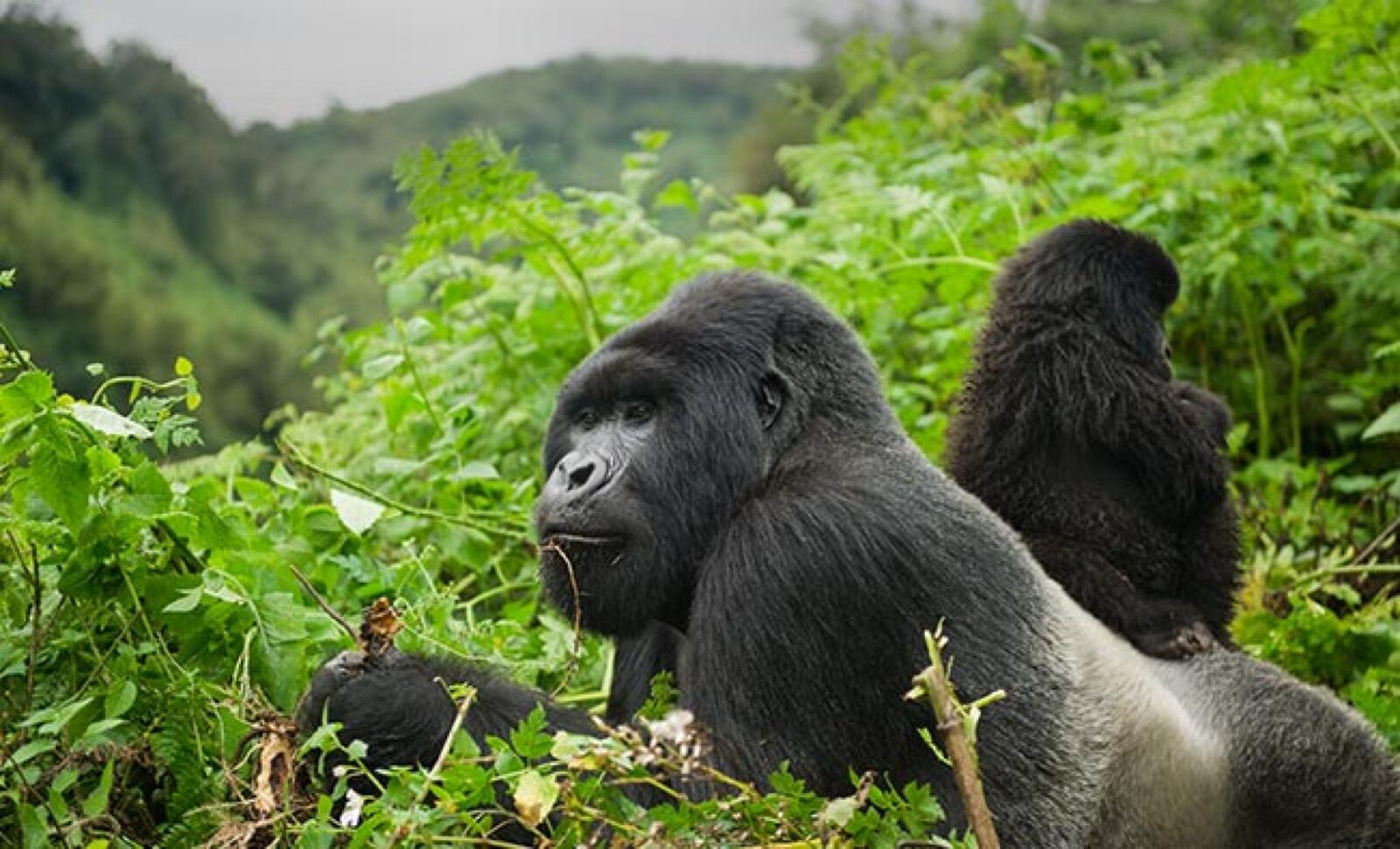
Gorilla trekking in January is widely regarded as one of the best wildlife experiences in Africa. Every year, travelers from around the world journey to the mist-covered mountains of Uganda and Rwanda for a chance to spend one unforgettable hour with endangered mountain gorillas in their natural habitat.
January falls within the long dry season in both Uganda and Rwanda. As a result, trekking trails are generally more accessible, rainfall is lower, and visibility within the forest is often better than during the wetter months. These conditions make January particularly attractive for first-time visitors as well as experienced safari travelers.
However, favorable weather is only part of the story.
The true magic of gorilla trekking in January begins long before you see the gorillas themselves. It starts in the early morning darkness as trekkers gather at the park headquarters. The air is cool and fresh. Rangers explain safety procedures while guides share updates from trackers who have already entered the forest searching for the gorilla families.
Soon afterward, you begin your journey into one of Africa’s most remarkable ecosystems.
Every step brings anticipation.
The sounds of birds echo through the forest canopy. Nearby monkeys leap between ancient trees. Then, after hours of hiking through dense vegetation and mountain slopes, a guide suddenly raises a hand and whispers the words every trekker hopes to hear:
“Here they are.”
Within moments, you find yourself face-to-face with a family of mountain gorillas.
For many visitors, that first encounter becomes the defining travel memory of their lives.
Is January a Good Time for Gorilla Trekking?
Yes. January is one of the best months for gorilla trekking because it falls during the dry season, offering easier hiking conditions, lower rainfall, and excellent wildlife viewing opportunities.
Although gorilla trekking is available throughout the year, January consistently ranks among the most recommended months for visiting both Uganda and Rwanda.
The advantages are significant.
Forest trails are generally less muddy. Transportation between safari destinations becomes easier. Photography conditions improve because of brighter skies. Furthermore, the forests remain lush and green despite the lower rainfall.
Consequently, many safari experts recommend January as one of the ideal months for first-time gorilla trekkers.
Weather Conditions for Gorilla Trekking in January
Weather plays a crucial role in determining trekking conditions.
Mountain gorillas inhabit tropical rainforest environments located at elevations ranging from approximately 2,200 to over 4,000 meters above sea level. Therefore, temperatures remain relatively cool throughout the year.
In January, daytime temperatures typically range between 15°C and 25°C. Early mornings are often cooler, particularly in higher-altitude regions such as Bwindi Impenetrable National Park and Volcanoes National Park.
Rainfall is significantly lower than during the peak rainy seasons of March-May and October-November. Nevertheless, occasional showers remain possible because rainforest weather can change quickly.
Fortunately, these showers are usually brief and rarely interfere with trekking activities.
January Weather Comparison
| Destination | Average Day Temperature | Rainfall Level | Trekking Conditions |
|---|---|---|---|
| Bwindi Impenetrable National Park | 15°C–24°C | Low to Moderate | Excellent |
| Mgahinga Gorilla National Park | 14°C–23°C | Low | Excellent |
| Volcanoes National Park Rwanda | 15°C–25°C | Low to Moderate | Excellent |
Because of these favorable conditions, January remains one of the busiest months for gorilla trekking permits.
Gorilla Trekking in Uganda During January
Uganda is home to more than half of the world’s remaining mountain gorilla population. This alone makes the country one of Africa’s most important conservation destinations.
The two gorilla trekking destinations in Uganda are Bwindi Impenetrable National Park and Mgahinga Gorilla National Park.
Bwindi Impenetrable National Park
Bwindi is often considered the ultimate gorilla trekking destination.
The park protects dozens of habituated gorilla families distributed across multiple sectors including Buhoma, Ruhija, Rushaga, and Nkuringo.
January’s drier conditions significantly improve trail accessibility. While some hikes remain challenging due to steep terrain, trekkers generally encounter fewer difficulties compared to the rainy season.
The experience itself feels almost prehistoric.
Ancient trees tower overhead. Thick vines drape across the forest. Sunlight filters through layers of vegetation while mist drifts slowly between the hills.
As you walk deeper into the forest, every sound heightens anticipation.
When the gorillas finally appear, the experience feels remarkably intimate. A silverback may sit quietly watching his family. Young gorillas often play nearby. Mothers cradle infants with strikingly human gestures.
The encounter lasts just one hour, yet many visitors describe it as life-changing.
Mgahinga Gorilla National Park
Although smaller than Bwindi, Mgahinga offers an equally rewarding experience.
January provides spectacular views of the surrounding Virunga Volcanoes, creating dramatic scenery that enhances the trekking adventure.
Because visitor numbers are generally lower, some travelers prefer Mgahinga for its quieter atmosphere and less crowded trails.
Gorilla Trekking in Rwanda During January
Rwanda’s Volcanoes National Park offers one of the most accessible gorilla trekking experiences in Africa.
The park lies approximately two to three hours from Kigali, allowing visitors to reach the gorillas without extensive travel.
January is particularly attractive in Rwanda because the dry weather improves hiking conditions while maintaining the lush beauty of the volcanic forests.
The terrain can still be steep in places. However, many visitors find Rwanda’s trekking experience slightly easier to access logistically than Uganda’s.
Additionally, the dramatic backdrop of the Virunga Mountains creates some of the most stunning scenery found anywhere in Africa.
Uganda vs Rwanda Gorilla Trekking in January
One of the most common questions travelers ask is whether they should choose Uganda or Rwanda.
The answer depends largely on budget, travel style, and personal preferences.
| Factor | Uganda | Rwanda |
| Gorilla Permit Cost | USD 800 | USD 1,500 |
| Accessibility | Longer travel times | Easy access from Kigali |
| Gorilla Families | More habituated families | Fewer families |
| Trekking Diversity | High | Moderate |
| Luxury Lodges | Excellent | Excellent |
| Budget Friendliness | Better | More expensive |
| Scenery | Dense rainforest | Volcanic landscapes |
Travelers seeking value often prefer Uganda.
Meanwhile, travelers prioritizing convenience and luxury frequently choose Rwanda.
Regardless of the destination selected, the actual gorilla encounter remains equally extraordinary.
Gorilla Trekking Permit Costs in January
Permit availability is one of the most important considerations when planning a January safari.
Because January is a peak travel month, permits often sell out months in advance.
Current permit prices are:
| Permit Type | Cost |
| Uganda Gorilla Trekking Permit | USD 800 |
| Uganda Gorilla Habituation Experience | USD 1,500 |
| Rwanda Gorilla Trekking Permit | USD 1,500 |
Although permit prices may appear expensive, they contribute directly to conservation programs, anti-poaching efforts, ranger salaries, veterinary care, and community development initiatives.
Every permit purchased helps protect one of the world’s most endangered primates.
How Difficult Is Gorilla Trekking in January?
Gorilla trekking is often easier in January than during wetter months because the trails are less muddy and slippery.
Nevertheless, visitors should be prepared for moderate physical activity.
Some gorilla families may be located relatively close to the starting point, resulting in short hikes of one to two hours.
Others may require four to six hours of hiking through steep terrain.
Fitness levels therefore influence the overall experience.
Fortunately, guides allocate gorilla groups based partly on age and fitness considerations. As a result, most visitors can successfully complete the trek regardless of experience.
How to Get to the Gorilla Trekking Destinations
Travel planning is another important factor.
Visitors trekking in Uganda typically travel from Entebbe to southwestern Uganda either by domestic flight or road transfer.
Road journeys can take between eight and ten hours depending on the trekking sector.
Alternatively, domestic flights significantly reduce travel time.
For Rwanda, most visitors arrive through Kigali International Airport before transferring directly to Volcanoes National Park.
The shorter transfer time makes Rwanda especially attractive for travelers with limited schedules.
Why January Is Ideal for Photography
Photographers consistently rank January among the best months for gorilla trekking.
The reasons are straightforward.
Lower rainfall reduces the risk of equipment damage. Brighter skies provide improved natural lighting. Additionally, less mud on trails allows photographers to move more easily while carrying camera gear.
Inside the forest, lighting conditions remain challenging because of the dense canopy. Nevertheless, January generally provides better photography opportunities than wetter periods of the year.
For wildlife photographers hoping to capture memorable images of silverbacks, mothers, and playful juveniles, January remains one of the strongest months available.
What to Pack for Gorilla Trekking in January
Proper preparation can make a significant difference to your overall trekking experience. While January is one of the drier months, mountain gorilla habitats remain tropical rainforests where weather conditions can change quickly.
The most important item is a good pair of waterproof hiking boots with strong ankle support. Even during the dry season, sections of the forest trail can be uneven, muddy, and slippery. Comfortable hiking boots provide stability and reduce fatigue during long walks.
Long-sleeved shirts and long trousers are also recommended. These help protect against scratches from vegetation, insect bites, and stinging nettles that are common within the forest. Neutral-colored clothing is generally preferred because it blends naturally into the environment.
A lightweight waterproof jacket remains essential. Although January receives less rainfall, brief showers can occur without warning. Being prepared ensures that changing weather conditions do not affect your enjoyment.
Many experienced trekkers also carry gardening gloves. While this may seem unusual, gloves are extremely useful when gripping branches and vegetation on steep sections of the trail.
A small backpack, reusable water bottle, sunscreen, camera, spare batteries, and energy snacks complete the list of essentials for a comfortable trekking experience.
Gorilla Trekking Rules and Regulations

Mountain gorillas are endangered animals, and strict regulations exist to protect both visitors and the gorillas themselves.
Before entering the forest, all trekkers attend a briefing conducted by park rangers. During this session, visitors receive guidance regarding behavior around the gorillas.
One of the most important rules involves maintaining a safe distance from the animals. Visitors are generally required to remain at least seven meters away. This minimizes the risk of disease transmission between humans and gorillas.
Photography is permitted, but flash photography is prohibited because it can disturb the gorillas.
Visitors who feel unwell are advised not to participate in the trek. Since gorillas share much of their genetic makeup with humans, they are highly susceptible to human illnesses.
Eating, smoking, and making excessive noise near the gorillas are also prohibited.
These regulations may seem strict. However, they have played a crucial role in one of the world’s greatest wildlife conservation success stories.
Gorilla Trekking in January vs February
Many travelers compare January and February when planning their safari.
The good news is that both months fall within the dry season and offer excellent trekking conditions.
However, January often receives slightly higher demand because it coincides with New Year travel and international holiday schedules.
January vs February Gorilla Trekking
| Factor | January | February |
|---|---|---|
| Rainfall | Low | Low |
| Trail Conditions | Excellent | Excellent |
| Photography | Excellent | Excellent |
| Permit Demand | Very High | High |
| Crowd Levels | Higher | Slightly Lower |
| Wildlife Viewing | Excellent | Excellent |
For travelers seeking slightly quieter trails, February may offer a small advantage. Nevertheless, both months remain among the best times of year for gorilla trekking.
Gorilla Trekking in January vs the Rainy Season
One of the strongest advantages of January becomes apparent when compared to the rainy seasons.
During March, April, May, October, and November, rainfall increases significantly throughout much of the region.
Consequently, trails become muddier, hiking conditions become more challenging, and visibility may occasionally be reduced.
January vs Rainy Season Comparison
| Factor | January | Rainy Season |
| Rainfall | Low | High |
| Hiking Difficulty | Moderate | Higher |
| Trail Conditions | Better | Muddy |
| Photography | Excellent | Variable |
| Road Access | Easier | Sometimes Difficult |
| Visitor Comfort | Higher | Lower |
That said, rainy-season trekking also has benefits. The forests are exceptionally green, visitor numbers are often lower, and some lodges offer attractive seasonal rates.
However, for first-time visitors, January remains one of the safest and most comfortable choices.
Gorilla Habituation Experience in January
Beyond traditional gorilla trekking, Uganda offers a unique activity known as the Gorilla Habituation Experience.
Available only in selected sectors of Bwindi Impenetrable National Park, this activity allows visitors to spend up to four hours with a semi-habituated gorilla family alongside researchers, trackers, and conservation teams.
Unlike standard gorilla trekking, which limits visitors to one hour with fully habituated gorillas, the habituation experience provides a deeper understanding of gorilla behavior and conservation work.
January’s favorable weather conditions make it one of the best months for participating in this extraordinary activity.
Wildlife enthusiasts, photographers, and repeat visitors often consider gorilla habituation one of the most rewarding experiences available in Africa.
Conservation Success and the Role of Tourism
The story of mountain gorilla conservation is one of Africa’s greatest wildlife achievements.
Decades ago, mountain gorilla populations faced severe threats from habitat loss, poaching, and human encroachment.
Today, thanks to conservation partnerships, protected habitats, community involvement, and responsible tourism, mountain gorilla populations have increased.
Gorilla trekking permits play a direct role in this success.
Revenue generated from tourism supports ranger patrols, veterinary interventions, habitat protection, community development projects, and conservation research.
As a result, every traveler who participates in gorilla trekking contributes to the protection of these remarkable animals.
This connection between tourism and conservation creates a meaningful dimension to every gorilla encounter.
Visitors leave with more than photographs. They leave knowing their journey helped support the future of an endangered species.
Our Gorilla Trekking Expertise
Choosing the right safari operator can significantly influence the quality of your gorilla trekking experience.
Our team specializes in organizing gorilla safaris throughout Uganda and Rwanda, helping travelers navigate permits, accommodation, transportation, and itinerary planning.
Because we work closely with local guides, lodges, conservation authorities, and tourism stakeholders, we understand the unique requirements involved in planning successful gorilla trekking adventures.
Our expertise extends beyond permits and logistics.
We assist travelers in selecting the most suitable trekking sectors, recommend accommodations based on individual preferences, and provide practical guidance regarding fitness preparation, packing, seasonal conditions, and travel arrangements.
Most importantly, we believe that every traveler deserves a personalized experience tailored to their interests, budget, and expectations.
Whether you are planning a luxury gorilla safari, a photography expedition, a honeymoon, or a multi-country East African adventure, our goal is to create a seamless and unforgettable journey.
Why Book Your Gorilla Trekking Safari With Us?
A gorilla trekking safari represents a significant investment, and careful planning is essential to maximize both value and experience.
We offer expert local knowledge, personalized itinerary design, permit management assistance, trusted accommodation recommendations, and dedicated support throughout the planning process.
Our understanding of seasonal conditions allows us to recommend the best trekking locations based on travel dates and individual preferences.
Additionally, we help travelers combine gorilla trekking with other experiences such as chimpanzee tracking, wildlife safaris, cultural encounters, boat cruises, and birdwatching adventures.
From the moment you begin planning until the final day of your safari, our focus remains on delivering exceptional service and memorable experiences.
Conclusion: Is January the Best Month for Gorilla Trekking?
For many travelers, the answer is yes.
January combines favorable weather, manageable hiking conditions, excellent photography opportunities, and unforgettable wildlife encounters. The forests remain lush and vibrant while rainfall levels are generally lower than during the wet seasons.
Whether you choose Uganda’s ancient rainforests or Rwanda’s volcanic landscapes, January provides ideal conditions for experiencing one of the world’s most extraordinary wildlife adventures.
The moment you stand a few meters away from a silverback gorilla, watching him calmly interact with his family, you quickly understand why gorilla trekking consistently ranks among the most remarkable wildlife experiences on Earth.
If gorilla trekking is on your travel bucket list, January is one of the best times to make that dream a reality. Contact our safari specialists today to begin planning a personalized gorilla trekking safari designed around your schedule, interests, and travel goals.
Frequently Asked Questions About Gorilla Trekking in January
Is January the best month for gorilla trekking?
January is widely considered one of the best months because it falls during the dry season, offering easier hiking conditions and excellent wildlife viewing opportunities.
How much does a gorilla trekking permit cost in January?
Permit prices generally remain the same throughout the year. Uganda permits cost USD 800, while Rwanda permits cost USD 1,500.
Can gorilla trekking be done during the rainy season?
Yes. Gorilla trekking operates year-round. However, trails are typically more challenging during rainy periods.
Is gorilla trekking safe?
Yes. Gorilla trekking is considered very safe when conducted under the supervision of trained park rangers and guides.
How close can visitors get to mountain gorillas?
Visitors are generally required to maintain a minimum distance of seven meters from the gorillas.
How long does gorilla trekking take?
Treks can last anywhere from one to six hours depending on the location of the assigned gorilla family.
What is the minimum age for gorilla trekking?
The minimum age requirement for gorilla trekking is 15 years.
Can older travelers participate in gorilla trekking?
Yes. Many older travelers successfully complete gorilla treks. Guides often assign groups based on fitness levels.
What happens if it rains during the trek?
Treks continue even when it rains. Appropriate waterproof clothing helps ensure comfort.
Which country is better for gorilla trekking, Uganda or Rwanda?
Both offer excellent experiences. Uganda provides better value, while Rwanda offers easier access and shorter transfer times.
Can I trek gorillas more than once?
Yes. Many travelers participate in multiple treks to experience different gorilla families and forest sectors.
Are mountain gorillas dangerous?
Mountain gorillas are generally peaceful animals. Visitors who follow ranger instructions rarely experience any problems.
What should I wear for gorilla trekking in January?
Long trousers, long-sleeved shirts, waterproof hiking boots, and a lightweight rain jacket are recommended.
How far in advance should permits be booked?
January is a popular travel month, so booking several months in advance is strongly advised.
Is gorilla trekking worth the cost?
Most travelers consider gorilla trekking a once-in-a-lifetime experience and one of the most rewarding wildlife encounters available anywhere in the world.


