
Gorilla Trekking in Northern Bwindi: Complete Expert Guide for 2026
Gorilla Trekking in Northern Bwindi is one of the most remarkable wildlife experiences in Uganda, offering travelers the opportunity to encounter endangered mountain gorillas within the ancient rainforest ecosystem of Bwindi Impenetrable National Park. Located mainly within the famous Buhoma sector, Northern Bwindi combines accessible trekking routes, rich conservation history, luxury eco-tourism, and immersive rainforest scenery that attracts visitors from around the world.
Unlike the rugged southern regions of Bwindi, Northern Bwindi offers a more balanced trekking experience. The terrain remains challenging in certain areas; however, the forest here often feels more accessible for first-time trekkers, older travelers, and visitors combining gorilla trekking with traditional wildlife safaris in western Uganda.
For many safari enthusiasts, Gorilla Trekking in Northern Bwindi represents the perfect introduction to mountain gorilla tourism because it combines comfort, conservation, adventure, and authentic rainforest immersion.
Understanding Northern Bwindi Gorilla Trekking
The northern section of Bwindi Impenetrable National Park is centered around Buhoma, the oldest and most historically important gorilla trekking sector in Uganda. Gorilla tourism in the country officially began here in the early 1990s when the first habituated gorilla family opened for tourism.
Since then, Buhoma has developed into one of Africa’s leading gorilla trekking destinations while still maintaining strong conservation protection and rainforest preservation.
The forest itself forms part of the Albertine Rift ecosystem, one of the most biodiverse rainforest regions in Africa. Dense vegetation, towering trees, waterfalls, bamboo zones, and mist-covered valleys create an extraordinary environment for both wildlife and trekking experiences.
Mountain gorillas move freely throughout this rainforest, meaning trekking routes vary daily depending on the location of each habituated gorilla family.
As a result, no two trekking experiences are ever identical.
Gorilla Families in Northern Bwindi
One of the strongest reasons travelers choose Gorilla Trekking in Northern Bwindi is the presence of several famous habituated gorilla families within the Buhoma sector.
These gorilla groups have undergone a long habituation process where conservation teams gradually help gorillas become comfortable with limited human presence without affecting their natural behavior.
Today, these families form the foundation of Northern Bwindi’s tourism and conservation success.
The Mubare gorilla family is historically the most important because it became the first habituated gorilla group in Uganda. Trekking this family often feels emotionally significant for travelers interested in the history of mountain gorilla conservation.
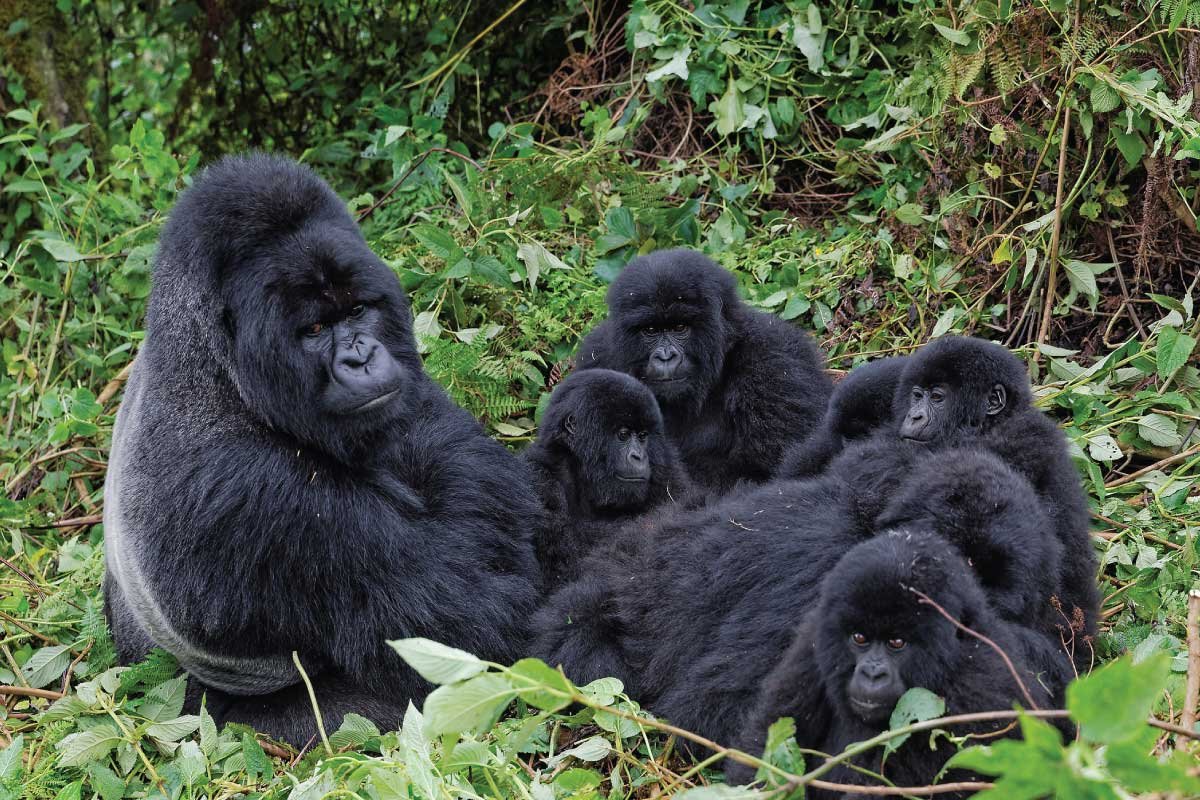
Meanwhile, the Habinyanja gorilla family is known for its complex social dynamics and larger group interactions. Visitors frequently observe playful juveniles, dominant silverbacks, and mothers caring for infants within dense rainforest clearings.
Additionally, the Rushegura family has become popular because of its calm temperament and moderate trekking accessibility. Many first-time visitors appreciate the group’s relaxed behavior during gorilla encounters.
The newer Katwe gorilla family also contributes to permit availability within Northern Bwindi while offering highly authentic rainforest trekking experiences.
Together, these gorilla families create remarkable trekking diversity while supporting long-term conservation efforts in Uganda.
What Gorilla Trekking in Northern Bwindi Feels Like
The experience begins early in the morning at the Uganda Wildlife Authority briefing center in Buhoma.
Before entering the forest, rangers explain trekking regulations, safety procedures, and gorilla conservation guidelines. Visitors are then assigned gorilla families according to permit allocation and physical fitness levels.
Once trekking begins, travelers move through dense rainforest trails filled with birds, vines, giant tree roots, waterfalls, and steep muddy paths.
Meanwhile, trackers move ahead searching for fresh gorilla signs such as feeding remains, broken vegetation, and nesting areas.
As the trek continues, the forest atmosphere becomes quieter and more immersive. Mist drifts through the canopy while distant bird calls echo across the valleys.
Eventually, the ranger team signals that the gorilla family is nearby.
At that moment, the trekking experience changes completely.
Visitors approach slowly and quietly before entering a small forest clearing where mountain gorillas feed, rest, groom, and interact naturally.
Watching a silverback calmly observing the group while juveniles play nearby creates an emotional experience that many travelers describe as life-changing.
The physical effort required to reach the gorillas often makes the encounter feel even more rewarding.
Why Many Travelers Choose Northern Bwindi Instead of Southern Bwindi
Choosing between Northern and Southern Bwindi depends largely on travel style, fitness level, and safari expectations.
Northern Bwindi generally appeals more to travelers seeking smoother logistics and balanced trekking conditions.
In contrast, Southern Bwindi sectors such as Rushaga and Nkuringo are often steeper, more physically demanding, and more remote.
Northern Bwindi also connects more efficiently with Queen Elizabeth National Park, allowing travelers to combine gorilla trekking with traditional savannah wildlife safaris.
Additionally, Buhoma contains some of the strongest tourism infrastructure in Bwindi. Luxury eco-lodges, mid-range forest camps, and comfortable safari accommodations make the experience more accessible for travelers wanting higher comfort levels.
However, Northern Bwindi still delivers highly authentic rainforest trekking rather than a simplified wildlife experience.
The balance between accessibility and immersion is what makes the region especially attractive.
Trekking Difficulty in Northern Bwindi
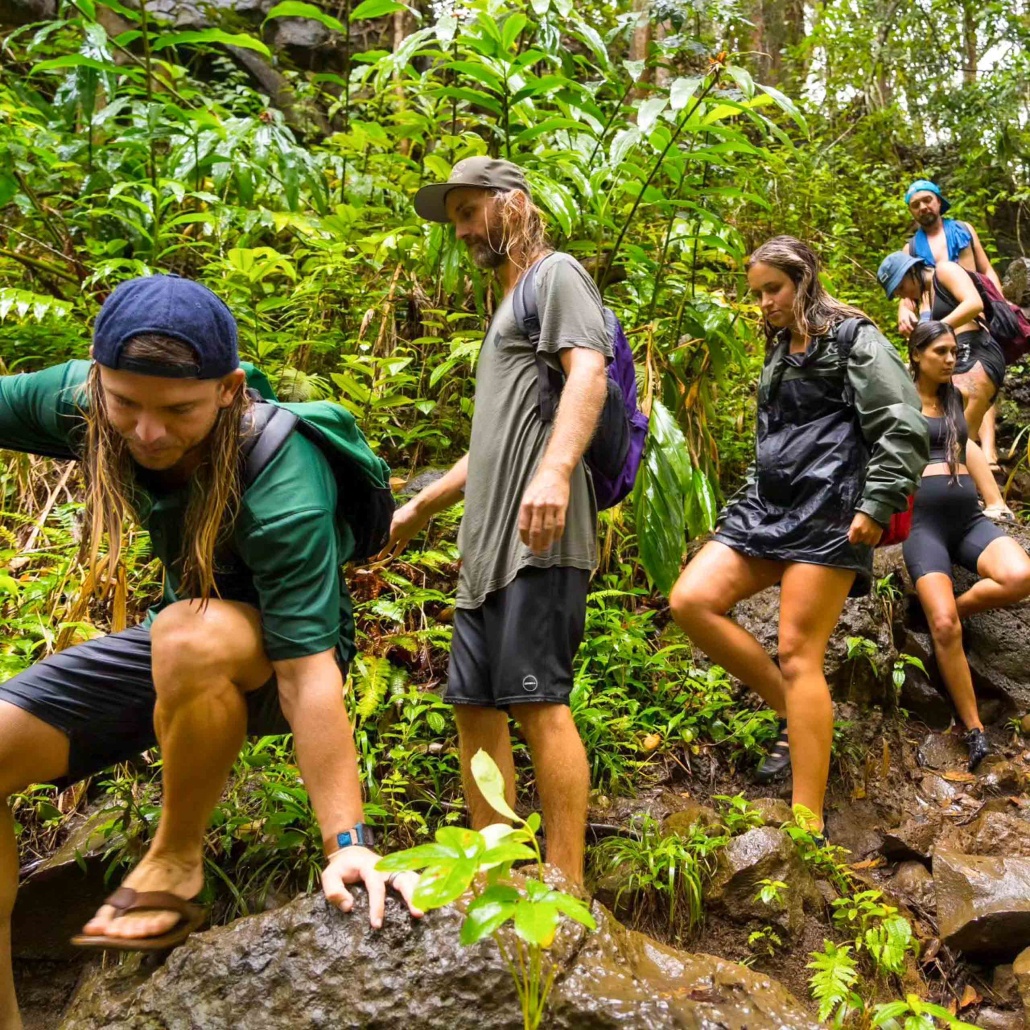
Many travelers worry about the physical challenge before booking Gorilla Trekking in Northern Bwindi.
Although Buhoma is generally considered less demanding than Nkuringo, trekking conditions still vary significantly depending on gorilla movement patterns and weather conditions.
Some treks may last only a few hours, while others involve longer hikes through steep forest terrain.
During rainy periods, trails become muddy and slippery. Consequently, trekking can feel physically demanding even in moderate sections of the forest.
However, ranger teams carefully allocate groups according to visitor fitness whenever possible.
Hiring a local porter also improves comfort significantly while supporting nearby communities economically.
For most reasonably active travelers, Northern Bwindi remains manageable with proper preparation.
Gorilla Conservation in Northern Bwindi
Gorilla Trekking in Northern Bwindi plays a major role in global mountain gorilla conservation.
Decades ago, mountain gorillas faced severe threats from habitat destruction, poaching, and regional instability.
However, carefully regulated tourism transformed conservation efforts by generating sustainable funding for wildlife protection and community development.
Today, permit revenue supports:
- anti-poaching patrols
- veterinary interventions
- ranger training
- rainforest protection
- local employment opportunities
As a result, surrounding communities increasingly benefit from protecting gorillas rather than exploiting forest resources.
Northern Bwindi therefore stands as one of Africa’s strongest conservation success stories.
Best Time for Gorilla Trekking in Northern Bwindi
Gorilla Trekking in Northern Bwindi operates throughout the year because mountain gorillas remain inside the rainforest permanently.
However, dry seasons generally provide easier hiking conditions and clearer trekking trails.
These months usually occur between June and September as well as December and February.
Meanwhile, wetter seasons bring heavier rainfall and muddier terrain. Nevertheless, the rainforest becomes greener, quieter, and more atmospheric during these periods.
Photographers often prefer rainy months because mist-covered forests create dramatic visual conditions.
Consequently, the best travel season depends on whether visitors prioritize easier trekking, fewer tourists, photography, or overall safari comfort.
Accommodation Experience in Northern Bwindi

Northern Bwindi contains some of the best accommodation options within Bwindi Impenetrable National Park.
Luxury eco-lodges overlook the rainforest canopy while offering premium hospitality and close proximity to trekking briefing points.
Additionally, mid-range safari lodges and comfortable forest camps provide excellent alternatives for travelers seeking balanced pricing and comfort.
Many accommodations also support conservation initiatives and local community projects, further strengthening sustainable tourism throughout the region.
Because of Buhoma’s established tourism infrastructure, travelers often find Northern Bwindi more logistically convenient than remote sectors elsewhere in the park.
FAQs About Gorilla Trekking in Northern Bwindi
What is Gorilla Trekking in Northern Bwindi?
It is the guided experience of tracking mountain gorillas in the Buhoma sector of Bwindi Impenetrable National Park in Uganda.
Is Northern Bwindi easier than Southern Bwindi?
Generally, yes. Northern Bwindi often provides more moderate trekking conditions compared to the steeper terrain found in southern sectors such as Nkuringo.
Which gorilla families are found in Northern Bwindi?
The main habituated families include Mubare, Habinyanja, Rushegura, and Katwe.
How much is a gorilla permit in Northern Bwindi?
As of 2026, foreign non-resident gorilla permits cost approximately USD 800 per person.
Is Gorilla Trekking in Northern Bwindi safe?
Yes. Uganda Wildlife Authority rangers guide all treks and maintain strict safety and conservation protocols.
What makes Northern Bwindi unique?
Northern Bwindi combines historic gorilla trekking, accessible rainforest experiences, strong conservation success, and excellent safari infrastructure within one destination.
Final Thoughts
Gorilla Trekking in Northern Bwindi offers one of the most unforgettable wildlife experiences in the world. Through the famous Buhoma sector, travelers encounter endangered mountain gorillas while exploring one of Africa’s oldest rainforest ecosystems.
Moreover, Northern Bwindi successfully combines conservation, accessibility, authentic adventure, and sustainable tourism. Whether visitors seek first-time gorilla trekking experiences, luxury rainforest lodges, or deeper wildlife immersion, the region delivers extraordinary encounters within a truly remarkable environment.
Most importantly, every gorilla permit purchased contributes directly to protecting mountain gorillas and preserving the future of Bwindi Impenetrable National Park for generations to come.


