
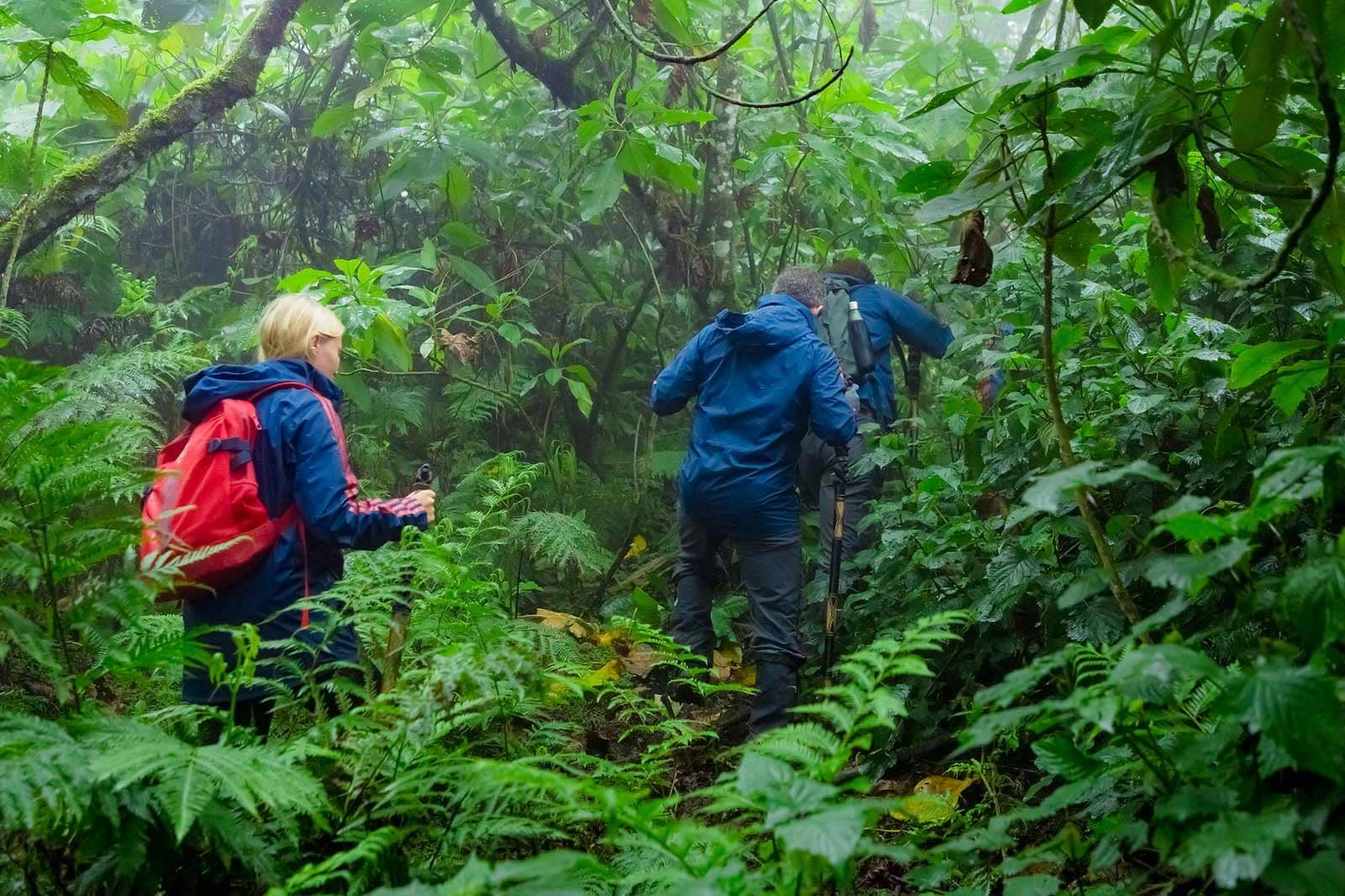
Gorilla trekking in October offers travelers a remarkable opportunity to encounter endangered mountain gorillas in the mist-covered forests of East Africa. Every year, thousands of visitors travel to Uganda and Rwanda to experience one of the world’s most extraordinary wildlife encounters. While many people focus on the dry-season months of June, July, August, and September, October remains an excellent time for gorilla trekking and often comes with unique advantages that experienced travelers appreciate.
As October marks the transition into the short rainy season, the forests become increasingly vibrant and lush. At the same time, trekking remains highly rewarding because mountain gorillas can be tracked successfully throughout the year. Consequently, visitors who choose October often enjoy beautiful scenery, fewer crowds, and memorable wildlife encounters.
Whether you are planning your first gorilla safari or comparing different travel months, this guide explains everything you need to know about gorilla trekking in October. From weather conditions and permit availability to packing advice and conservation benefits, you will discover why October deserves serious consideration when planning your African adventure.
Is October a Good Time for Gorilla Trekking?
Yes. October is a great month for gorilla trekking because mountain gorillas can be tracked year-round. Although light rains occur, visitors benefit from lush scenery, fewer crowds, and excellent wildlife encounters.
Although October falls within the beginning of the short rainy season in East Africa, it remains a highly recommended time for visiting mountain gorillas. Unlike traditional wildlife safaris that can be heavily influenced by seasonal animal migrations, gorilla trekking takes place year-round because the gorillas stay within protected forest habitats.
Furthermore, experienced guides track gorilla families daily regardless of weather conditions. Therefore, your chances of finding mountain gorillas remain extremely high throughout October.
Another advantage is that October often falls between major tourism peaks. As a result, travelers may enjoy a more relaxed experience while still benefiting from excellent trekking opportunities.
What Is the Weather Like During Gorilla Trekking in October?
Weather plays an important role when planning any safari. Fortunately, understanding October conditions helps visitors prepare appropriately.
In Uganda, gorilla trekking takes place mainly in Bwindi Impenetrable National Park and Mgahinga Gorilla National Park. During October, temperatures generally range between 17°C and 25°C. Mornings tend to be cool, while afternoons remain comfortable for hiking.
Meanwhile, Rwanda’s Volcanoes National Park experiences similar temperatures. The mountainous environment creates cool conditions throughout the day, which many travelers find ideal for trekking.
Although October sees more rainfall than September, showers are often intermittent rather than continuous. In many cases, rain falls during the night or early morning before clearing later in the day.
Moreover, the rainforest environment naturally remains humid throughout the year. Therefore, visitors should always prepare for changing weather conditions regardless of the season.
Why October Can Be an Underrated Month for Gorilla Trekking
Many travelers automatically focus on the dry season when planning their safari. However, October offers several advantages that are often overlooked.
The first benefit is the exceptional beauty of the forests. As rainfall increases, vegetation becomes greener and more vibrant. Consequently, the landscapes appear especially photogenic during this period.
In addition, fewer visitors travel during October compared to the peak months. This can translate into greater accommodation availability and, in some cases, more competitive pricing.
Photography enthusiasts also appreciate the dramatic atmosphere created by misty mountains, lush forests, and soft natural lighting. These conditions often produce stunning images that capture the essence of the gorilla trekking experience.
Most importantly, mountain gorillas remain active and accessible throughout October. Therefore, visitors do not sacrifice wildlife viewing quality by choosing this month.
Gorilla Trekking Destinations in October
East Africa offers several outstanding destinations for gorilla trekking. Each location provides unique experiences while maintaining the same core attraction: spending time with endangered mountain gorillas.
Bwindi Impenetrable National Park
Bwindi remains the most popular gorilla trekking destination in Africa. Located in southwestern Uganda, the park protects nearly half of the world’s remaining mountain gorillas.
The park contains multiple trekking sectors, including Buhoma, Ruhija, Rushaga, and Nkuringo. Each sector hosts habituated gorilla families that visitors can track under the guidance of experienced rangers.
Because Bwindi contains dense rainforest, visitors often enjoy rich biodiversity beyond gorillas. Birds, butterflies, monkeys, and unique plant species contribute to an immersive wilderness experience.
Mgahinga Gorilla National Park
Although smaller than Bwindi, Mgahinga offers an equally rewarding gorilla trekking experience.
The park sits within the Virunga Conservation Area and features spectacular volcanic scenery. Visitors frequently combine gorilla trekking with cultural experiences and volcano hiking opportunities.
Its quieter atmosphere also appeals to travelers seeking a less crowded safari experience.
Volcanoes National Park
Located in Rwanda, Volcanoes National Park is renowned for its luxury gorilla trekking experiences.
The park’s accessibility from Kigali makes it particularly attractive to travelers with limited time. In addition, Rwanda’s tourism infrastructure provides high-end accommodation and premium safari services.
For luxury travelers, Volcanoes National Park remains one of Africa’s most prestigious wildlife destinations.
Gorilla Permits in October
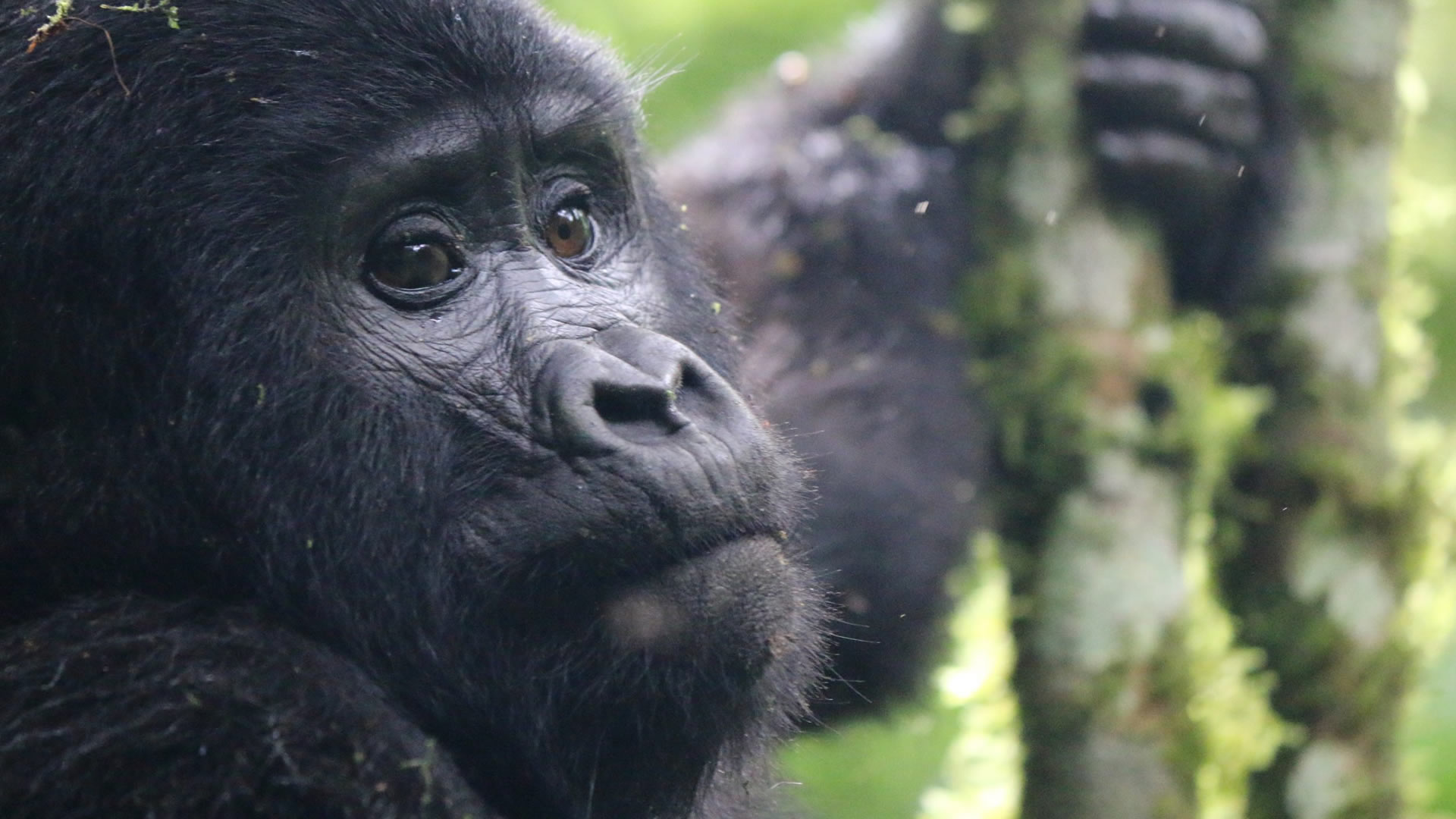
Securing a gorilla permit is one of the most important aspects of trip planning.
A gorilla permit grants visitors the opportunity to spend one hour with a habituated gorilla family after locating them in the forest. Because governments strictly regulate visitor numbers, permits help protect gorillas while supporting conservation efforts.
October generally offers better permit availability than the peak months of July and August. Nevertheless, permits can still sell out, especially for popular trekking sectors and luxury safari itineraries.
Therefore, booking several months in advance remains highly recommended.
Early reservations provide greater flexibility when selecting travel dates, accommodation options, and trekking sectors.
What Happens During a Gorilla Trek?
The gorilla trekking experience begins early in the morning at the park headquarters.
Visitors first attend a briefing conducted by park rangers. During this session, guides explain trekking procedures, safety guidelines, and gorilla conservation rules.
Afterward, visitors are assigned to specific gorilla families. Group assignments often consider age, fitness level, and trekking preferences.
Once assignments are complete, trekkers enter the forest alongside experienced guides and trackers.
The duration of the trek varies considerably. Some gorilla families may be located within an hour, while others require several hours of hiking through mountainous terrain.
Upon finding the gorillas, visitors are allowed one hour to observe them.
During this unforgettable encounter, guests often witness family interactions, feeding behavior, grooming activities, playful juveniles, and the impressive presence of dominant silverbacks.
For many travelers, this single hour becomes the defining moment of their entire African journey.
How Difficult Is Gorilla Trekking in October?
Many first-time visitors wonder whether gorilla trekking is physically demanding.
The answer depends largely on individual fitness levels and the location of the assigned gorilla family.
Some treks involve relatively moderate hiking, while others require navigating steep slopes and dense vegetation.
October’s occasional rainfall can make certain sections of the trail muddy. However, experienced guides assist visitors throughout the trek and adjust the pace as necessary.
Most travelers with average fitness levels successfully complete the experience.
Preparing through regular walking, hiking, or cardiovascular exercise before your trip can significantly improve comfort and enjoyment.
What to Pack for Gorilla Trekking in October
Packing appropriately is essential because October weather can vary throughout the day.
Waterproof hiking boots are among the most important items. Since trails may become slippery after rainfall, proper footwear improves both safety and comfort.
Long trousers and long-sleeved shirts help protect against vegetation and insects. Meanwhile, a lightweight waterproof jacket provides valuable protection from unexpected showers.
Gloves are also useful because trekkers often grasp branches and vegetation while navigating forest trails.
A comfortable daypack allows visitors to carry water, snacks, cameras, and additional clothing layers.
Although temperatures remain moderate, dressing in layers helps accommodate changing conditions throughout the day.
Gorilla Trekking Costs in October
The overall cost of a gorilla safari varies depending on several factors, including destination, accommodation level, transportation arrangements, and trip duration.
Budget travelers often choose road transfers and mid-range lodges. Meanwhile, luxury travelers may select premium accommodations and fly-in safari packages.
October can sometimes offer better accommodation rates compared to peak-season months. Therefore, travelers seeking value may find attractive opportunities during this period.
Regardless of budget level, gorilla trekking remains one of the most rewarding wildlife investments available in Africa.
Combining Gorilla Trekking with Other Safari Experiences
One of the greatest advantages of visiting Uganda is the ability to combine gorilla trekking with other remarkable wildlife experiences.
Many travelers pair gorilla trekking with safaris in Queen Elizabeth National Park, where lions, elephants, buffaloes, and hippos can be observed.
Others continue to Murchison Falls National Park for boat cruises and game drives.
Chimpanzee trekking in Kibale Forest National Park also complements gorilla trekking exceptionally well. Together, these experiences create a comprehensive primate safari unlike anywhere else in the world.
Consequently, Uganda remains one of Africa’s most diverse safari destinations.
The Conservation Impact of Gorilla Tourism
Gorilla trekking contributes directly to conservation success across East Africa.
Permit revenue funds anti-poaching operations, ranger patrols, habitat protection initiatives, and community development programs.
Furthermore, tourism creates economic incentives for local communities to support conservation efforts.
This model has helped mountain gorilla populations recover significantly over recent decades. Today, mountain gorillas represent one of the world’s most successful wildlife conservation stories.
When travelers participate in gorilla trekking, they actively contribute to protecting these endangered animals for future generations.
Why Book Gorilla Trekking in October?
October offers an appealing combination of favorable trekking conditions, beautiful scenery, and reduced tourism pressure.
The forests are lush and vibrant. Gorilla sightings remain exceptional. Accommodation availability often improves. Additionally, travelers may encounter fewer crowds than during peak months.
For visitors seeking authentic wildlife encounters and outstanding photographic opportunities, October delivers a rewarding experience.
Moreover, the possibility of lower seasonal accommodation rates can improve overall trip value.
Final Thoughts on Gorilla Trekking in October
Gorilla trekking in October remains one of East Africa’s best-kept safari secrets. While some travelers focus exclusively on the dry season, October offers unique advantages that deserve attention.
The combination of lush rainforest scenery, excellent gorilla viewing opportunities, and potentially fewer visitors creates an appealing travel experience. Furthermore, mountain gorillas can be successfully tracked throughout the month, ensuring that visitors enjoy meaningful wildlife encounters regardless of seasonal weather changes.
With proper planning, suitable gear, and early permit reservations, October can provide an unforgettable gorilla trekking adventure that rivals any other month of the year.
Our Experience with Gorilla Trekking in October
Over the years, our safari team has guided travelers through Bwindi and Mgahinga during October. We consistently find that morning treks often begin with mist-covered forests before opening into clear conditions later in the day. Many guests appreciate the quieter atmosphere compared to peak-season months
Frequently Asked Questions About Gorilla Trekking in October
Is October a good month for gorilla trekking?
Yes. October offers excellent gorilla trekking opportunities, beautiful forest scenery, and generally fewer crowds than peak-season months.
Does rain affect gorilla trekking in October?
Not significantly. Although rainfall increases during October, gorilla treks operate daily, and guides successfully locate gorilla families throughout the month.
What should I wear for gorilla trekking in October?
Wear waterproof hiking boots, long trousers, long-sleeved shirts, and a lightweight rain jacket. Layered clothing works best because weather conditions can change during the trek.
Should I book gorilla permits in advance for October?
Absolutely. While permit availability may be better than in peak season, booking several months ahead ensures greater flexibility and access to preferred trekking dates.


