
Few wildlife experiences compare to standing face-to-face with a mountain gorilla in the mist-covered forests of Uganda. Every year, thousands of travelers journey to Bwindi Impenetrable National Park and Mgahinga Gorilla National Park to witness one of the world’s rarest primates in its natural habitat. Before you begin planning that once-in-a-lifetime adventure, understanding gorilla trekking permit costs in Uganda is essential.
The gorilla permit is the single most important part of any gorilla safari because it grants legal access to trek a habituated gorilla family. Uganda remains the best-value destination for gorilla trekking in Africa, especially when compared to neighboring Rwanda, where permits are significantly more expensive. In 2026, Uganda continues to attract travelers looking for authentic gorilla encounters, strong conservation efforts, and more affordable safari packages.
This updated guide explains the latest gorilla trekking permit prices in Uganda, what the permit includes, how booking works, seasonal discounts, hidden costs, and expert strategies for securing permits before they sell out.
What Is a Gorilla Trekking Permit?
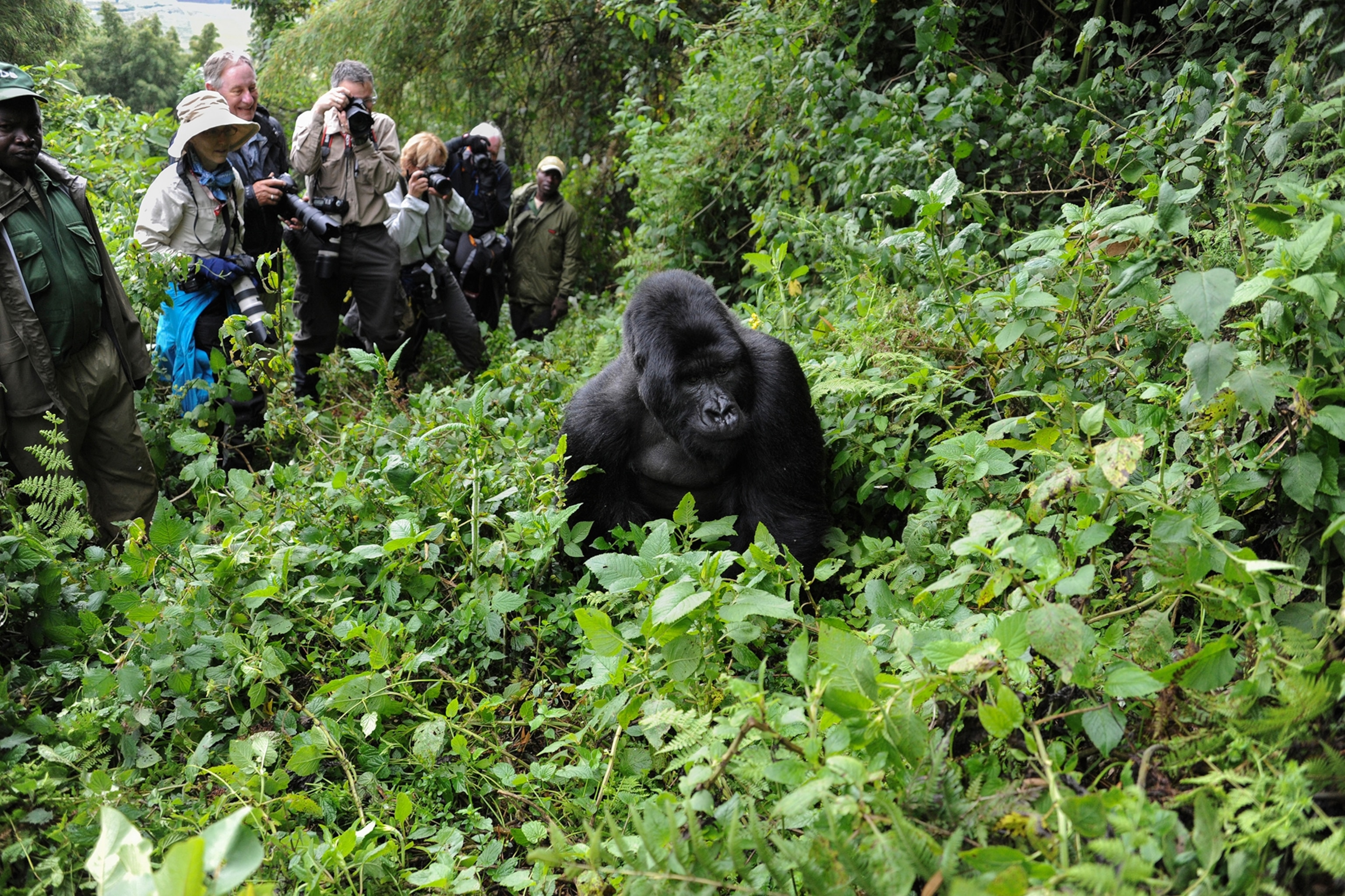
A gorilla trekking permit is an official document issued by the Uganda Wildlife Authority that allows one visitor to trek a habituated mountain gorilla family on a specific date. Without a valid permit, no visitor can participate in gorilla trekking in Uganda.
The permit also regulates tourism numbers to protect endangered mountain gorillas from stress, habitat disruption, and disease transmission. Only a limited number of visitors can trek each gorilla family per day, making permits highly competitive during peak travel seasons.
Uganda’s gorilla permits apply to both Bwindi Impenetrable National Park and Mgahinga Gorilla National Park. Bwindi hosts the majority of Uganda’s habituated gorilla families and remains the most popular trekking destination in East Africa.
Updated Gorilla Trekking Permit Costs in Uganda for 2026
The Uganda Wildlife Authority maintained its gorilla permit pricing structure through 2026, with rates originally introduced under the 2024–2026 conservation tariff.
Standard Gorilla Trekking Permit Prices
| Visitor Category | Permit Cost |
|---|---|
| Foreign Non-Residents | USD 800 |
| Foreign Residents | USD 700 |
| Rest of Africa Citizens | USD 500 |
| East African Citizens | UGX 300,000 |
These prices apply to the standard gorilla trekking experience, which includes one hour with a habituated gorilla family after locating them in the forest.
For most international travelers, the USD 800 permit fee represents the largest portion of the safari budget. However, Uganda still offers considerably better value than Rwanda, where permits remain among the most expensive in Africa.
Gorilla Habituation Permit Costs
Uganda also offers a more immersive experience known as gorilla habituation, available only in the Rushaga sector of Bwindi. Unlike standard trekking, habituation allows visitors to spend up to four hours with semi-habituated gorillas alongside researchers and trackers.
Gorilla Habituation Permit Prices
| Visitor Category | Habituation Permit Cost |
|---|---|
| Foreign Non-Residents | USD 1,500 |
| Foreign Residents | USD 1,000 |
| Rest of Africa Citizens | USD 1,000 |
| East African Citizens | UGX 750,000 |
This experience attracts photographers, wildlife enthusiasts, conservation travelers, and visitors seeking longer gorilla encounters.
What the Gorilla Permit Include
Many travelers assume the permit only covers entry into the park, but it actually funds several important services tied directly to conservation and visitor safety.
A Uganda gorilla trekking permit includes park entrance fees, ranger guide services, armed security during the trek, gorilla tracking teams, pre-trek briefings, and one hour with a habituated gorilla family. A percentage of every permit sold also supports community development and conservation projects around gorilla habitats.
The permit does not include accommodation, transportation, porter fees, tips, meals, flights, visas, or travel insurance. Those additional expenses significantly affect the overall safari cost.
Why Gorilla Permits Are Expensive
Many travelers initially wonder why Gorilla Trekking Permit Costs in Uganda appear expensive. However, the permit fees support critical conservation efforts that help protect one of the world’s rarest primates. In fact, gorilla tourism has become one of Africa’s greatest conservation success stories.
Revenue from gorilla permits supports ranger salaries, anti-poaching patrols, veterinary care, scientific research, and habitat protection. Additionally, part of the revenue funds local community development projects surrounding gorilla habitats. Because communities benefit directly from tourism income, they are more motivated to protect forests and wildlife instead of engaging in destructive activities.
The permit fee also includes ranger guide services, security during the trek, pre-trekking briefings, and one hour with a habituated gorilla family. Therefore, the permit represents much more than simple park entry access.
Best Time to Book Gorilla Trekking Permits in Uganda
Because Gorilla Trekking Permit Costs in Uganda are tied to limited daily allocations, early booking remains extremely important. Typically, the busiest travel seasons occur between June and September as well as December through February. During these periods, permits often sell out months in advance.
Therefore, travelers planning peak-season gorilla safaris should ideally reserve permits six to twelve months before their intended travel dates. Early booking not only secures permit availability but also provides better accommodation and itinerary options.
Uganda sometimes introduces discounted permits during low tourism seasons, especially in April, May, and November. Although these months experience heavier rainfall, they also offer fewer crowds and greener landscapes. As a result, budget-conscious travelers often prefer low-season gorilla trekking experiences.
Bwindi and Mgahinga Gorilla Trekking Experiences
Bwindi Impenetrable National Park remains Uganda’s most popular gorilla trekking destination because it hosts the highest number of habituated gorilla families. Additionally, the park contains multiple trekking sectors including Buhoma, Ruhija, Rushaga, and Nkuringo, each offering unique landscapes and trekking experiences.
Mgahinga Gorilla National Park, meanwhile, provides a quieter and less crowded alternative. Although smaller than Bwindi, Mgahinga still delivers exceptional gorilla encounters combined with stunning volcanic scenery near the Virunga mountain ranges.
Importantly, the Gorilla Trekking Permit Costs in Uganda remain the same regardless of whether travelers choose Bwindi or Mgahinga for their trekking adventure.
Total Safari Expenses Beyond Gorilla Permit Costs in Uganda
While the gorilla permit forms the main safari expense, the total cost of a gorilla safari in Uganda depends on several additional factors. These factors include accommodation standards, transportation choices, travel duration, and personal preferences.
Budget gorilla safaris generally range between USD 1,200 and USD 1,600 per person for short trips including permits, transport, accommodation, and meals. Meanwhile, mid-range safaris usually cost between USD 2,000 and USD 3,500 depending on lodge quality and itinerary structure.
Luxury gorilla trekking experiences, however, can exceed USD 5,000 per person when travelers choose premium lodges, charter flights, and private safari services. Furthermore, travelers should budget for porter fees, guide tips, hiking gear, visas, and personal travel expenses.
Why Uganda Offers Better Gorilla Trekking Value
Compared to Rwanda, Gorilla Trekking Permit Costs in Uganda remain significantly more affordable while still delivering world-class wildlife encounters. Consequently, Uganda has become the preferred destination for travelers seeking excellent value without compromising the quality of the experience.
Besides gorilla trekking, Uganda also offers a wide range of safari experiences including chimpanzee trekking, wildlife game drives, boat safaris, birdwatching, and cultural tours. Therefore, many travelers combine gorilla trekking with other safari adventures to create longer and more rewarding East African itineraries.
Uganda’s rich biodiversity, scenic landscapes, and conservation achievements continue to strengthen its reputation as Africa’s leading gorilla trekking destination.
Conclusion
Gorilla Trekking Permit Costs in Uganda continue to provide exceptional value for travelers seeking one of the world’s most unforgettable wildlife experiences. Although the permit fee may appear expensive at first, it directly contributes to mountain gorilla conservation and community development around protected forests.
More importantly, gorilla trekking offers a deeply emotional and life-changing encounter with endangered mountain gorillas in their natural environment. Watching gorillas feed, interact, and care for their young creates memories that remain unforgettable long after the safari ends.
For anyone planning a gorilla safari in 2026, early preparation remains essential because permit demand continues to rise every year. Ultimately, Uganda continues to stand out as Africa’s top gorilla trekking destination because it combines affordability, conservation success, and extraordinary wildlife encounters in one remarkable experience.


