
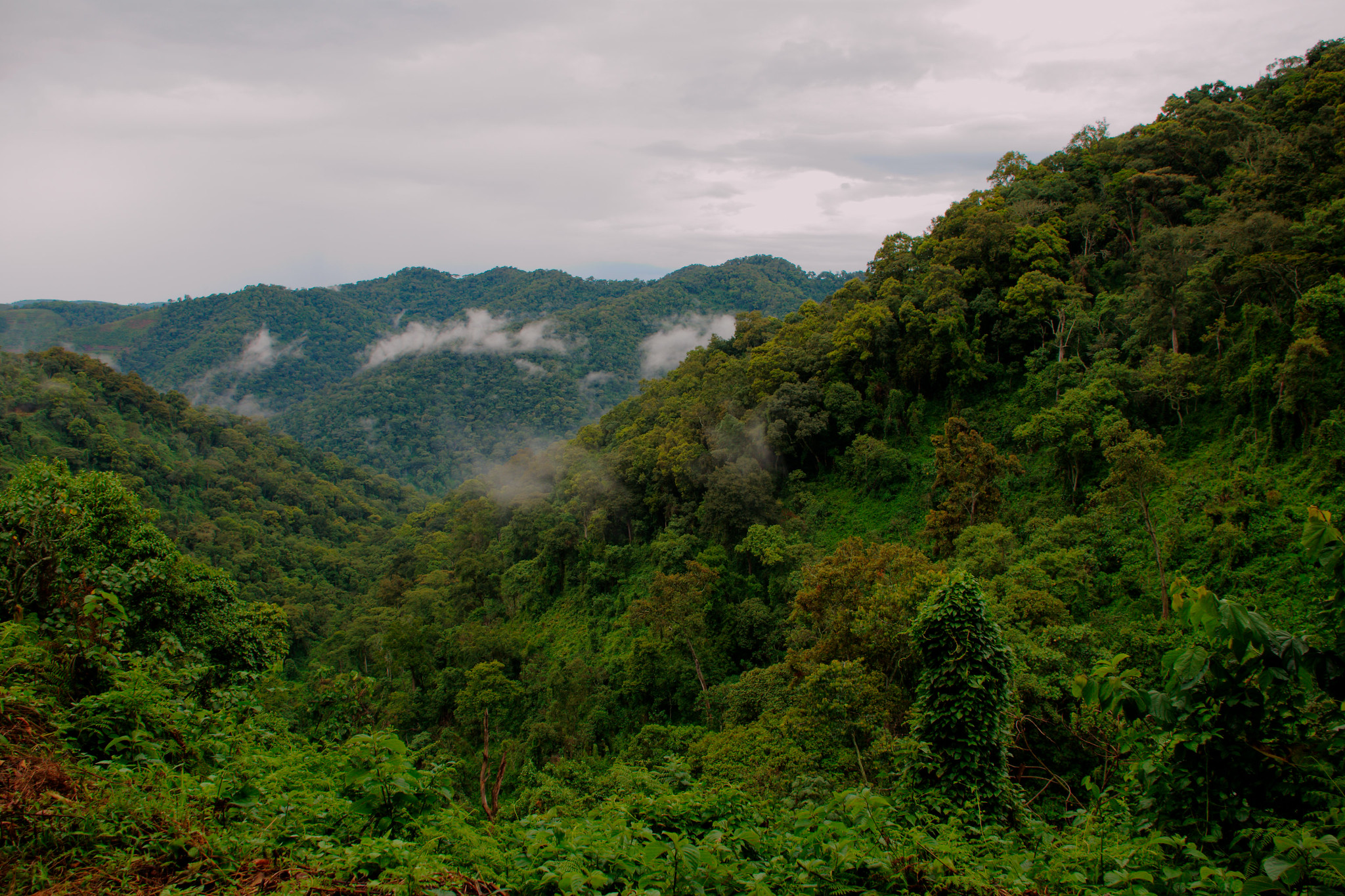
Gorilla trekking travel insurance is one of the most overlooked yet essential parts of planning a Uganda gorilla safari. Every year, thousands of travelers visit Uganda to experience mountain gorillas in their natural habitat, particularly in Bwindi Impenetrable National Park and Mgahinga Gorilla National Park. While most visitors focus on securing permits, booking lodges, and arranging transportation, many underestimate the importance of comprehensive travel insurance.
A gorilla trekking adventure involves hiking through dense rainforest, navigating steep terrain, and traveling to remote regions of southwestern Uganda. Although Uganda remains one of Africa’s safest safari destinations, unforeseen circumstances can occur. Flight delays, medical emergencies, trip interruptions, lost luggage, and weather-related disruptions can quickly transform an exciting journey into a costly experience.
Travel insurance provides financial protection and peace of mind. More importantly, it allows travelers to focus on enjoying one of the world’s most remarkable wildlife encounters. Furthermore, it reduces stress when unexpected challenges arise before or during the safari. As a result, visitors can concentrate on the experience rather than potential financial risks.
For anyone planning gorilla trekking in Uganda, understanding how travel insurance works and why it matters is just as important as obtaining a gorilla permit.
Why Gorilla Trekking Travel Insurance Matters
Gorilla trekking differs significantly from a traditional holiday. Unlike a city tour or beach vacation, trekkers hike through dense rainforest, cross uneven terrain, and travel to remote regions of southwestern Uganda. Consequently, travelers face risks that standard vacations rarely present.
Moreover, many visitors spend years planning their gorilla safari. A single gorilla permit represents a major investment, while flights, accommodation, and transportation increase the overall trip cost. Therefore, travelers should protect their investment before departure.
For example, delayed luggage can leave trekkers without hiking boots or rain gear. Similarly, severe weather can disrupt domestic travel schedules. In addition, illness before departure can force travelers to postpone their safari. Because of these possibilities, comprehensive travel insurance becomes an essential part of trip planning.
A Real Gorilla Trekking Experience: Why Insurance Became Essential
During a gorilla trekking expedition in Bwindi’s Rushaga sector, a group of trekkers encountered heavy rainfall throughout the morning. The forest trails became slippery, and one visitor lost footing while descending a steep section of the trail.
Although the injury was relatively minor, the individual required medical evaluation after returning from the trek. Fortunately, comprehensive travel insurance covered the consultation and related expenses.
On another occasion, international travelers experienced significant flight delays while connecting through East Africa. Their arrival in Uganda was postponed, placing their scheduled gorilla permits at risk. Travel insurance helped recover costs associated with itinerary adjustments and additional accommodation.
These situations illustrate why experienced safari operators strongly recommend travel insurance for every gorilla trekking visitor.
Understanding Uganda Gorilla Trekking Permits
Before purchasing travel insurance, travelers should understand the value of a gorilla trekking permit. Uganda Wildlife Authority manages access to mountain gorillas through a strict permit system. As a result, only a limited number of visitors can trek each gorilla family every day.
Gorilla Permit Costs
| Destination | Gorilla Permit Cost |
|---|---|
| Uganda | $800 |
| Rwanda | $1,500 |
| Congo | Varies by season |
Furthermore, demand remains high throughout the year, especially during peak travel months. Therefore, many visitors reserve permits several months in advance. Since permits require a substantial financial commitment, travelers often choose insurance that includes trip cancellation and interruption benefits.
What Gorilla Trekking Travel Insurance Should Cover
Not all travel insurance policies are suitable for gorilla trekking.
Travelers should seek policies that specifically include adventure tourism activities. Coverage should extend beyond standard medical expenses to include emergency evacuation, trip cancellation, baggage protection, and travel delays.
Medical evacuation coverage is especially important because trekking takes place in remote forest environments. Although serious incidents are rare, evacuation costs can be substantial.
Likewise, cancellation coverage protects investments in permits, accommodations, and transportation if unexpected circumstances prevent travel.
The best policies also provide 24-hour emergency assistance services, offering support whenever challenges arise during international travel.
Weather Conditions and Their Impact on Gorilla Trekking
Weather plays an important role in Uganda gorilla safaris. Understanding seasonal conditions helps travelers choose suitable insurance coverage and prepare adequately.
Uganda Gorilla Trekking Weather Conditions
| Season | Months | Rainfall Level | Trekking Conditions |
| Dry Season | June–August | Low | Excellent |
| Dry Season | December–February | Low | Excellent |
| Rainy Season | March–May | High | Challenging |
| Rainy Season | October–November | Moderate to High | Variable |
During rainy periods, trails become muddy and transportation disruptions occasionally occur. Consequently, travel insurance that includes weather-related interruptions becomes increasingly valuable.
Months When Rainstorms Are Most Common
Rainstorms occur throughout the year in Uganda’s rainforest regions, although certain months experience higher rainfall levels.
| Month | Rainstorm Probability |
| January | Low |
| February | Low |
| March | Moderate |
| April | Very High |
| May | High |
| June | Low |
| July | Low |
| August | Low |
| September | Moderate |
| October | High |
| November | High |
| December | Moderate |
Travelers visiting during April, May, October, and November should pay particular attention to travel interruption and weather-related coverage.
Sector Analysis: Gorilla Trekking Regions in Bwindi
Bwindi Impenetrable National Park contains four major trekking sectors. Each offers unique experiences and terrain characteristics.
Buhoma Sector
Buhoma is the most established trekking region and is often favored by first-time visitors. Trails vary in difficulty, although some routes are relatively accessible.
Travel insurance remains important because hiking conditions can still become demanding during rainy periods.
Ruhija Sector
Ruhija sits at higher elevations and often experiences cooler temperatures. Rainfall can be more frequent, particularly during wet seasons.
Visitors trekking here should ensure their insurance covers outdoor adventure activities and potential weather disruptions.
Rushaga Sector
Rushaga contains the largest concentration of habituated gorilla families. It is one of the most popular sectors for gorilla trekking in Uganda.
Because of its popularity, travelers frequently book permits months in advance. Insurance coverage protecting permit-related investments is particularly beneficial.
Nkuringo Sector
Nkuringo is known for its spectacular scenery and challenging terrain. Treks often involve steep ascents and descents.
Consequently, comprehensive medical and evacuation coverage becomes especially important for visitors choosing this sector.
Comparison of Bwindi Sectors
| Sector | Difficulty | Rainfall Exposure | Popularity |
| Buhoma | Moderate | Moderate | High |
| Ruhija | Moderate | High | Medium |
| Rushaga | Moderate | Moderate | Very High |
| Nkuringo | Challenging | High | High |
Medical Considerations for Gorilla Trekkers
Gorilla trekking requires physical effort, particularly in sectors such as Nkuringo and Ruhija. Therefore, visitors should assess their fitness levels before traveling to Uganda.
Additionally, travelers should choose insurance that covers medical treatment, emergency transportation, and evacuation services. While most trekkers complete their hikes successfully, accidents and illnesses can occur unexpectedly.
Furthermore, visitors with pre-existing medical conditions should review policy terms carefully before purchasing coverage. Likewise, older travelers may benefit from consulting healthcare professionals before.
Trip Cancellation and Interruption Protection
One of the most valuable components of gorilla trekking travel insurance is trip cancellation protection.
Unexpected events such as illness, family emergencies, severe weather, or airline disruptions can affect travel plans.
Given the cost of international flights, accommodations, and permits, cancellation protection can save travelers thousands of dollars.
Likewise, interruption coverage assists travelers who must shorten their safari due to unforeseen circumstances.
Cost Comparison: Gorilla Safari Expenses vs Insurance
Many travelers hesitate to purchase insurance because they view it as an additional expense. However, compared to the overall cost of a gorilla safari, insurance represents a relatively small investment.
| Expense | Typical Cost |
| Gorilla Permit | $800 |
| Safari Accommodation | $150–$800 per night |
| Transport and Transfers | $200–$1,000+ |
| International Flights | $600–$2,000+ |
| Travel Insurance | $80–$300 |
The cost of insurance is often minimal compared to the potential financial losses associated with cancellations or emergencies.
Choosing the Right Gorilla Trekking Travel Insurance
Selecting the right policy requires careful evaluation of coverage details.
Travelers should verify that gorilla trekking is included under covered activities. They should also confirm emergency medical limits, evacuation benefits, cancellation protection, and baggage coverage.
Policies specifically designed for adventure travel frequently provide the most comprehensive protection.
Reading policy exclusions is equally important. Understanding limitations before departure helps avoid unexpected surprises later.
Why Travel Insurance Supports Responsible Tourism
Travel insurance not only protects travelers but also supports sustainable tourism.
When visitors are adequately insured, local operators, lodges, and conservation stakeholders can manage unforeseen situations more effectively.
This contributes to smoother operations and helps maintain the high-quality experiences that Uganda’s gorilla tourism industry is known for.
Responsible travel planning includes protecting oneself financially while supporting conservation-driven tourism initiatives.
Conclusion
Gorilla trekking travel insurance is an essential component of every Uganda gorilla safari. Whether trekking in Buhoma, Ruhija, Rushaga, or Nkuringo, travelers face unique challenges associated with remote rainforest environments, changing weather conditions, and significant travel investments.
Comprehensive insurance provides protection against medical emergencies, trip cancellations, travel delays, lost luggage, and evacuation costs. More importantly, it allows visitors to focus on the extraordinary experience of meeting mountain gorillas in their natural habitat.
As gorilla trekking continues to rank among Africa’s most sought-after wildlife experiences, proper preparation becomes increasingly important. Securing a gorilla permit is only part of the journey. Protecting that investment through suitable travel insurance ensures a safer, more confident, and ultimately more enjoyable adventure in Uganda.
If you are planning gorilla trekking in Uganda, make travel insurance part of your preparation from the very beginning. The peace of mind it provides may become one of the most valuable elements of your entire safari experience.
Frequently Asked Questions
Is travel insurance mandatory for gorilla trekking in Uganda?
Travel insurance is not always mandatory, but it is strongly recommended by most safari operators due to the remote nature of trekking activities.
Does travel insurance cover gorilla trekking permits?
Some policies cover permit costs if cancellations occur for eligible reasons. Travelers should confirm coverage details with their insurance provider.
What type of insurance is best for gorilla trekking?
Adventure travel insurance with medical evacuation, cancellation, and emergency assistance coverage is generally the most suitable option.
Does insurance cover injuries during gorilla trekking?
Many policies provide coverage for injuries sustained during approved adventure activities, including trekking, provided those activities are not excluded.
How much does gorilla trekking travel insurance cost?
Costs vary depending on age, destination, duration, and coverage levels. Most travelers spend between $80 and $300 for comprehensive protection.


