
Hardest Gorilla Trekking Experiences: The Most Challenging Gorilla Treks in Uganda
Gorilla trekking is often described as one of the most extraordinary wildlife experiences on Earth. However, behind the breathtaking photographs and emotional encounters lies another reality many travelers underestimate: some gorilla treks are physically intense, mentally exhausting, and far more demanding than expected.
Deep inside the ancient rainforests of Uganda, mountain gorillas live in remote high-altitude terrain shaped by steep ridges, tangled vegetation, muddy valleys, and unpredictable weather. Reaching them sometimes requires hours of climbing through thick jungle while navigating slippery trails and changing mountain conditions.
For many travelers, this challenge becomes part of the reward. The difficulty transforms the encounter into something deeply personal and unforgettable. Yet understanding which gorilla trekking routes are hardest is essential before booking a safari, especially for travelers concerned about fitness, altitude, or trekking endurance.
This guide explores the hardest gorilla trekking experiences in Uganda, the regions known for demanding terrain, the physical realities of trekking through dense rainforest, and what travelers should realistically expect before entering the forest.
Why Some Gorilla Treks Are More Difficult Than Others
Not all gorilla trekking experiences follow the same terrain or hiking intensity. Many first-time visitors assume every trek lasts a few hours on marked trails, but the reality is far more dynamic.
Mountain gorillas move naturally through the forest every day in search of food, nesting areas, and shelter. Rangers track their movement patterns before tourists enter the forest, but the final trekking route depends entirely on where the gorilla families are located that morning.
Some gorilla groups remain relatively close to trailheads in accessible valleys. Others move deep into steep mountain slopes, dense bamboo zones, or remote jungle ridges that require long and strenuous hikes to reach.
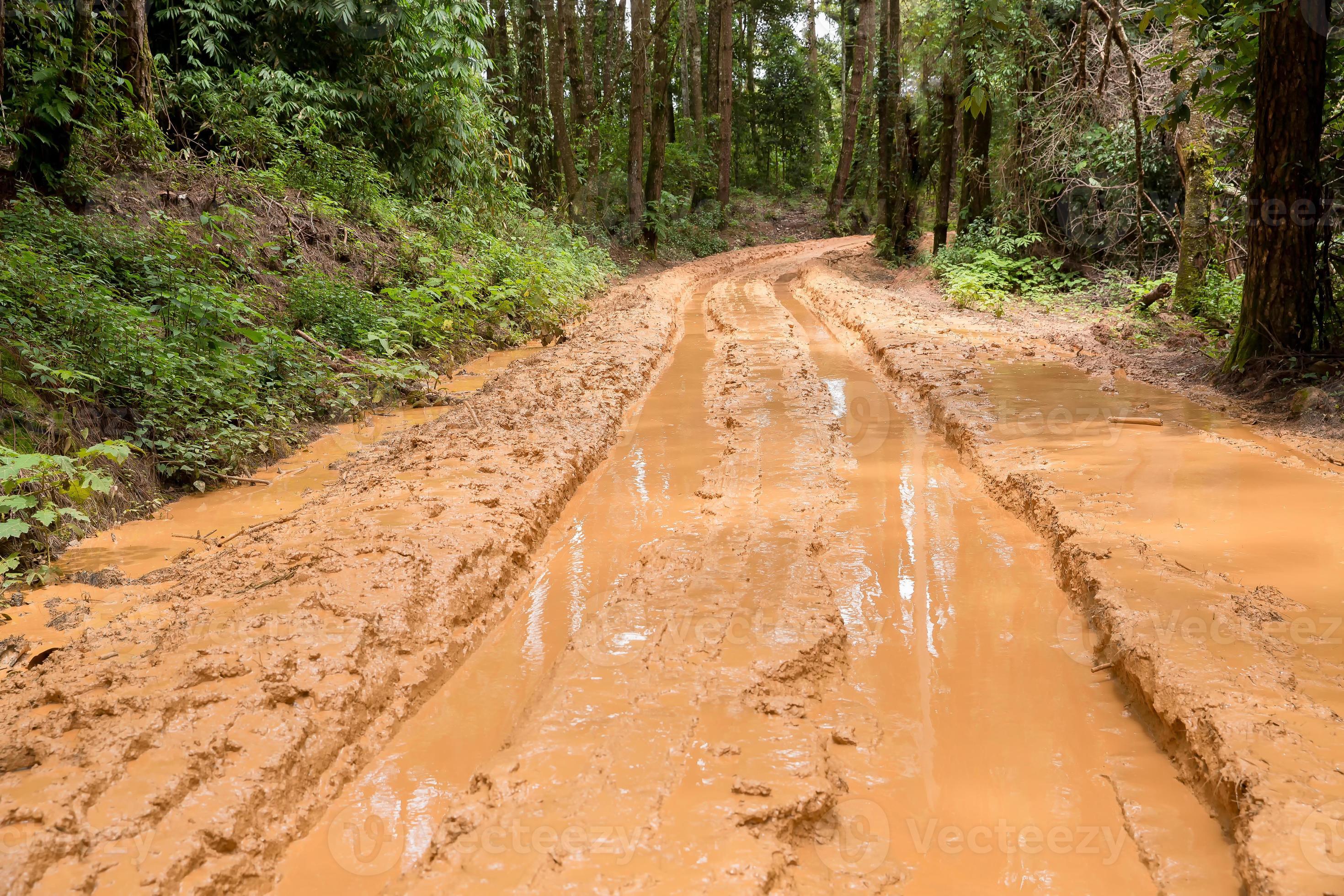
Rainfall also changes trekking conditions dramatically. Trails that appear manageable during dry periods can become extremely slippery and physically exhausting after heavy rain.
Because of these variables, certain regions within Bwindi Impenetrable National Park are widely known for producing some of the most difficult gorilla trekking experiences in Africa.
Nkuringo Sector — Uganda’s Most Physically Demanding Gorilla Trek
Among all gorilla trekking sectors in Uganda, Nkuringo Sector is frequently regarded as the most physically demanding.
Located in the southern part of Bwindi Impenetrable National Park, Nkuringo sits at higher elevation and features steep volcanic terrain overlooking the Virunga mountain range. The landscape is breathtaking, but the trekking conditions can be extremely challenging.
The forest here descends sharply into valleys before climbing back through thick vegetation and rugged slopes. Trekkers often experience long uphill returns after spending hours descending into gorilla territory.
What makes Nkuringo particularly exhausting is not just the steepness itself, but the combination of altitude, humidity, and uneven terrain. Even physically fit travelers often underestimate how draining continuous mountain climbing becomes inside dense rainforest conditions.
However, the reward is equally extraordinary. The scenery surrounding Nkuringo is among the most spectacular in Uganda’s gorilla trekking circuit, with panoramic mountain views, dramatic cloud formations, and deeply immersive forest landscapes.
For experienced hikers and adventure travelers, Nkuringo represents one of Africa’s most rewarding wildlife trekking experiences.
The Extreme Terrain Around Buhoma Sector During Difficult Tracking Days

The Buhoma Sector region is often associated with comfortable safari lodges and relatively accessible tourism infrastructure. However, many travelers are surprised to discover that some of the hardest gorilla treks in Uganda can also occur here.
The reason lies in gorilla movement patterns.
Certain gorilla families in Buhoma occasionally travel into deeper forest sections characterized by steep valleys, muddy slopes, and thick undergrowth. During these periods, trekkers may spend several hours hiking through dense jungle before reaching the gorillas.
Unlike open hiking trails in mountain environments, trekking through Bwindi often involves navigating narrow forest paths surrounded by vines, roots, wet vegetation, and unstable footing. This creates a different kind of physical challenge where balance and endurance become just as important as strength.
Heavy rainfall intensifies the difficulty further. Muddy terrain slows progress significantly, and steep forest descents become more demanding on knees and leg muscles.
Although Buhoma remains accessible overall, difficult tracking days here can rival the intensity of more mountainous sectors.
Rushaga Sector and the Challenge of Long-Distance Gorilla Tracking
The Rushaga Sector region is widely known for flexible trekking options and easier gorilla assignments. Nevertheless, it can also produce extremely difficult trekking experiences when gorilla families move into remote mountain zones.
Rushaga contains multiple habituated gorilla groups spread across varying elevations. While this allows guides to assign easier routes for some visitors, other trekking groups may follow gorillas deep into rugged forest areas near the borders of neighboring mountain ecosystems.
Long-distance tracking becomes the defining challenge here. Instead of extremely steep terrain, trekkers may face several continuous hours of hiking through rolling rainforest landscapes with changing elevation.
The psychological challenge also increases during long treks. Humidity, fatigue, and uncertainty about distance can mentally drain travelers before they even reach the gorillas.
Yet many experienced trekkers describe these difficult tracking days as the most authentic wildlife experiences of their lives because they reveal the true scale and remoteness of the gorilla habitat.
The Physical Reality of Trekking Through Bwindi Impenetrable National Park
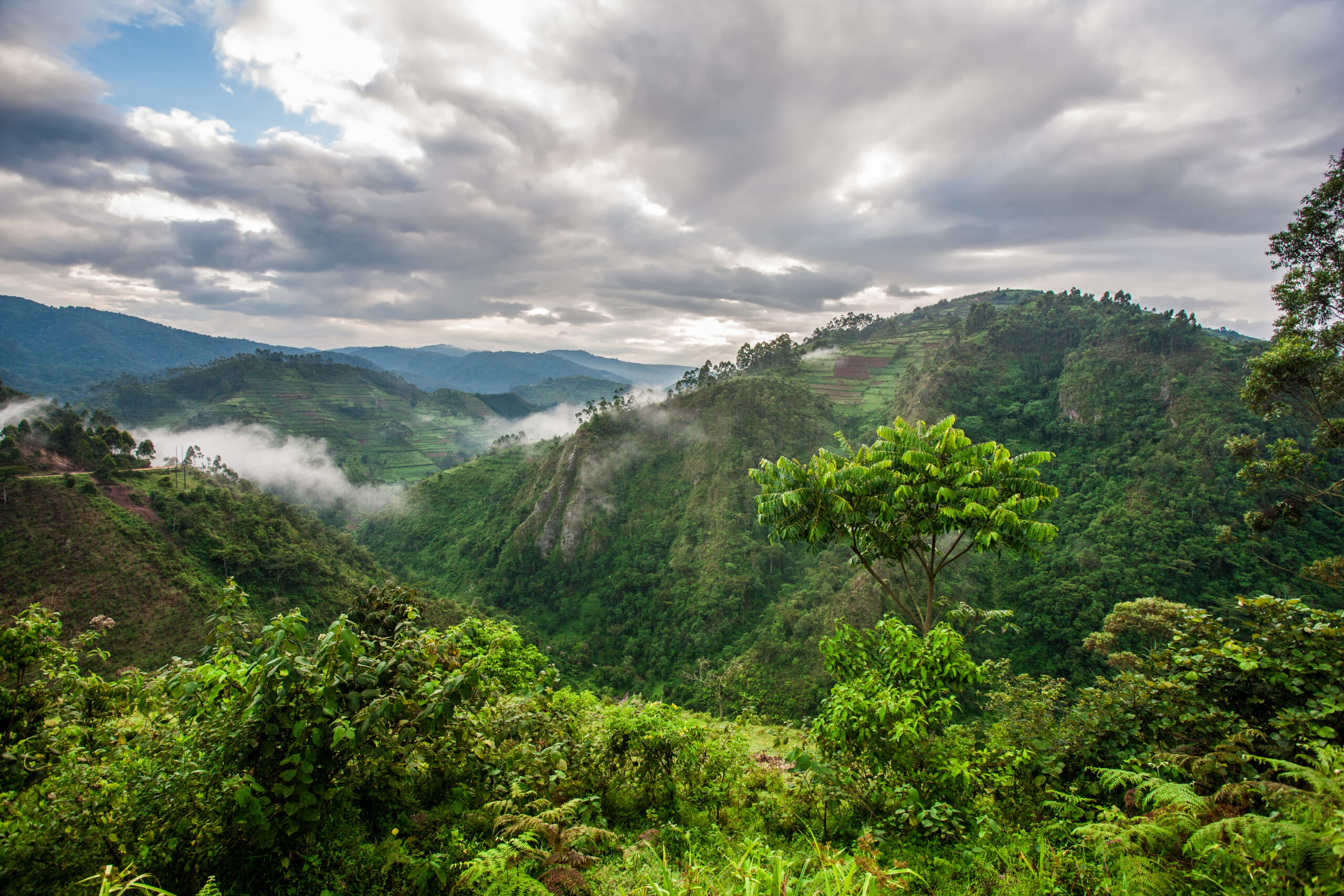
The name “Impenetrable” is not symbolic. It accurately describes the density and complexity of the forest ecosystem.
Bwindi contains ancient rainforest terrain shaped by tangled vines, giant tree roots, thick undergrowth, slippery mud, and steep ridges formed over thousands of years. Unlike ordinary hiking trails, gorilla trekking routes frequently require trekkers to move through partially cleared vegetation while adjusting constantly to changing terrain.
Altitude also plays a major role. Many trekking areas sit at elevations exceeding 2,000 meters, where thinner air increases physical exhaustion. Travelers who are unaccustomed to mountain hiking often feel fatigue faster than expected.
Rainfall creates another major challenge. Because the forest receives substantial moisture throughout the year, trails can remain muddy even during relatively dry periods.
The physical strain therefore comes not from one single factor but from the combination of:
- altitude
- humidity
- uneven terrain
- slippery conditions
- steep slopes
- extended hiking durations
This is why gorilla trekking should never be underestimated, even by experienced travelers.
Mental Endurance During Difficult Gorilla Treks
One of the least discussed aspects of hard gorilla trekking experiences is the psychological challenge involved.
Unlike traditional hiking routes where destinations are fixed, gorilla trekking involves uncertainty. Trekkers often do not know how far the gorillas have moved or how long the search may take.
This uncertainty creates mental fatigue, especially during long climbs or difficult weather conditions. The rainforest environment can also feel physically overwhelming because of heat, moisture, and dense vegetation limiting visibility.
However, this emotional intensity is precisely what makes the final gorilla encounter so powerful. After hours of effort, exhaustion, and anticipation, standing face-to-face with a mountain gorilla family becomes profoundly emotional.
Many travelers describe the moment not simply as wildlife viewing, but as a deeply earned experience.
Why Difficult Gorilla Treks Are Often the Most Rewarding
Ironically, the hardest gorilla trekking experiences often become the most memorable.
The physical challenge creates emotional investment. Every muddy slope, steep climb, and exhausting step builds anticipation until the final encounter feels transformative rather than observational.
Remote trekking routes also tend to produce quieter and more intimate experiences. Deep forest areas receive fewer visitors, allowing encounters to feel more isolated and immersive.
Photographically, remote gorilla groups often provide extraordinary jungle settings with dramatic vegetation, filtered forest light, and authentic rainforest atmosphere.
For adventure travelers, difficult gorilla trekking represents something increasingly rare in modern tourism: a wildlife experience that still requires genuine effort and endurance.
Preparing for the Hardest Gorilla Trekking Experiences
Preparation is critical for travelers considering difficult gorilla trekking routes in Uganda.
Physical conditioning helps significantly, especially activities focused on endurance, leg strength, and hiking stamina. Travelers who prepare beforehand often enjoy the experience more because they can focus on the forest and wildlife rather than pure exhaustion.
Footwear also matters enormously. Waterproof hiking boots with strong grip improve stability on muddy terrain and reduce fatigue during steep climbs.
Hiring a porter is another important decision. Porters assist with backpacks, provide physical support on slippery trails, and help travelers maintain balance in difficult sections of the forest.
Equally important is mindset. Gorilla trekking is not a luxury sightseeing activity; it is an immersive rainforest expedition that requires patience, adaptability, and determination.
The Role of Rangers and Trackers During Challenging Treks
The expertise of the Uganda Wildlife Authority rangers and trackers plays a major role in making difficult gorilla treks possible.
Trackers enter the forest early each morning to locate gorilla families before visitors begin hiking. Rangers then guide trekking groups safely through the terrain while monitoring both visitor safety and gorilla behavior.
Their knowledge of the forest ecosystem is extraordinary. They understand animal movement patterns, terrain changes, weather risks, and emergency procedures in remote jungle environments.
For many travelers, the professionalism of these guides becomes one of the most impressive aspects of the entire safari experience.
Best Time to Avoid Extremely Difficult Gorilla Trekking Conditions
Although gorilla trekking operates year-round, seasonal timing greatly affects trekking difficulty.
Rainy periods create slippery trails, heavier mud, and denser vegetation, all of which increase physical strain significantly. During these months, even relatively moderate trekking routes can become exhausting.
Dry seasons generally provide more stable hiking conditions, firmer ground, and easier navigation through the forest. Travelers concerned about extreme difficulty often choose these periods to reduce physical demands.
However, gorilla movement remains unpredictable regardless of season, meaning even dry-season treks can still become physically challenging.
Frequently Asked Questions About Hard Gorilla Trekking Experiences
Which gorilla trekking sector is hardest in Uganda?
Nkuringo Sector is widely considered the most physically demanding sector because of its steep terrain, high elevation, and difficult forest slopes.
How difficult is gorilla trekking in Bwindi?
Difficulty varies significantly depending on gorilla location, terrain, weather, and trekking sector. Some treks last one hour, while others can exceed six hours in steep rainforest conditions.
Is gorilla trekking harder than normal hiking?
Yes. Gorilla trekking involves uneven jungle terrain, altitude, humidity, mud, and unpredictable routes, making it more demanding than standard hiking trails.
Can beginners complete difficult gorilla treks?
Yes, although physical preparation helps significantly. Rangers also adjust trekking pace based on group ability.
Does rain make gorilla trekking harder?
Absolutely. Rain creates muddy, slippery trails and increases physical effort considerably.
Are difficult gorilla treks worth it?
Most travelers say yes. The physical challenge often makes the gorilla encounter more emotional and rewarding.
Should I hire a porter during gorilla trekking?
Yes. Porters reduce physical strain, improve stability on difficult terrain, and support local conservation communities.
Final Thoughts on the Hardest Gorilla Trekking Experiences
The hardest gorilla trekking experiences in Uganda are not simply about physical endurance. They are about entering one of Africa’s oldest rainforests and earning an encounter with one of the world’s rarest animals through genuine effort and determination.
Whether climbing the steep ridges of Nkuringo Sector, navigating the dense jungle valleys of Buhoma Sector, or tracking remote gorilla families deep within Rushaga Sector, travelers quickly realize that gorilla trekking is not a passive safari activity.
It is an adventure shaped by rainforest terrain, mountain weather, and the unpredictable movement of wild gorillas. Yet for those willing to embrace the challenge, the reward becomes one of the most unforgettable wildlife experiences anywhere on Earth.


