
There are few places in Africa that still feel genuinely wild. The Rwenzori Mountains in western Uganda are one of them, making Rwenzori hiking Uganda an incredible adventure for those seeking untouched nature.
Long before most travelers even see the peaks, they notice the atmosphere changing. The air grows cooler, clouds drift heavily across distant ridges, and thick rainforest begins swallowing the landscape. Villages at the foothills sit beneath mist-covered summits that often remain hidden behind moving curtains of fog. It is this mysterious beauty that earned the Rwenzoris their legendary name — the Mountains of the Moon.
For adventurous travelers searching for a trekking experience beyond ordinary safari tourism, hiking the Rwenzori Mountains offers one of the most unforgettable journeys in Africa. Massive waterfalls crash through deep valleys. Giant lobelias rise above muddy trails. Ancient moss-covered forests create surreal landscapes that feel almost prehistoric. Higher still, glaciers and snowfields crown jagged peaks above the clouds.
This Hiking Rwenzori Mountains Uganda Guide explores everything travelers need to know before planning a Rwenzori trekking safari, including hiking routes, trekking difficulty, accommodation, wildlife, packing advice, altitude preparation, costs, cultural experiences, itineraries, safety information, and the best time to visit.
Whether you are planning a multi-day summit expedition to Margherita Peak or a shorter hiking safari through the foothills, the Rwenzoris deliver a level of adventure, authenticity, and natural beauty that few destinations in the world can match.
Why Hiking the Rwenzori Mountains in Uganda Is Unlike Any Other Trek in Africa
Many travelers compare the Rwenzoris to Mount Kilimanjaro or Mount Kenya before arriving. Yet the moment the trek begins, the difference becomes obvious.
Unlike East Africa’s volcanic mountains, the Rwenzoris rise dramatically from the western Rift Valley floor and create a completely different hiking environment. Instead of dry volcanic slopes, trekkers encounter dense rainforest, bamboo forests, alpine bogs, giant heather zones, glaciers, rivers, and dramatic valleys.
Located within Rwenzori Mountains National Park, the mountain range contains some of Africa’s highest peaks, including Mount Stanley and Margherita Peak at 5,109 meters above sea level.
The scenery constantly changes with altitude. One morning may begin in humid tropical forest filled with birdsong and primates, while the next day hikers are crossing alpine valleys surrounded by giant groundsels and freezing winds.
This dramatic environmental diversity is one reason the Hiking Rwenzori Mountains Uganda Guide continues attracting experienced hikers from around the world.
The trek feels raw, immersive, and deeply connected to nature in a way many modern trekking destinations no longer do.
Where to Start Your Hiking Rwenzori Mountains Uganda Adventure

The Rwenzori Mountains lie in western Uganda near the border with the Democratic Republic of Congo, approximately seven to eight hours by road from Kampala and accessible through the Kasese region.
Most trekking expeditions begin from trailheads near Nyakalengija or Kilembe depending on the selected route.
The nearest major access point for international travelers is Entebbe International Airport, where travelers usually begin their Uganda safari before transferring west toward the mountains.
The journey itself is part of the experience. Travelers pass tea plantations, crater lakes, rural communities, rolling hills, and sections of the Great Rift Valley before reaching the foothills of the Rwenzoris.
Understanding the Main Hiking Rwenzori Mountains Uganda Routes
One of the most important decisions in planning a Rwenzori trekking safari is choosing the right route.
The Central Circuit Trail remains the classic option for summit attempts and typically takes between seven and nine days. This route passes through Nyabitaba, John Matte, Bujuku, Elena Camp, Kitandara, and Guy Yeoman camps before descending back toward the foothills.
The Mahoma Trail and Kilembe Trail have also become increasingly popular because of their spectacular scenery and quieter atmosphere. Many experienced trekkers consider these routes among the most beautiful mountain trails in Africa.
Some travelers choose shorter hiking experiences lasting two to four days, while others attempt the full Margherita Peak summit expedition.
The right choice depends on:
- fitness level
- trekking experience
- altitude tolerance
- available time
- adventure expectations
One reason many people search for a Hiking Rwenzori Mountains Uganda Guide is because the routes vary significantly in difficulty and scenery.
A Typical Hiking Rwenzori Mountains Uganda Itinerary Explained
A standard summit trek usually begins with arrival in Entebbe before transferring west toward Kasese and the Rwenzori foothills.
The first trekking day often starts at Nyakalengija, where hikers pass through tropical forest toward Nyabitaba Camp. Colobus monkeys and blue monkeys are commonly seen along these lower trails.
As the trek continues higher, the terrain becomes wetter and more dramatic. Trekkers cross rivers, bamboo zones, muddy bogs, and giant heather forests before reaching alpine camps such as John Matte and Bujuku.
One of the most unforgettable sections of the trek is the approach toward Elena Camp and Margherita Peak. The environment becomes colder, rockier, and increasingly glacial. Early summit attempts usually begin before sunrise, with hikers climbing through snowfields and icy terrain toward the highest point in the Rwenzoris.
Standing atop Margherita Peak often becomes an emotional moment for trekkers. After days of mud, rain, altitude, and exhaustion, the panoramic views across Uganda and Congo feel genuinely rewarding.
Descending through the valleys afterward provides a completely different perspective of the mountains.
Why Hiking the Rwenzori Mountains in Uganda Is Physically Challenging
The Rwenzori Mountains are frequently regarded as one of Africa’s toughest treks.
Unlike Kilimanjaro, where trails are relatively dry and established, the Rwenzoris involve constant mud, slippery terrain, river crossings, steep ascents, and unpredictable weather conditions.
Trekkers may spend hours navigating bogs using wooden planks and tussocks while carrying daypacks through wet alpine zones. Heavy rainfall can transform sections of the trail quickly.
Altitude also becomes increasingly demanding above 4,000 meters.
This Hiking Rwenzori Mountains Uganda Guide would be incomplete without emphasizing the physical and mental preparation required for the trek.
The mountains reward persistence rather than speed.
Trekkers who approach the experience patiently and steadily usually enjoy the journey far more than those focused only on reaching the summit.
Wildlife and Birdlife During a Hiking Rwenzori Mountains Uganda Safari
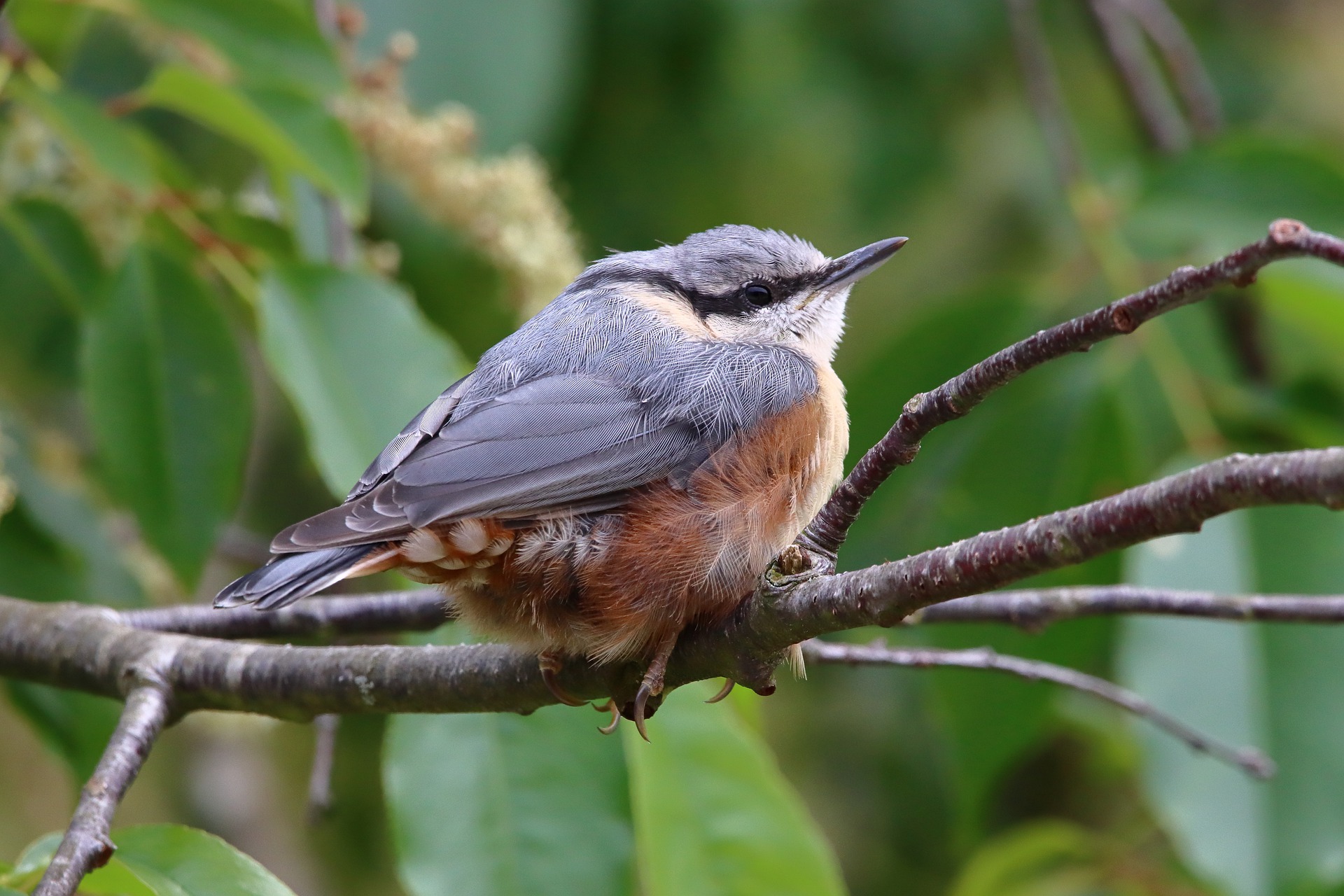
Although the Rwenzoris are primarily known for trekking, the mountain ecosystem contains remarkable biodiversity.
The lower forests support:
- black-and-white colobus monkeys
- blue monkeys
- forest elephants
- chimpanzees in nearby regions
- numerous bird species
Birdwatchers are especially drawn to the Rwenzori region because of the Albertine Rift endemics found in the forests.
As altitude increases, wildlife sightings become less common, but the vegetation itself becomes one of the trek’s greatest attractions. Giant lobelias, enormous groundsels, moss-draped trees, and glacial valleys create landscapes unlike anywhere else in Africa.
The biodiversity is one reason many nature enthusiasts consider the Hiking Rwenzori Mountains Uganda Guide essential for understanding Uganda beyond traditional safari tourism.
Best Time for Hiking the Rwenzori Mountains in Uganda
The Rwenzoris can be visited throughout the year, but some seasons provide more stable trekking conditions.
The relatively drier months from June to August and December to February are generally considered the best periods for hiking. Trails remain muddy even during these seasons, but rainfall tends to be less intense.
Rain is part of the Rwenzori experience regardless of season. Travelers expecting perfectly dry trekking conditions often underestimate the mountain climate.
Mist, fog, rain, sunshine, and freezing temperatures can all occur within the same day.
The weather unpredictability contributes to the mountains’ mysterious atmosphere and explains why the region remains one of Africa’s most unique trekking destinations.
Accommodation Options for a Hiking Rwenzori Mountains Uganda Safari
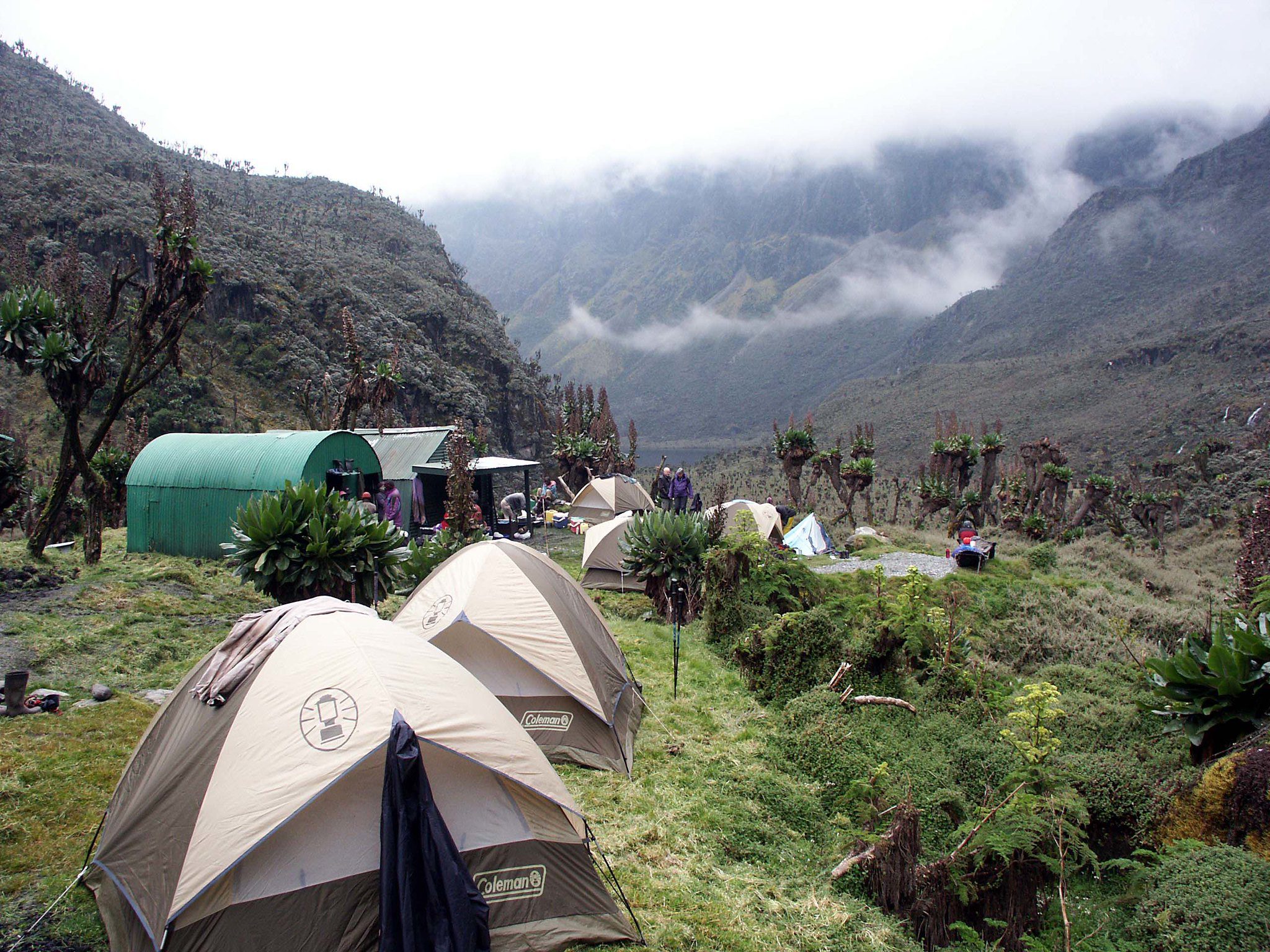
Accommodation on the mountain depends on the chosen route and trekking duration.
Most multi-day treks use mountain huts strategically located along the trails. These camps provide sleeping areas, meals, and shelter after long hiking days.
The huts are simple but functional. Conditions become increasingly basic at higher elevations, especially near summit camps.
However, many trekkers later describe evenings in the mountain huts as some of the most memorable parts of the journey. Stories are exchanged between hikers while clouds drift across valleys outside and guides prepare warm meals after difficult hiking days.
Before and after the trek, travelers usually stay in lodges around Kasese, Fort Portal, or the foothill regions surrounding the national park.
What to Pack for Hiking the Rwenzori Mountains in Uganda

Packing properly can dramatically improve comfort and safety during the trek.
Waterproof equipment is absolutely essential because of the constant moisture and muddy conditions. Waterproof hiking boots, rain jackets, dry bags, and gaiters help protect trekkers from wet terrain.
Layered clothing is important because temperatures vary significantly between lower forests and higher alpine zones.
Other essential items typically include:
- trekking poles
- gloves
- thermal layers
- headlamps
- hydration systems
- sunscreen
- energy snacks
One of the most practical aspects of any Hiking Rwenzori Mountains Uganda Guide is understanding that overpacking can become a burden during steep climbs.
The goal is to remain lightweight while still preparing for unpredictable mountain conditions.
Altitude and Acclimatization During Hiking in the Rwenzori Mountains Uganda
Altitude sickness is a serious consideration for trekkers attempting higher elevations in the Rwenzoris.
Symptoms may include:
- headaches
- dizziness
- nausea
- fatigue
- breathing difficulty
Professional guides monitor hikers carefully and encourage gradual pacing throughout the ascent.
Proper hydration, slower walking speeds, rest, and honest communication about symptoms are extremely important.
The Rwenzoris demand humility. Even experienced hikers can struggle at altitude.
One reason experienced trekkers respect the Hiking Rwenzori Mountains Uganda Guide is because the mountains are unpredictable, and proper acclimatization is essential for both safety and summit success.
Cultural Experiences Around Hiking Rwenzori Mountains Uganda Trails
The Rwenzori region is not only rich in natural beauty but also deeply connected to local culture.
The Bakonzo communities living near the mountains have long viewed the Rwenzoris as sacred. Traditional beliefs, folklore, farming practices, and ceremonies remain tied to the mountain environment.
Many trekking crews include local porters and guides whose knowledge of the terrain has been developed over generations.
Travelers often discover that interactions with local communities become one of the most meaningful parts of the experience.
Village walks, cultural performances, local food experiences, and conversations with guides provide deeper insight into life around the Mountains of the Moon.
Hiking Rwenzori Mountains Uganda Costs and Safari Planning Guide
The cost of hiking the Rwenzori Mountains depends on:
- trekking duration
- route selection
- group size
- accommodation standard
- porter requirements
- transport logistics
Short treks cost significantly less than summit expeditions to Margherita Peak.
Longer treks typically include:
- park permits
- guides
- porters
- accommodation
- meals
- transport
- safety equipment
Travelers planning a Uganda trekking safari often combine the Rwenzori Mountains with:
- gorilla trekking
- chimpanzee tracking
- wildlife safaris
- crater lake tours
- cultural experiences
Combining these experiences creates a more complete Uganda adventure itinerary.
Why Hiking the Rwenzori Mountains Uganda Remains Underrated Globally
Despite their extraordinary beauty, the Rwenzoris remain relatively overlooked internationally compared to destinations like Kilimanjaro or Everest Base Camp.
Part of this is because the trek is more physically demanding and less commercialized. Another reason is that Uganda itself is still emerging globally as a major adventure tourism destination.
Yet many experienced travelers believe this relative obscurity is exactly what makes the Rwenzoris so special.
The mountains still feel authentic.
Trails remain uncrowded. Local interactions feel genuine. Nature dominates the experience rather than tourism infrastructure.
For travelers seeking true adventure rather than mass tourism, the Rwenzoris offer something increasingly rare in modern travel.
FAQs About Hiking Rwenzori Mountains Uganda Guide
How difficult is hiking the Rwenzori Mountains?
The trek is physically demanding due to steep ascents, muddy trails, altitude, and unpredictable weather conditions.
What is the best time to hike the Rwenzori Mountains?
The relatively drier months from June to August and December to February are generally considered ideal for trekking.
How many days are needed for the Rwenzori trek?
Most summit expeditions take between seven and nine days, while shorter treks are also available.
Is altitude sickness common during the trek?
Altitude sickness can affect trekkers at higher elevations, especially near Margherita Peak. Proper acclimatization is important.
Do I need previous trekking experience?
Previous hiking experience is highly recommended for summit attempts, although shorter treks are suitable for moderately fit travelers.
Are guides and porters required?
Yes. Treks are conducted with licensed guides and support crews familiar with the mountain terrain and safety procedures.
What makes the Rwenzori Mountains unique?
The mountains combine tropical rainforest, glaciers, waterfalls, alpine vegetation, giant lobelias, and dramatic scenery rarely found elsewhere in Africa.
Conclusion: Why the Rwenzori Mountains Should Be on Every Adventurer’s Bucket List
Hiking the Rwenzori Mountains is far more than a mountain expedition. It is a journey through one of Africa’s last truly wild landscapes — a place where ancient forests, glaciers, mist-covered valleys, waterfalls, and towering peaks create an atmosphere unlike anywhere else on earth.
The trek is physically demanding, emotionally rewarding, and deeply immersive. Every muddy trail, freezing summit push, and rain-soaked valley becomes part of a larger adventure that many travelers later describe as life changing.
For travelers planning a Uganda safari, the Rwenzori Mountains add an entirely different dimension to the experience beyond traditional wildlife tourism. They reveal Uganda’s dramatic landscapes, cultural richness, biodiversity, and adventurous spirit in a way few destinations can match.
Whether you dream of reaching Margherita Peak, exploring the Mahoma Trail, or simply experiencing the legendary Mountains of the Moon for yourself, the Rwenzoris offer one of Africa’s greatest trekking adventures.
Now is the perfect time to begin planning your Rwenzori hiking safari with experienced local guides who understand the mountains, prioritize safety, and help transform this extraordinary journey into an unforgettable African adventure.


