
Kabwoya Wildlife Reserve: Exploring the Albertine West Rift Valley Safari Experience in Uganda
Kabwoya Wildlife Reserve is one of Uganda’s most underrated safari destinations. It lies along the shores of Lake Albert in western Uganda, inside the Albertine Rift Valley ecosystem. Because of its remote location and untouched landscapes, Kabwoya offers a raw and authentic wilderness experience.
Unlike more famous parks in Uganda, Kabwoya remains quiet and less crowded. As a result, travelers enjoy open landscapes, dramatic escarpments, and close encounters with wildlife without heavy tourism pressure. In addition, the reserve forms part of a growing eco-tourism corridor in the Albertine West Rift region.
This guide explains everything you need to know about Kabwoya Wildlife Reserve. It covers wildlife, activities, travel routes, accommodation, and why this hidden gem deserves a place on your Uganda safari itinerary.
Why Kabwoya Wildlife Reserve Is a Hidden Safari Gem
Kabwoya Wildlife Reserve stands out because it combines savannah landscapes with Rift Valley scenery. It stretches along Lake Albert’s eastern shores, creating a unique mix of water, grassland, and escarpment views.
Because the reserve receives fewer visitors, wildlife thrives in a more natural environment. This allows travelers to experience Uganda’s wilderness in a less commercialized setting.
In addition, Kabwoya plays an important conservation role. It protects species that move between Lake Albert, Murchison Falls National Park, and surrounding ecosystems. Therefore, it acts as a wildlife corridor in the Albertine Rift Valley.
Unlike large national parks, Kabwoya offers a more intimate safari experience. Travelers often explore the reserve in small groups, which increases the sense of connection with nature.
Location of Kabwoya Wildlife Reserve and How to Get There
Kabwoya Wildlife Reserve is located in Kikuube District in western Uganda. It sits between Hoima and the northern shores of Lake Albert.
The reserve is accessible by road from Kampala. The journey typically takes 5 to 7 hours depending on road conditions. Travelers usually pass through Mubende and Hoima before reaching the reserve.
Because the area is part of Uganda’s oil-rich Albertine region, road infrastructure has improved in recent years. As a result, access has become easier for safari travelers.
Alternatively, visitors can combine Kabwoya with Murchison Falls National Park. This creates a longer western Uganda safari circuit that includes multiple ecosystems.
Wildlife in Kabwoya Wildlife Reserve
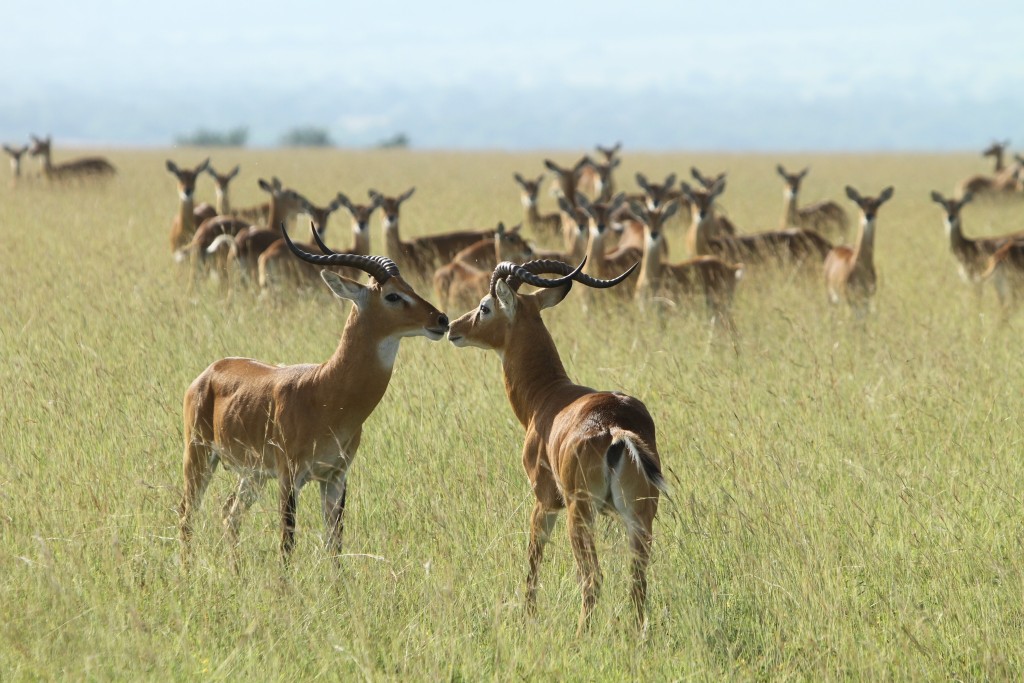
Kabwoya hosts a variety of wildlife species adapted to savannah and lake environments. Although it is not as densely populated as other parks, the reserve still offers rewarding wildlife sightings.
Visitors often see Uganda kobs, warthogs, waterbucks, and bushbucks. In addition, olive baboons and vervet monkeys are commonly spotted.
Predators such as leopards exist in the reserve, although sightings are rare due to their elusive nature. However, tracking signs and ranger reports often confirm their presence.
Kabwoya is also important for birdwatching. The reserve supports several Rift Valley bird species, especially near Lake Albert. As a result, birders can enjoy diverse sightings in a peaceful environment.
Because the reserve is less disturbed, animals behave more naturally compared to busier parks. This makes wildlife viewing feel more authentic and immersive.
Game Drives in Kabwoya Wildlife Reserve
Game drives are the main safari activity in Kabwoya. Visitors explore the reserve in 4×4 safari vehicles guided by experienced rangers.
During game drives, travelers move through open savannah plains and rolling hills. As a result, they enjoy wide visibility and scenic landscapes.
Morning game drives often provide the best wildlife sightings. Animals are more active during cooler hours, which increases chances of encounters.
In addition, sunset game drives offer dramatic lighting over the Rift Valley. The golden light enhances photography and creates a memorable safari atmosphere.
Because the reserve is quiet, game drives feel private and uninterrupted. This is one of Kabwoya’s strongest advantages.
Nature Walks and Guided Hiking Experiences
Kabwoya also offers guided nature walks. These walks allow visitors to explore the reserve on foot with armed ranger escorts.
During these walks, travelers learn about plants, animal tracks, and smaller wildlife species. In addition, guides explain the ecological importance of the Albertine Rift ecosystem.
Walking safaris create a deeper connection with nature. Unlike vehicle-based safaris, they allow travelers to experience sounds, scents, and textures of the wilderness.
Because safety is carefully managed, visitors can enjoy the experience with confidence. However, walks follow strict ranger supervision at all times.
Lake Albert Views and Scenic Landscapes
One of Kabwoya’s most impressive features is its view of Lake Albert. The lake forms part of the western arm of the Great Rift Valley.
From elevated points in the reserve, visitors enjoy sweeping views across the water. On clear days, the scenery extends to the distant Democratic Republic of Congo shoreline.
These landscapes create excellent photography opportunities. In addition, the combination of lake, savannah, and escarpment makes Kabwoya visually unique.
Sunrise and sunset views are particularly striking. The changing colors over Lake Albert create a calm and dramatic atmosphere.
Birdwatching in Kabwoya Wildlife Reserve
Kabwoya is an important destination for bird enthusiasts. The mix of savannah, wetlands, and lake environments supports a variety of bird species.
Visitors often spot fish eagles, herons, kingfishers, and hornbills. In addition, migratory birds appear during certain seasons.
Lake Albert plays a key role in supporting aquatic birdlife. Therefore, shoreline areas are especially productive for birdwatching.
Because the reserve is quiet, birdwatching becomes easier and more rewarding. There is less noise and disturbance compared to more popular parks.
The Albertine Rift Valley Ecosystem
Kabwoya lies within the Albertine Rift Valley, one of Africa’s most important biodiversity regions. This ecosystem stretches from northern Uganda to Tanzania and includes mountains, lakes, and forests.
The Albertine Rift supports many endemic species found nowhere else in the world. Therefore, it is considered a global conservation priority.
Kabwoya contributes to this ecosystem by acting as a wildlife corridor. Animals move between Lake Albert and nearby protected areas, maintaining genetic diversity.
In addition, conservation programs in the region focus on balancing wildlife protection with community development.
Because of this, Kabwoya plays a meaningful role in Uganda’s broader conservation strategy.
Cultural Experiences Around Kabwoya
Beyond wildlife, Kabwoya offers cultural encounters with nearby communities. These communities include fishing villages along Lake Albert and farming settlements inland.
Visitors often learn about traditional fishing methods and local livelihoods. In addition, guides explain how communities interact with the reserve ecosystem.
Cultural interactions provide insight into daily life in western Uganda. They also help travelers understand the human side of conservation.
Because tourism is still developing in the region, cultural experiences feel authentic and uncommercialized.
Best Time to Visit Kabwoya Wildlife Reserve
Kabwoya can be visited throughout the year. However, the dry seasons provide the best safari conditions.
During dry months, roads inside the reserve become easier to navigate. In addition, wildlife tends to gather around water sources, improving sightings.
The wet season transforms the landscape into lush green scenery. Although some roads may become challenging, the environment becomes more vibrant.
Therefore, the best time depends on travel preferences. Dry seasons suit classic safaris, while wet seasons suit photography and nature lovers.
Accommodation Options Near Kabwoya
Accommodation around Kabwoya includes safari lodges, eco-camps, and guesthouses in nearby towns such as Hoima and Kikuube.
Many lodges focus on eco-tourism. They use sustainable materials and support local communities.
Some properties offer views of Lake Albert and surrounding savannah. As a result, guests enjoy scenic sunrise and sunset experiences.
Because tourism is still growing, accommodation options remain limited but high quality. Therefore, early booking is recommended.
What to Expect on a Kabwoya Safari
A safari in Kabwoya feels different from Uganda’s more famous parks. Instead of crowded game tracks, visitors experience open and quiet wilderness.
Game drives often feel private. In addition, guides provide detailed explanations of the ecosystem and wildlife behavior.
Travelers should expect long scenic drives, warm weather, and minimal crowds. Therefore, Kabwoya suits travelers seeking peaceful and off-the-beaten-path experiences.
Because facilities are still developing, visitors should prepare well in advance. However, this adds to the adventure and authenticity.
Conservation and Sustainable Tourism in Kabwoya
Kabwoya Wildlife Reserve plays an important role in conservation. It helps protect wildlife corridors and supports biodiversity in the Albertine Rift.
Tourism revenue contributes to conservation funding and community development. In addition, eco-tourism initiatives promote responsible travel practices.
Local communities also benefit through employment and tourism-related activities. Therefore, Kabwoya supports both environmental and economic sustainability.
Visitors are encouraged to respect wildlife, follow ranger instructions, and reduce environmental impact.
Travel Tips for Visiting Kabwoya Wildlife Reserve
Travelers should prepare for long road journeys when visiting Kabwoya. Comfortable clothing and sturdy shoes are recommended.
It is also important to carry water, sunscreen, and insect repellent. Because the region can be hot, light clothing works best during the day.
Booking with experienced safari operators improves safety and convenience. In addition, guided tours provide better wildlife experiences.
Finally, travelers should maintain flexibility, as road and weather conditions may change plans slightly.
FAQ About Kabwoya Wildlife Reserve
What is Kabwoya Wildlife Reserve known for?
Kabwoya is known for savannah wildlife, Lake Albert views, and its role in the Albertine Rift ecosystem.
Is Kabwoya good for safaris?
Yes, it offers quiet and authentic safari experiences away from crowds.
What animals can I see in Kabwoya?
Visitors may see Uganda kobs, warthogs, monkeys, birds, and occasionally leopards.
How do I reach Kabwoya?
It is accessible by road from Kampala via Hoima.
Final Thoughts: Why Visit Kabwoya Wildlife Reserve
Kabwoya Wildlife Reserve offers a rare and peaceful safari experience in western Uganda. It combines savannah wildlife, Lake Albert scenery, and Rift Valley landscapes in one destination.
Although it remains less known, this is part of its charm. Travelers enjoy quiet game drives, open landscapes, and authentic encounters with nature.
In addition, Kabwoya plays a key role in the Albertine Rift conservation system. Therefore, every visit contributes to protecting Uganda’s biodiversity.
Ultimately, Kabwoya is ideal for travelers seeking something different. It delivers raw wilderness, scenic beauty, and a true off-the-beaten-path safari experience in Uganda.


