
Enjoy Mountain Gorilla Safaris & Visit the Virunga Conservation Area at Mgahinga Gorilla National Park
Mgahinga Gorilla National Park is one of Uganda’s most remarkable protected areas. It lies in the southwestern corner of the country, where Uganda meets Rwanda and the Democratic Republic of Congo. This unique position places the park within the famous Virunga Conservation Area, a transboundary ecosystem that protects rare mountain gorillas and other endangered species.
Because of its biodiversity, Mgahinga has become a top destination for gorilla trekking safaris in East Africa. In addition, the park offers volcanic landscapes, rich cultural heritage, and scenic hiking experiences. Unlike more crowded parks, Mgahinga provides a quieter and more intimate wildlife experience.
This guide explains everything you need to know about visiting Mgahinga Gorilla National Park. It also helps you understand gorilla trekking, travel logistics, conservation efforts, and what to expect during your safari.
Why Mgahinga Gorilla National Park Is Special
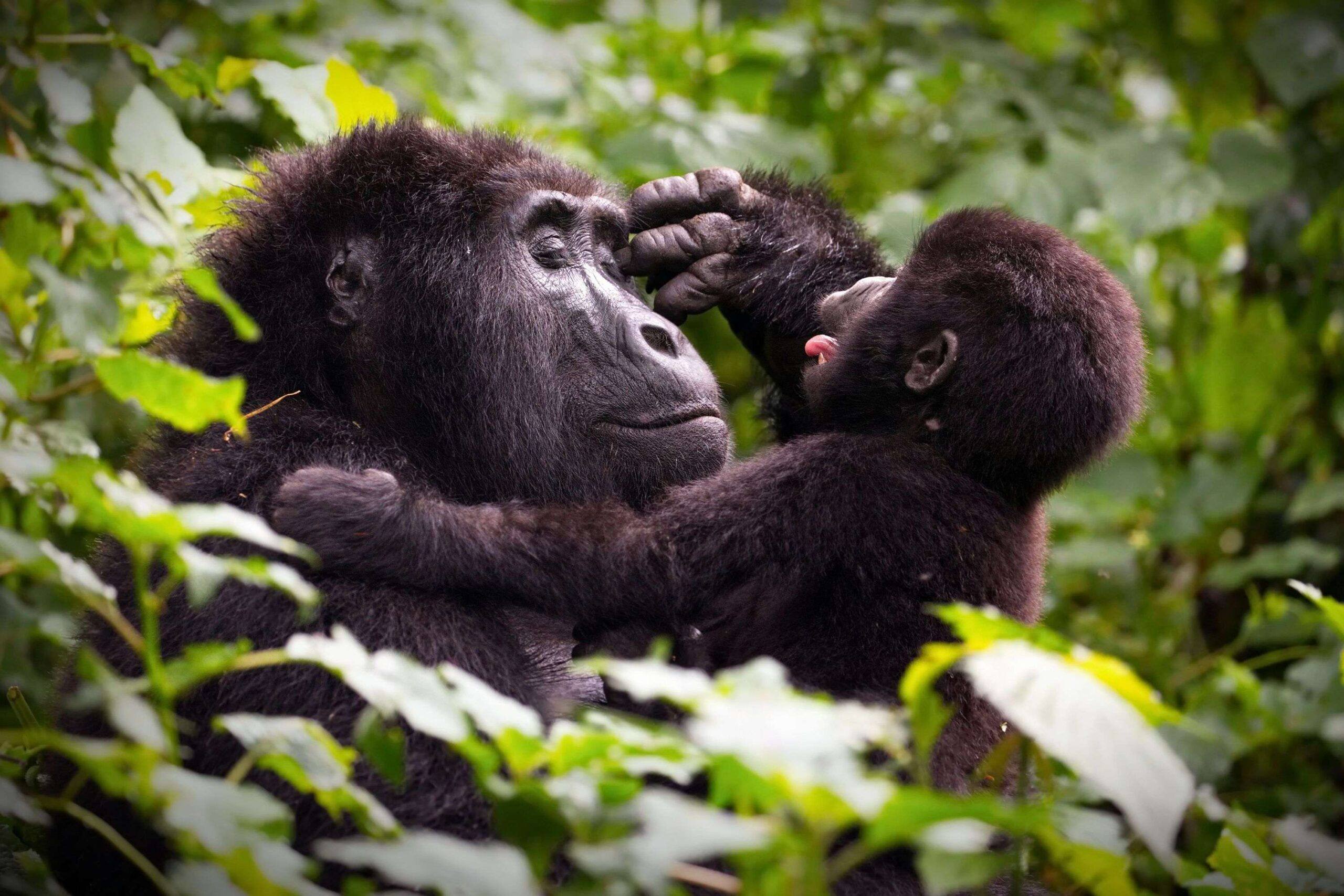
Mgahinga Gorilla National Park stands out because it forms part of the Virunga Mountain range. This volcanic chain stretches across Uganda, Rwanda, and the Democratic Republic of Congo. As a result, the park plays a critical role in protecting mountain gorillas.
Although Mgahinga is Uganda’s smallest national park, it is extremely important for conservation. It protects not only gorillas but also golden monkeys, rare birds, and unique alpine vegetation.
In addition, the park offers stunning scenery. Three volcanic peaks dominate the landscape, creating dramatic views and challenging hiking routes. Therefore, visitors enjoy both wildlife and adventure in one destination.
Unlike larger parks such as Bwindi, Mgahinga offers a more exclusive trekking experience. Fewer tourists visit, which creates a calm and personal atmosphere.
Location and How to Reach Mgahinga Gorilla National Park
Mgahinga is located in Kisoro District in southwestern Uganda. It lies near the borders of Rwanda and the Democratic Republic of Congo. The nearest major town is Kisoro.
Travelers usually reach the park from Kampala or Entebbe. The journey takes approximately 8 to 10 hours by road. Although the drive is long, it passes through scenic landscapes, including rolling hills, tea plantations, and rural villages.
Alternatively, travelers can fly to Kisoro Airstrip from Entebbe. From there, they continue by road to the park headquarters. This option reduces travel time significantly.
Because of the distance, many visitors combine Mgahinga with other parks such as Bwindi Impenetrable National Park. This creates a complete gorilla trekking circuit in southwestern Uganda.
Gorilla Trekking in Mgahinga Gorilla National Park
Gorilla trekking is the main attraction in Mgahinga. Visitors join guided groups to search for habituated mountain gorilla families in the forest.
The experience begins early in the morning at the park headquarters. Rangers brief visitors about safety rules and trekking guidelines. After that, groups enter the forest with armed rangers and trackers.
As the trek continues, guides follow signs such as broken vegetation, nests, and droppings. Eventually, visitors locate a gorilla family and spend one hour observing them.
This moment is unforgettable. Travelers watch gorillas feed, play, and interact naturally. Because gorillas share over 98% of human DNA, the experience feels deeply emotional and personal.
The trek duration varies depending on gorilla movement. It may take a few hours or most of the day. However, the reward makes every effort worthwhile.
Virunga Conservation Area and Its Importance
Mgahinga Gorilla National Park is part of the larger Virunga Conservation Area. This ecosystem includes protected areas in Uganda, Rwanda, and the Democratic Republic of Congo.
The Virunga region is one of the most biodiverse areas in Africa. It supports mountain gorillas, golden monkeys, elephants, and numerous bird species.
Conservation efforts in this region focus on protecting endangered species and reducing human-wildlife conflict. In addition, park authorities work with local communities to promote sustainable tourism.
Because mountain gorillas are critically endangered, every safari directly contributes to conservation funding. Therefore, gorilla trekking plays an important role in protecting these animals for future generations.
Golden Monkey Tracking Experience
In addition to gorilla trekking, Mgahinga offers golden monkey tracking. These rare primates live in bamboo forests at the base of the volcanoes.
Golden monkeys are active and playful. They move quickly through trees, making them exciting to observe. Unlike gorillas, they are more energetic and less predictable.
Guided tracking tours allow visitors to follow and observe them in their natural habitat. As a result, travelers enjoy a different but equally rewarding wildlife experience.
Golden monkey tracking is less physically demanding than gorilla trekking. Therefore, it is suitable for a wider range of visitors.
Volcano Hiking Adventures in Mgahinga
Mgahinga Gorilla National Park features three extinct volcanoes. These include Mount Muhabura, Mount Gahinga, and Mount Sabinyo.
Each volcano offers unique hiking experiences. For example, Mount Sabinyo allows hikers to stand at the point where Uganda, Rwanda, and the Democratic Republic of Congo meet.
Hiking trails pass through bamboo forests, alpine vegetation, and rocky terrain. As elevation increases, the scenery becomes more dramatic.
Volcano hikes take several hours or a full day. Therefore, hikers must prepare physically and mentally for the challenge. However, the panoramic views from the summit make the effort worthwhile.
Cultural Encounters with the Batwa Community
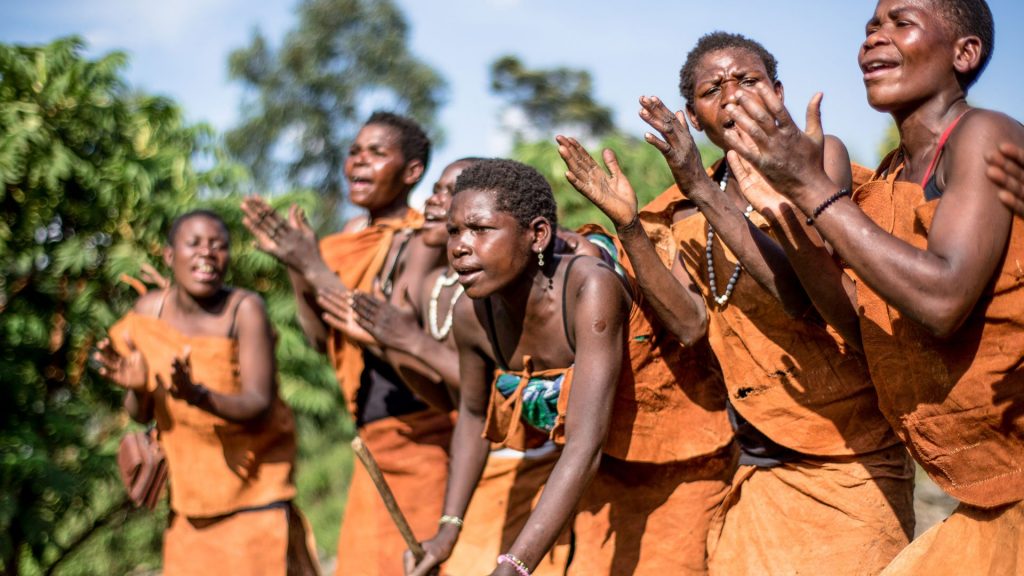
Mgahinga is also home to the Batwa people, one of the indigenous communities of the region. The Batwa originally lived in the forest as hunter-gatherers.
Today, cultural tours allow visitors to learn about their traditional lifestyle. During these experiences, guides explain how the Batwa used plants, hunted animals, and lived in harmony with the forest.
In addition, visitors may witness traditional dances, storytelling, and craft demonstrations. These activities help preserve Batwa heritage while supporting community income.
Because of this cultural connection, Mgahinga offers more than wildlife. It also provides meaningful human experiences that enrich the safari journey.
Wildlife and Biodiversity in Mgahinga
Although mountain gorillas are the main attraction, Mgahinga supports a wide range of wildlife.
Golden monkeys are commonly seen in bamboo zones. In addition, forest elephants occasionally move through the park. Various antelope species and small mammals also inhabit the area.
Birdwatchers find Mgahinga especially rewarding. The park hosts many Albertine Rift endemic bird species. As a result, it attracts ornithologists and nature enthusiasts from around the world.
The combination of volcanic landscapes and dense forest creates a unique ecosystem. Therefore, biodiversity remains one of Mgahinga’s strongest conservation values.
Best Time to Visit Mgahinga Gorilla National Park
Mgahinga can be visited throughout the year. However, the dry seasons offer the best trekking conditions.
During dry months, forest trails remain less slippery. As a result, gorilla trekking becomes easier and more comfortable.
Rainy seasons bring lush green scenery and fewer tourists. Although trekking becomes more challenging, the forest looks more vibrant.
Therefore, travelers should choose based on preference. Adventure-focused visitors may enjoy the wet season, while first-time trekkers often prefer dry months.
Accommodation Options Near Mgahinga
Visitors to Mgahinga can choose from various accommodation options. These range from luxury lodges to budget guesthouses in Kisoro and surrounding areas.
Many lodges offer views of the volcanoes and surrounding forests. In addition, some accommodations support community tourism initiatives.
Staying near the park entrance provides easy access to trekking activities. Therefore, most travelers prefer lodges within short driving distance.
Because tourism in this region is growing, accommodation options continue to expand and improve.
What to Expect During a Gorilla Safari
Gorilla trekking requires physical effort, patience, and preparation. Treks take place in dense forest environments with uneven terrain.
Travelers should wear hiking boots, long clothing, and carry rain gear. In addition, they should bring water and energy snacks.
Porters are available to help carry bags during the trek. This also supports local employment.
Although trekking can be challenging, it remains one of the most rewarding wildlife experiences in the world. Therefore, visitors often describe it as life-changing.
Conservation and Responsible Tourism
Gorilla tourism directly supports conservation efforts in Uganda. A portion of permit fees funds park protection and community development.
In addition, tourism has helped increase mountain gorilla populations over the years. This success shows the importance of sustainable travel.
Visitors are encouraged to follow park rules strictly. For example, maintaining distance from gorillas and avoiding littering helps protect the environment.
Responsible tourism ensures that future generations can continue to experience these incredible animals.
Travel Tips for Visiting Mgahinga
Travelers should prepare physically for trekking activities. Regular walking or hiking before the trip helps improve endurance.
It is also important to book gorilla permits in advance. Demand is high, and availability is limited.
Packing light but appropriately makes trekking easier. Waterproof gear is especially useful due to changing weather conditions.
Finally, hiring experienced guides improves both safety and overall experience.
FAQ About Mgahinga Gorilla Safaris
How difficult is gorilla trekking in Mgahinga?
It ranges from moderate to challenging depending on gorilla location.
How long does a gorilla trek take?
It can take between 2 and 8 hours including tracking time.
Is Mgahinga better than Bwindi?
Both are excellent. Mgahinga is quieter, while Bwindi has more gorilla families.
Can children go gorilla trekking?
No. The minimum age is usually 15 years.
Final Thoughts: Why Visit Mgahinga Gorilla National Park
Mgahinga Gorilla National Park offers one of the most authentic safari experiences in Africa. It combines rare wildlife, volcanic landscapes, and cultural heritage in one destination.
Travelers can track mountain gorillas, observe golden monkeys, hike volcanoes, and meet local communities. In addition, the park provides a peaceful alternative to busier safari destinations.
Because it lies within the Virunga Conservation Area, every visit contributes directly to conservation efforts. Therefore, travelers do not only explore nature they help protect it.
Ultimately, Mgahinga delivers a powerful and unforgettable safari experience that connects visitors with wildlife, landscapes, and culture in a deeply meaningful way.


