
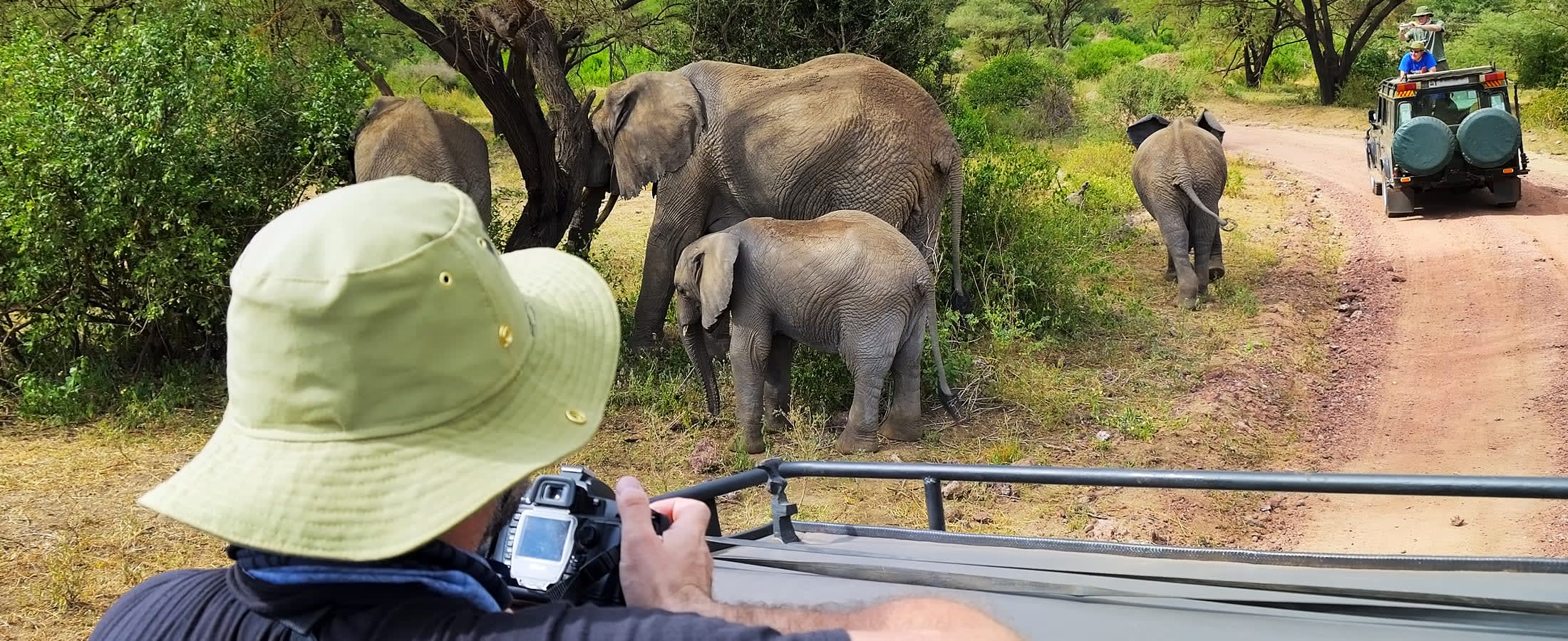
Why Responsible Travel Matters in Uganda
Responsible tourism in Uganda matters because it ensures that travel has a positive impact on both the environment and the communities we visit. In a world where mass tourism often leads to cultural erosion, environmental degradation, and economic imbalance, responsible travel offers a more sustainable and ethical alternative.
Uganda, famously known as the Pearl of Africa, is home to lush rainforests, rare mountain gorillas, the mighty River Nile, and a tapestry of vibrant cultures. But beyond its breathtaking landscapes and wildlife lies a deeper truth: Uganda is embracing responsible travel as a way to protect its natural treasures and empower local communities.
In Uganda, responsible travel means journeying with awareness, purpose, and respect. It’s about reducing the negative effects of mass tourism, preserving fragile ecosystems, and promoting community development. For travelers seeking meaningful and ethical experiences, Uganda offers an unforgettable adventure one that leaves a positive footprint on both people and the planet.
Uganda Tourism Board – Official Site
What Is Responsible Travel in Uganda?
Responsible travel in Uganda is a mindful approach to tourism that prioritizes sustainability, respect for local cultures, and conservation of the country’s rich biodiversity. It goes beyond sightseeing it’s about engaging ethically with communities, supporting local economies, and protecting natural resources. In Uganda, this means choosing eco-friendly lodges, minimizing waste, respecting wildlife in their natural habitats, and participating in community-based tourism initiatives. It also involves learning about and honoring local traditions, buying locally made crafts, and ensuring that tourism revenue benefits Ugandans directly. Responsible travelers in Uganda seek to leave a positive impact by reducing their ecological footprint and contributing to the long-term well-being of the people and places they visit. Whether it’s trekking with endangered mountain gorillas, visiting cultural villages, or volunteering in conservation projects, responsible travel in Uganda ensures that tourism becomes a force for good protecting the environment and uplifting communities for generations to come.
Responsible Tourism Partnership
1.The Role of Community in Responsible Tourism

Local communities are at the heart of responsible tourism in Uganda. They are not just destinations they are partners, storytellers, and stewards of the natural and cultural heritage travelers come to experience. Responsible tourism ensures that these communities benefit socially, culturally, and economically from tourism activities.
By involving local people in planning, guiding, hosting, and decision-making, tourism becomes a tool for empowerment. Community-based tourism initiatives in Uganda such as village walks, homestays, craft markets, and cultural performances provide authentic experiences for visitors while creating jobs, preserving traditions, and reducing poverty.
Moreover, when communities recognize the value of tourism, they are more likely to protect wildlife and conserve their environment. For example, revenue-sharing programs from gorilla permits in Bwindi help fund local schools, clinics, and conservation efforts.
In essence, responsible tourism thrives when communities are respected, supported, and included turning tourism into a catalyst for sustainable development.
Why Gorilla Permits Are Still the Hottest Ticket in Uganda
2.Reducing Environmental Impact
Reducing environmental impact is a core principle of responsible travel in Uganda. As a country rich in biodiversity, including endangered species like mountain gorillas and unique ecosystems like wetlands and tropical forests, Uganda requires thoughtful tourism practices to protect these natural resources.
Responsible travelers are encouraged to minimize their carbon footprint by choosing eco-friendly lodges that use solar energy, conserve water, and manage waste responsibly. Avoiding single-use plastics, carrying reusable water bottles, and properly disposing of litter are small but powerful actions.
Visitors are also urged to follow park rules during safaris or treks keeping a safe distance from wildlife, avoiding loud noises, and sticking to designated trails to prevent habitat disruption.
In addition, supporting conservation programs and eco-tourism initiatives helps fund the protection of fragile environments. By traveling consciously, tourists in Uganda can enjoy its natural wonders while ensuring they remain intact for future generations.
Ultimate Guide to Gorilla Trekking in Bwindi
3. Before You Travel
Preparation is key to responsible travel in Uganda. Before your trip, take time to learn about the local culture, customs, and languages simple greetings in Luganda or Swahili can foster goodwill and deeper connections. Research eco-friendly accommodations and tour operators committed to sustainable practices.
It’s also important to pack thoughtfully. Avoid single-use plastics and bring reusable items like water bottles, shopping bags, and biodegradable toiletries to minimize waste. Ensure any gifts you bring are culturally appropriate and useful to local communities.
Additionally, check for any volunteer opportunities or community projects you can support, aligning your skills and interests with genuine needs. Proper preparation not only enriches your experience but also reduces your environmental footprint and maximizes your positive impact on Uganda’s people and places.
4. While on Safari

During your safari in Uganda, practicing responsible behavior is essential to protect wildlife and support local communities. Always follow park regulations, such as maintaining a safe distance from animals especially endangered species like mountain gorillas and avoiding loud noises or sudden movements that could disturb them. Use designated trails to minimize environmental damage and prevent habitat disruption.
Support local economies by purchasing crafts and goods directly from artisans and vendors. Choose tour operators and guides who prioritize sustainable practices and employ local staff, ensuring that your spending benefits the community.
Be mindful of your resource consumption conserve water and electricity at lodges, and properly dispose of all waste, especially plastics. By respecting both the environment and the people who call these areas home, you help preserve Uganda’s natural beauty and cultural richness for future generations to enjoy.
5. After Your Trip
Once your safari in Uganda concludes, responsible travel continues through reflection and ongoing support. Share your experiences thoughtfully by providing honest feedback to tour operators, lodges, and conservation organizations this helps improve sustainable practices. Encourage friends and family to choose eco-friendly travel options and responsible operators.
Consider maintaining a connection by supporting local projects or NGOs you encountered during your visit, through donations or remote volunteering. Spreading awareness about Uganda’s conservation challenges and community initiatives also amplifies your positive impact.
Finally, adopt responsible travel habits in your everyday life, reinforcing the values you embraced on your journey. By doing so, you contribute to a global culture of sustainable tourism that benefits both people and the planet long after your trip ends.
6. Supporting Conservation Through Tourism
Tourism plays a vital role in funding Uganda’s conservation efforts, especially in protecting endangered species and fragile ecosystems. Revenue generated from activities like gorilla trekking permits directly supports anti-poaching patrols, habitat restoration, and community conservation projects. This financial backing ensures that protected areas such as Bwindi Impenetrable Forest and Mgahinga Gorilla National Park remain safe havens for wildlife.
Visitors also contribute by adhering to park guidelines maintaining respectful distances from animals, avoiding littering, and minimizing noise pollution to reduce human impact on sensitive habitats. Furthermore, choosing tour operators and lodges committed to sustainability reinforces conservation goals.
By participating in conservation-focused experiences, travelers help raise awareness and funding that empower local communities to protect their natural heritage. Ultimately, responsible tourism in Uganda becomes a partnership between visitors, locals, and wildlife, securing a future where nature and people thrive together.
Responsible Wildlife Viewing
Responsible wildlife viewing in Uganda is essential to protect both animals and their habitats while ensuring unforgettable experiences for travelers. When observing iconic species like mountain gorillas or chimpanzees, maintaining a safe distance typically at least 7 meters is crucial to prevent stress and disease transmission. Wearing masks during gorilla treks further reduces health risks to these vulnerable animals.
Visitors should avoid loud noises, sudden movements, and flash photography, all of which can disturb wildlife behavior. Staying on marked trails minimizes habitat damage and helps preserve the delicate ecosystems these animals depend on.
Guides play a vital role in enforcing these rules and educating tourists about conservation. By respecting wildlife and their environment, travelers help sustain Uganda’s rich biodiversity, ensuring future generations can enjoy these incredible creatures in their natural homes. Responsible viewing supports both animal welfare and broader conservation efforts throughout the country.
7. Ethical Purchasing and Local Products
Supporting local artisans and purchasing ethically made products is a powerful way to contribute to Uganda’s communities while preserving cultural heritage. When travelers choose handmade crafts such as barkcloth art from Masaka, beaded jewelry from Karamojong women, or woven baskets from Buganda they directly empower local families and sustain traditional skills.
Buying locally produced goods reduces dependence on imported items, keeps money circulating within the community, and encourages environmentally friendly practices. However, it’s important to avoid souvenirs made from animal parts like ivory or tortoise shells, as these contribute to wildlife exploitation.
Additionally, steer clear of mass-produced trinkets that lack cultural significance or harm the environment. By making mindful purchases, responsible travelers support fair trade, foster economic independence, and promote the conservation of Uganda’s unique cultural and natural heritage.
Choose These:
-
Barkcloth art from Masaka
-
Beaded jewelry by Karamojong women
-
Handwoven baskets from Buganda
-
Recycled paper goods from community workshops
Avoid These:
-
Items made with ivory or animal products
-
Souvenirs wrapped in plastic
-
Generic factory-made trinkets
By supporting these ethical purchases, you’re helping keep traditional arts alive and encouraging economic independence.
8. Volunteering and Giving Back
Volunteering and giving back in Uganda offer meaningful ways to deepen your travel impact, but they require thoughtful planning to ensure benefits for both visitors and communities. Responsible volunteering involves partnering with reputable organizations that address real local needs whether teaching, healthcare support, conservation, or community development.
Before committing, align your skills and availability with projects that empower locals rather than create dependency. Avoid unregulated “voluntary tourism” ventures, especially in sensitive areas like orphanages, which can sometimes do more harm than good.
Giving back through donations is equally important. Instead of giving money directly to individuals, support schools, women’s cooperatives, and health centers with supplies or funding. This approach fosters sustainable development and strengthens community resilience.
Ultimately, volunteering and philanthropy in Uganda should respect local autonomy and contribute to long-term positive change making your travel truly transformative for both you and the people you serve.
Responsible Volunteering
Contact your tour operator in advance to identify legitimate placements. Depending on your skills and time, you could:
-
Teach language or computer skills
-
Assist in health awareness campaigns
-
Contribute to tree planting and eco-building
-
Support animal rescue and rehabilitation
Impactful Donations
Making impactful donations in Uganda requires thoughtful consideration to ensure your contributions support sustainable community growth. Instead of giving money or treats directly to individuals, especially children, focus on donating resources that address long-term needs such as educational materials for schools, medical supplies for health clinics, or equipment for women’s cooperatives.
Partnering with reputable local organizations or tour operators helps guarantee that donations reach the intended beneficiaries transparently and efficiently. This approach empowers communities to build capacity and improve living standards sustainably.
Additionally, supporting conservation initiatives through financial contributions helps protect Uganda’s unique wildlife and natural habitats. Thoughtful giving reinforces responsible travel by creating lasting benefits beyond your visit, fostering positive change that uplifts both people and the environment.
9. Respecting Ugandan Culture and Customs
Respecting Ugandan culture and customs is fundamental to responsible travel. Uganda is a diverse nation with over 50 ethnic groups, each with unique traditions, languages, and beliefs. Showing respect fosters meaningful connections and helps preserve cultural heritage.
Visitors should dress modestly, especially in rural areas and religious sites, to honor local values. Always ask permission before photographing people to respect their privacy and dignity. Avoid public displays of affection and be mindful of local customs and religious practices.
Engaging in cultural activities like traditional dances, home visits, and local ceremonies enriches your experience while supporting communities. Listening attentively and approaching interactions with humility and curiosity deepens mutual understanding.
By embracing and honoring Uganda’s rich cultural tapestry, travelers contribute to a respectful, inclusive tourism environment that benefits both visitors and hosts alike.
Cultural Etiquette Tips
-
Dress conservatively, especially in rural areas
-
Always ask before photographing locals
-
Avoid public displays of affection
-
Show reverence at religious sites
-
Listen more than you speak in community settings
In addition, joining village walks or traditional cooking classes can enhance your understanding while directly supporting locals.
10. Small Group Travel = Big Impact
Traveling in small groups of one to seven people is a cornerstone of responsible tourism in Uganda. Unlike large tour buses, small groups minimize environmental pressure on fragile ecosystems, reducing trail erosion, waste, and noise pollution. This approach helps preserve the natural habitats of endangered species like mountain gorillas and protects Uganda’s unique landscapes.
Small group travel also fosters more meaningful interactions with local communities and guides. It allows for personalized experiences, cultural exchange, and deeper understanding of the places visited. Moreover, smaller groups support local economies more effectively by encouraging stays in community-run lodges and purchases from local artisans.
Ultimately, traveling with a small group maximizes the positive impact of your visit—benefiting wildlife conservation, community development, and providing a more authentic, intimate travel experience in Uganda.
11. Choosing Eco-Friendly Lodging
Selecting eco-friendly lodging is a vital part of responsible travel in Uganda. These accommodations prioritize sustainability by using renewable energy sources like solar power, implementing water conservation measures, and managing waste through recycling and composting. Many eco-lodges also employ local staff, invest in community projects, and use locally sourced, natural building materials to reduce their environmental footprint.
Staying at eco-certified or community-owned lodges supports conservation efforts and empowers surrounding communities economically and socially. Examples include Buhoma Lodge in Bwindi, which integrates solar energy and community involvement, and Kyaninga Lodge near Fort Portal, known for its sustainable practices and support for local initiatives.
By choosing such accommodations, travelers help protect Uganda’s fragile ecosystems while enjoying comfortable, authentic experiences. Eco-friendly lodging ensures that tourism contributes positively to both the environment and the livelihoods of local people, making your stay a meaningful part of Uganda’s sustainable tourism journey.
Top Eco-Lodges in Uganda
-
Buhoma Lodge (Bwindi): Solar-powered, community-run
-
Kyaninga Lodge (Fort Portal): Supports disability inclusion
-
Baker’s Lodge (Murchison Falls): Eco-focused, located by the Nile
Moreover, homestays provide a more culturally immersive and environmentally low-impact experience.
Top 10 Luxury Safari Lodges in Uganda for 2025
12. Your Impact After the Journey
Conclusion: Travel With Purpose, Leave a Legacy
Traveling to Uganda is more than a getaway it’s an opportunity to make a meaningful impact. By choosing responsible travel, you honor the country’s rich cultures, protect its extraordinary wildlife, and support local communities. Every mindful decision, from small group tours to eco-friendly accommodations and ethical purchases, contributes to sustainable development.
When you travel with purpose, you help preserve Uganda’s natural beauty and cultural heritage for future generations. Your journey becomes a legacy one that fosters respect, empowers people, and conserves the environment.
So what’s your next step?
Be the kind of traveler who makes a difference. Choose operators who care. Support local businesses. Share your story. Inspire others to follow in your sustainable footsteps.
Book your Uganda safari with Ababa Uganda Safari.
Pack consciously, travel ethically, and leave only positive footprints.
Uganda is waiting not just to be seen, but to be respected and protected. Will you rise to the call?
Quick Tips for Responsible Travel in Uganda (Checklist)
- ✅ Learn local phrases before arrival
- ✅ Pack reusable and biodegradable items
- ✅ Support local guides and businesses
- ✅ Buy Ugandan-made products
- ✅ Avoid single-use plastics
- ✅ Respect wildlife distance rules
- ✅ Dress respectfully
- ✅ Participate in cultural activities
- ✅ Volunteer wisely
- ✅ Leave reviews and give feedback


