
Ruhija Gorilla Trekking Guide (2026): Complete Expert Travel Guide to Bwindi’s Most Peaceful Gorilla Trekking Sector
Ruhija is one of the most remarkable gorilla trekking destinations in Uganda. Located in the eastern region of Bwindi Impenetrable National Park, this high-altitude sector combines dense rainforest, dramatic mountain scenery, exceptional biodiversity, and quieter trekking experiences that feel deeply authentic.
Unlike some of the busier gorilla trekking regions in Bwindi, Ruhija offers a calmer and more secluded atmosphere. As a result, travelers often experience a stronger connection to the rainforest environment while enjoying fewer crowds and more intimate wildlife encounters.
This Ruhija Gorilla Trekking Guide explains everything travelers need to know before visiting. It covers gorilla permits, trekking difficulty, accommodation, transport routes, conservation importance, gorilla families, weather conditions, cultural experiences, safety, and expert safari planning advice.
Why Ruhija Is One of the Best Gorilla Trekking Sectors in Uganda
Ruhija stands out because it combines tranquility, biodiversity, and high-altitude rainforest beauty in one destination. While sectors such as Buhoma and Rushaga attract larger tourism numbers, Ruhija remains quieter and less commercialized. Consequently, visitors often enjoy a more relaxed and immersive safari atmosphere.
The sector sits at an elevation of over 2,000 meters above sea level. Therefore, the environment feels cooler and fresher than many other safari destinations in Uganda. Morning mist frequently drifts across the forest canopy, creating dramatic scenery throughout the hills and valleys surrounding the park.
In addition, Ruhija is famous for birdwatching. The surrounding forest supports numerous Albertine Rift endemic bird species, making the region attractive not only to gorilla trekkers but also to wildlife photographers and birding enthusiasts.
The rainforest itself forms part of the greater Bwindi ecosystem, one of the most biologically significant forests in Africa. Nearly half of the world’s remaining mountain gorillas live within this ecosystem. Meanwhile, forest elephants, monkeys, butterflies, and rare plant species thrive throughout the dense vegetation.
As a result, Ruhija offers far more than a single wildlife activity. It delivers a complete rainforest safari experience built around conservation, biodiversity, and authentic wilderness immersion.
Where Ruhija Is Located
Ruhija lies in the eastern section of Bwindi Impenetrable Forest in southwestern Uganda. The sector sits between Kabale and Kisoro regions and overlooks parts of the Albertine Rift Valley.
Its elevated location gives Ruhija cooler temperatures throughout the year. Consequently, evenings and mornings often feel cold compared to lower safari regions.
The surrounding landscape combines steep hills, thick rainforest, terraced farmland, and local villages. Therefore, even the drive into Ruhija becomes visually rewarding.
Because the area remains less crowded than some other sectors, travelers often experience a greater sense of peace and isolation within the forest environment.
How to Get to Ruhija
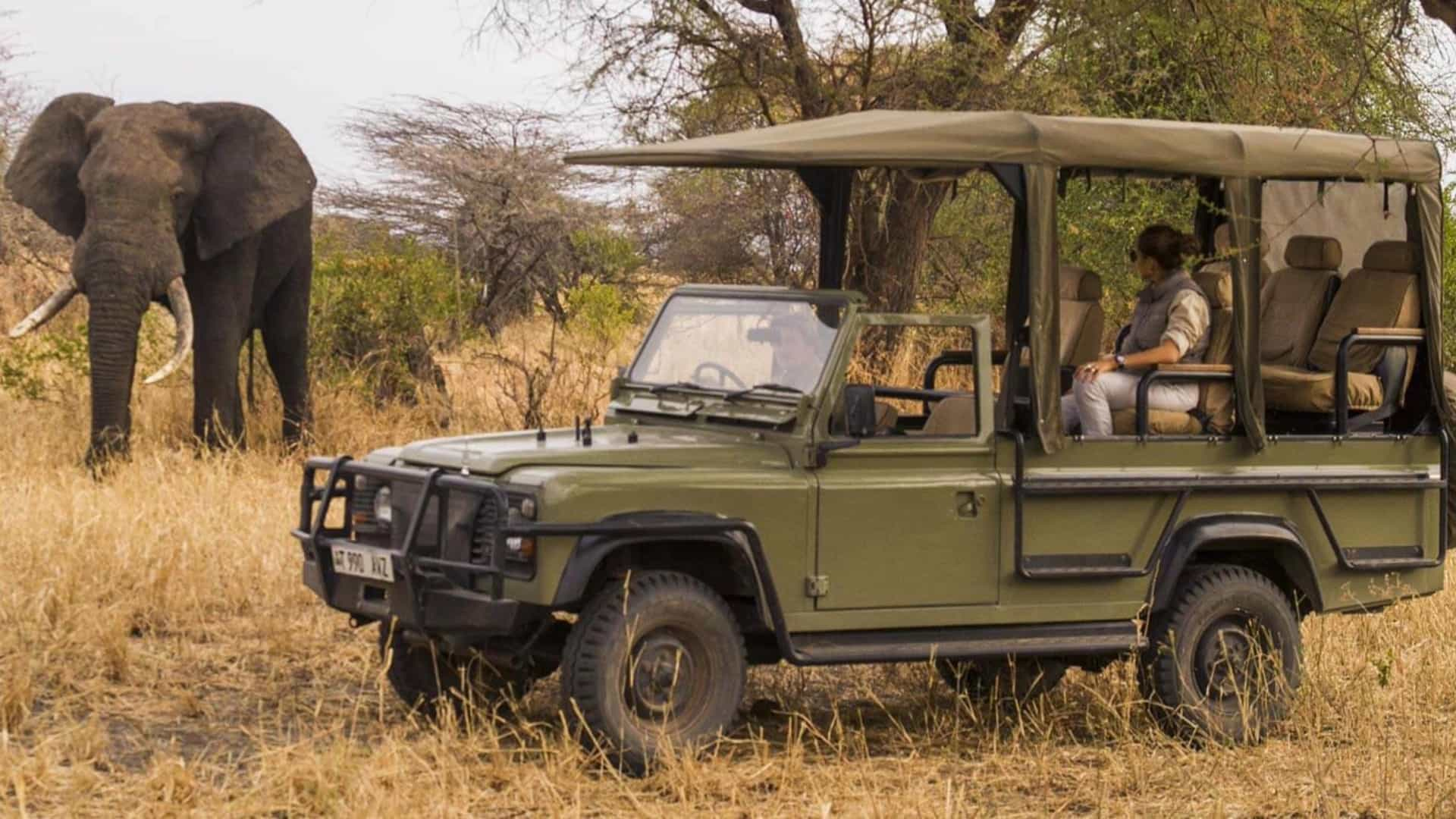
Travelers can reach Ruhija by road or domestic flight depending on travel preferences and safari budget.
Traveling to Ruhija by Road
Most visitors begin their journey from Kampala or Entebbe. The drive generally takes between eight and ten hours depending on traffic conditions, weather, and stopovers.
Although the journey is long, it offers changing scenery across western Uganda. Travelers pass tea plantations, rolling hills, traditional villages, and wildlife regions before approaching Bwindi.
Many safari itineraries include overnight stops near Lake Mburo National Park or Queen Elizabeth National Park to reduce travel fatigue.
Meanwhile, travelers entering Uganda through Rwanda may also access Ruhija through border crossings near Kabale or Kisoro.
Domestic Flights to Ruhija
Domestic flights provide a faster option for travelers with limited time.
Flights from Entebbe operate to Kihihi or Kisoro airstrips depending on the safari route. After landing, visitors continue by road to Ruhija through the mountainous southwestern region.
Although flights increase safari costs, they significantly reduce long road travel and improve comfort for shorter itineraries.
Gorilla Trekking Experience in Ruhija

Gorilla trekking in Ruhija follows a carefully managed conservation system supervised by the Uganda Wildlife Authority.
The experience begins early in the morning at the Ruhija briefing center. Rangers explain trekking procedures, health precautions, conservation rules, and safety guidelines before assigning gorilla groups.
Assignments depend partly on visitor fitness levels and current gorilla movements within the forest.
After briefing, ranger guides lead trekkers into the rainforest while trackers move ahead searching for signs of gorilla activity. They follow fresh nests, feeding remains, broken branches, and footprints through the jungle.
As visitors move deeper into the forest, the atmosphere changes completely. Dense vegetation blocks sunlight while birds call from the canopy above. Thick vines, moss-covered trees, and mist-covered slopes create a dramatic rainforest setting.
The trek itself may last between one and six hours depending on gorilla location. Some groups remain close to the briefing area, while others move deeper into remote sections of the forest.
Eventually, trackers locate a habituated gorilla family. At this moment, the atmosphere becomes quieter and more emotional.
Visitors spend one strictly regulated hour with the gorillas while observing natural behaviors such as feeding, grooming, resting, and playful interaction among juveniles.
Silverbacks usually remain calm yet highly observant. Their size, intelligence, and human-like expressions often leave visitors speechless.
Consequently, many travelers describe the encounter as one of the most powerful wildlife experiences in the world.
How Difficult Is Gorilla Trekking in Ruhija?
Ruhija trekking ranges from moderate to challenging depending on weather conditions and gorilla movement patterns.
The sector’s high elevation means trekkers often navigate steep hills and dense vegetation. In addition, rainfall can create slippery trails and muddy conditions.
However, many travelers consider Ruhija slightly more manageable than Nkuringo because certain trekking routes involve less extreme elevation change.
Trek duration varies daily because gorillas move constantly through the rainforest ecosystem.
Some groups locate gorillas within two hours, while others spend longer navigating remote forest sections.
Despite the challenge, most visitors complete the trek successfully because rangers adjust pace according to group ability.
Local porters also provide valuable support during difficult sections. Hiring a porter improves comfort while directly supporting nearby communities through tourism income.
Gorilla Families in Ruhija

Ruhija hosts several habituated gorilla families monitored closely by researchers and park authorities.
The Bitukura family remains one of the best-known groups in the sector because of its calm behavior and relatively peaceful social structure.
The Oruzogo family also attracts many trekkers because it often displays playful and active behavior among juveniles.
Meanwhile, other families move across different sections of the forest depending on food availability and social dynamics.
Because gorilla movement patterns change daily, no two trekking experiences feel exactly the same.
One encounter may involve observing gorillas feeding quietly in bamboo vegetation. Another may involve following a family through steep rainforest terrain while juveniles interact energetically nearby.
This unpredictability keeps the experience authentic and exciting for every visitor.
Gorilla Permit Costs in Ruhija (2026)
Every traveler must obtain a valid gorilla trekking permit before entering the forest.
The Uganda Wildlife Authority limits daily permits carefully to protect gorillas from excessive human exposure and stress.
As of 2026, foreign non-resident permits cost approximately USD 800 per person. Meanwhile, discounted pricing applies to foreign residents and East African citizens.
Permit fees include:
- Park entry access
- Ranger guide services
- Gorilla tracking operations
- One hour with a habituated gorilla family
Importantly, permit revenue directly supports conservation programs, veterinary care, anti-poaching patrols, and local community development initiatives around Bwindi.
As a result, every visitor contributes directly to protecting endangered mountain gorillas and preserving the rainforest ecosystem.
Because permits sell quickly during peak travel seasons, advance booking is strongly recommended.
Best Time to Visit Ruhija
Ruhija operates throughout the year because mountain gorillas remain within the forest permanently.
However, weather conditions influence trekking comfort and photography opportunities.
Dry Season Gorilla Trekking
The dry seasons from June to September and December to February generally provide easier hiking conditions.
Trails remain firmer, rainfall decreases, and visibility improves. Consequently, these months attract the highest number of visitors.
Travelers who prefer easier trekking conditions usually choose this period.
Wet Season Gorilla Trekking
The rainy seasons from March to May and October to November create more challenging trekking conditions because trails become muddy and slippery.
Nevertheless, the rainforest becomes exceptionally lush and visually dramatic during these months.
In addition, visitor numbers decline significantly. Therefore, trekkers often experience quieter forest trails and more private gorilla encounters.
Photographers also appreciate the misty rainforest atmosphere created by rainfall and cloud cover.
Accommodation in Ruhija
Ruhija offers accommodation options ranging from luxury eco-lodges to mid-range safari lodges and budget guesthouses.
Most lodges sit near the forest edge and provide panoramic views across the surrounding hills and rainforest canopy.
Luxury properties focus on comfort, privacy, personalized service, and scenic mountain views.
Meanwhile, mid-range lodges provide strong value while maintaining convenient access to trekking briefing points.
Budget accommodations offer simpler experiences for travelers prioritizing affordability and adventure.
Many lodges incorporate environmentally responsible architecture using local materials and sustainable tourism practices.
Consequently, tourism infrastructure blends naturally into the surrounding ecosystem.
Conservation Importance of Ruhija Gorilla Trekking
Ruhija plays an important role in global mountain gorilla conservation efforts.
Decades ago, mountain gorilla populations faced severe threats from poaching, habitat destruction, and regional instability. However, carefully regulated tourism has helped stabilize and gradually increase gorilla numbers.
Strict trekking regulations now limit visitor impact and reduce disease transmission risks between humans and gorillas.
At the same time, tourism revenue creates jobs for surrounding communities. This reduces pressure on forest resources while strengthening conservation partnerships.
As a result, Ruhija represents one of Africa’s strongest examples of sustainable wildlife tourism.
Every trekking permit contributes directly to protecting one of the world’s rarest primates.
Cultural Experiences Around Ruhija
The communities surrounding Ruhija add important cultural depth to the safari experience.
Visitors often participate in traditional dance performances, storytelling experiences, village walks, and coffee tours that showcase local lifestyles and traditions.
The Batwa cultural experience also remains significant in this region. Historically, the Batwa people lived within the forest before conservation boundaries transformed the area.
Today, cultural tourism initiatives help preserve Batwa traditions while generating community income.
Consequently, travelers gain a deeper understanding of the relationship between conservation, local identity, and sustainable tourism development.
What to Pack for Gorilla Trekking in Ruhija

Preparation is extremely important because rainforest conditions can change quickly.
Waterproof hiking boots remain essential since forest trails often become muddy and slippery.
Long trousers and long-sleeved shirts help protect against insects, stinging plants, and scratches from dense vegetation.
Rain jackets are necessary throughout the year because sudden rainfall occurs frequently in Bwindi.
Meanwhile, gloves provide extra support during steep climbs where trekkers may hold branches or vegetation for balance.
Travelers should also carry drinking water, energy snacks, insect repellent, and cameras suited for low-light rainforest conditions.
Safety During Gorilla Trekking in Ruhija
Ruhija remains safe for tourism, and Uganda Wildlife Authority rangers maintain strong visitor protection procedures.
Guides receive specialized training in wildlife behavior, emergency response, and rainforest navigation.
Armed ranger escorts accompany trekking groups because the forest ecosystem also contains elephants and buffalo.
Health regulations remain strict because gorillas are highly vulnerable to human respiratory diseases.
Visitors experiencing flu-like symptoms may not be allowed to trek because infections can spread to gorilla families.
These measures protect both wildlife and visitors while ensuring sustainable tourism standards.
Ruhija vs Other Bwindi Gorilla Trekking Sectors
Travelers often compare Ruhija with Buhoma, Rushaga, and Nkuringo when planning a Bwindi safari.
Ruhija stands out because of its peaceful atmosphere, strong birdwatching opportunities, and high-altitude rainforest scenery.
Meanwhile, Buhoma offers easier accessibility and stronger tourism infrastructure.
Nkuringo provides steeper terrain and more dramatic mountain views, while Rushaga offers the highest concentration of habituated gorilla families.
Therefore, the best sector depends on travel style, fitness level, scenery preferences, and safari goals.
However, Ruhija consistently appeals to travelers seeking quieter rainforest immersion and authentic trekking experiences away from larger tourist crowds.
Suggested 3-Day Ruhija Gorilla Safari Itinerary
Most travelers spend at least three days exploring Ruhija and surrounding regions.
The first day usually focuses on arrival and relaxation while enjoying forest scenery and cool mountain air.
The second day centers entirely on gorilla trekking. Depending on gorilla movement patterns, the activity may last several hours before returning to the lodge for relaxation.
On the final day, visitors often participate in birdwatching or cultural experiences before continuing toward other safari destinations in western Uganda.
Longer itineraries frequently combine Ruhija with Queen Elizabeth National Park or other gorilla trekking sectors within Bwindi.
Frequently Asked Questions About Ruhija Gorilla Trekking
Is Ruhija Good for Gorilla Trekking?
Yes. Ruhija offers quieter trekking experiences, rich biodiversity, and exceptional rainforest scenery.
How Difficult Is Ruhija Gorilla Trekking?
The trek ranges from moderate to challenging depending on weather conditions and gorilla location.
How Much Is a Gorilla Permit in Ruhija?
As of 2026, foreign non-resident permits cost approximately USD 800.
What Is the Best Time to Visit Ruhija?
Dry seasons provide easier hiking conditions, while wet seasons offer greener scenery and fewer tourists.
Is Ruhija Better Than Buhoma?
Ruhija offers a quieter and more remote rainforest atmosphere, while Buhoma provides easier access and more developed tourism infrastructure.
Final Thoughts
Ruhija remains one of the most rewarding gorilla trekking destinations in Africa. Its cool mountain climate, dense rainforest, extraordinary biodiversity, and peaceful trekking atmosphere create a safari experience that feels deeply authentic.
Located within Bwindi Impenetrable National Park, Ruhija represents far more than a tourism destination. It stands as a globally important conservation area protecting one of Earth’s last remaining mountain gorilla populations.
Every trek supports wildlife conservation, community development, and sustainable tourism across southwestern Uganda.
For travelers seeking meaningful rainforest immersion and unforgettable mountain gorilla encounters, Ruhija remains one of the finest gorilla trekking sectors in the world.


