
Rushaga Gorilla Trekking Experience: The Ultimate Guide to Bwindi’s Wildest Sector
Rushaga lies in the southern part of Bwindi Impenetrable National Park in southwestern Uganda. It has steadily grown into one of the most sought-after gorilla trekking destinations in Africa. This is because it combines rugged terrain, multiple gorilla families, and a deeply immersive rainforest experience.
This guide explains the full Rushaga gorilla trekking experience. Moreover, it shows how the process works, what makes the sector unique, and what you should realistically expect before entering the forest.
Understanding the Rushaga Gorilla Trekking Experience
Rushaga delivers one of the most dynamic gorilla trekking experiences in Bwindi. Unlike more predictable sectors, however, this region offers constant variation in trekking routes and gorilla movements. As a result, no two experiences feel the same.
In addition, travelers often prefer Rushaga because it offers more gorilla families than many other sectors. Therefore, permit availability tends to be more flexible, even during peak seasons.
At the same time, the experience feels raw and physically demanding. Consequently, trekkers must prepare for a true rainforest adventure rather than a simple wildlife walk.
Location and Natural Setting of Rushaga
Rushaga sits within the southern section of Bwindi’s rainforest ecosystem. Therefore, it forms part of one of the most biologically diverse environments in Africa.
The landscape features steep ridges, deep valleys, and dense vegetation that stretches across the horizon. Moreover, this rugged structure creates constant variation during trekking.
Because the forest forms part of a globally significant ecosystem, it supports nearly half of the world’s remaining mountain gorillas. In addition, it shelters rare birds, primates, and plant species that depend entirely on this habitat.
As you move deeper into the forest, the environment changes noticeably. For instance, noisy bird activity gradually fades, and the forest becomes quieter. Consequently, trekkers experience a stronger sense of isolation and immersion.
How Gorilla Trekking Works in Rushaga
Gorilla trekking in Rushaga follows a strict conservation system managed by the Uganda Wildlife Authority. Therefore, every step of the experience is carefully controlled to protect both visitors and gorillas.
To begin with, your day starts at the Rushaga briefing point. Rangers gather all trekkers early in the morning and explain safety guidelines in detail. Meanwhile, they prepare teams for assignment to different gorilla families.
After the briefing, rangers assign groups based on fitness levels and gorilla movement patterns. In addition, they consider real-time tracking updates to improve trekking success.
Once assignments are complete, trekkers enter the forest with experienced guides. At the same time, trackers move ahead to locate gorilla families using fresh signs such as nests, footprints, and feeding traces.
Trek duration varies significantly. For example, some groups find gorillas within one hour, while others may hike for several hours through steep terrain. Consequently, flexibility becomes a key part of the experience.
When trackers locate a gorilla family, they alert the trekking team. Immediately afterward, rangers guide visitors into a controlled observation position.
You then spend exactly one hour with the gorillas. Importantly, this rule remains strictly enforced. Therefore, the animals remain calm and undisturbed.
During this time, you may observe a silverback quietly monitoring his group. Meanwhile, younger gorillas often play, climb, or interact socially. As a result, the experience feels both emotional and deeply immersive.
Gorilla Families in Rushaga

Rushaga hosts several habituated gorilla families, and therefore it offers one of the highest trekking success rates in Bwindi. Rangers monitor these groups daily to track their movement and behavior.
Historically, the Mubare group played a major role in establishing gorilla tourism in Bwindi. Consequently, it remains one of the most recognized families in Uganda’s conservation history.
Other families, however, behave differently. Some remain calm and feed in one location for long periods. In contrast, others move frequently across the forest in search of food.
Because of this variation, every trek feels different. For instance, one day you may observe a relaxed family resting together, while on another day you may track a fast-moving group across steep terrain.
In addition, Rushaga offers gorilla habituation experiences. As a result, visitors can spend extended time with semi-habituated groups under controlled research conditions.
Terrain and Difficulty Level
Rushaga is widely considered one of the most physically demanding trekking sectors in Bwindi. This is because the terrain includes steep slopes, dense vegetation, and unpredictable weather patterns.
After rainfall, trails often become slippery. Therefore, trekkers must move carefully across muddy and uneven ground.
However, experienced rangers guide every group safely through the forest. In addition, they adjust routes based on gorilla movement and terrain conditions.
As you continue trekking, the landscape changes frequently. For example, dense jungle may shift into bamboo zones, and then open forest clearings may appear unexpectedly.
Consequently, the physical challenge increases the sense of achievement once you finally reach the gorillas.
Best Time for Rushaga Gorilla Trekking
Rushaga allows trekking throughout the year because gorillas remain in the forest permanently. Therefore, sightings remain consistent regardless of season.
During dry seasons, trails become firmer and easier to navigate. As a result, trekking conditions improve significantly, especially for first-time visitors.
In contrast, wet seasons transform the forest into a lush green environment. However, rainfall makes the terrain more challenging and physically demanding.
Nevertheless, wet seasons attract fewer tourists. Consequently, visitors enjoy a quieter and more intimate forest experience.
Ultimately, both seasons offer excellent wildlife encounters, and therefore the choice depends on personal preference rather than accessibility.
Gorilla Permits and Conservation Value
You must obtain a gorilla permit before trekking in Rushaga. The Uganda Wildlife Authority issues these permits in limited numbers each day. Therefore, visitor numbers remain carefully controlled.
This system plays a crucial role in conservation. For instance, it prevents overcrowding and reduces stress on gorilla families.
In addition, permit fees directly fund conservation programs such as anti-poaching patrols, veterinary care, and community development projects.
As a result, mountain gorilla populations have steadily increased over time. Consequently, Rushaga remains part of one of Africa’s most successful conservation models.
Every permit contributes directly to protecting endangered wildlife and sustaining the ecosystem.
Accommodation in Rushaga
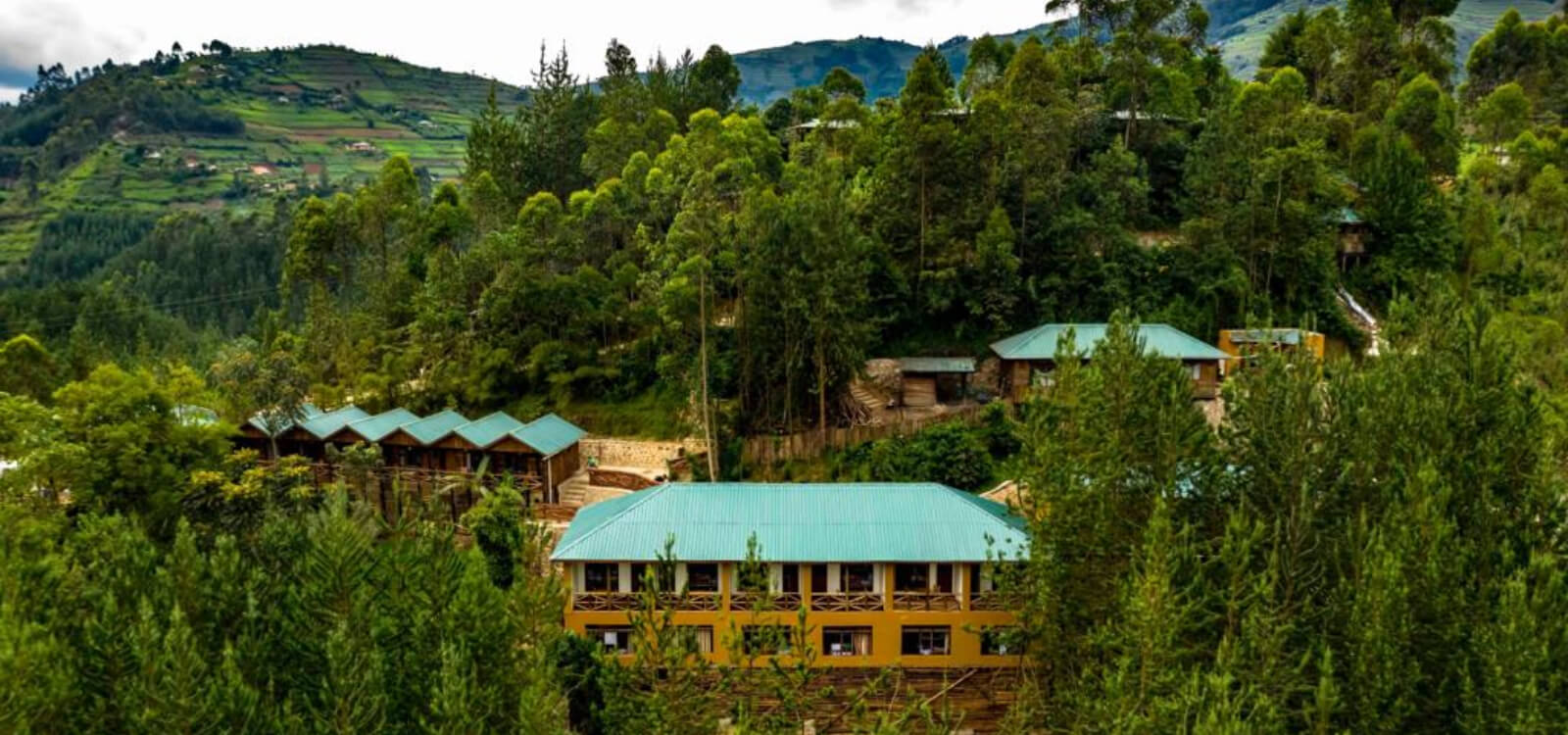
Rushaga offers a wide range of accommodation options that suit different budgets. Therefore, travelers can choose between luxury lodges, mid-range eco-lodges, and community guesthouses.
Most lodges sit close to the forest edge. As a result, trekkers can reach briefing points quickly in the morning.
In addition, many lodges use sustainable materials that blend into the natural environment. This approach reduces environmental impact while maintaining comfort.
Staying in Rushaga enhances the overall experience significantly. For instance, guests wake up to forest sounds and cool mountain air.
Moreover, tourism directly benefits local communities by creating jobs and supporting local businesses. Consequently, conservation and community development remain closely connected.
What to Expect on Trekking Day
Trekking day begins early at the briefing center. First, rangers explain safety rules and assign gorilla groups.
Afterward, trekkers enter the forest with guides and trackers. Initially, the hike feels manageable, but it becomes more demanding as the terrain steepens.
Meanwhile, trackers communicate ahead to locate gorilla movements. Therefore, trekking routes adjust dynamically based on real-time information.
Once gorillas are found, the environment changes immediately. Consequently, silence becomes essential, and movement slows significantly.
During the one-hour viewing period, visitors observe natural behavior up close. However, this time passes quickly due to the intensity of the experience.
After the encounter, trekkers begin their return journey. As a result, many people use this time to reflect on the experience.
Cultural Experiences Around Rushaga
In addition to wildlife, Rushaga offers meaningful cultural experiences. Visitors can watch traditional performances that include music, dance, and storytelling.
These experiences highlight how local communities live alongside the forest. Moreover, they show how tourism supports livelihoods in the region.
Craft markets also allow direct interaction with artisans. Consequently, visitors gain deeper insight into local culture and creativity.
Therefore, cultural experiences add important depth to the overall trekking journey.
Responsible Gorilla Trekking
Responsible behavior remains essential for protecting gorilla populations. Therefore, trekkers must follow ranger instructions at all times.
Maintaining distance from gorillas protects both humans and animals. In addition, it prevents disease transmission and reduces stress on wildlife.
Visitors must also avoid loud noise and sudden movements. Consequently, gorillas continue behaving naturally during observation.
Health precautions remain important due to genetic similarity between humans and gorillas. Therefore, strict hygiene rules support long-term conservation.
Ultimately, these guidelines ensure the sustainability of gorilla tourism in Bwindi.
Conclusion
Rushaga offers one of the most immersive gorilla trekking experiences within Bwindi Impenetrable National Park. Its rugged terrain, diverse gorilla families, and deep rainforest setting create a truly powerful adventure.
More importantly, every trek supports conservation efforts and local communities. As a result, visitors directly contribute to protecting one of the world’s most endangered species.
Ultimately, Rushaga is not just a trekking destination. Instead, it represents a rare opportunity to experience nature at its most raw, authentic, and unforgettable level.


