
The Pearl of Africa: A Complete Expert Guide to Uganda’s Wildlife, Landscapes, and Safari Experiences
The Pearl of Africa Uganda stands out in EastAfrica because it brings together many natural worlds in one country. It sits within the Albertine Rift Valley, where slow earth movements shaped mountains, valleys, and lakes over millions of years. These changes created a landscape where forests, savannahs, rivers, and wetlands exist close to each other.
As a result, Uganda offers one of the most diverse safari experiences in Africa. In a single trip, travelers can move from thick rainforests that hide mountain gorillas to open plains where elephants, lions, and giraffes roam freely. They can also explore strong river systems like the Nile, which shapes the land and supports many forms of life.
In addition, Uganda brings together wildlife, landscapes, and culture in a very natural way. People live near protected areas, and communities take part in conservation and tourism. Because of this balance, Uganda remains one of the most complete safari destinations on the continent.
How Uganda’s Landscapes Shape Its Wildlife
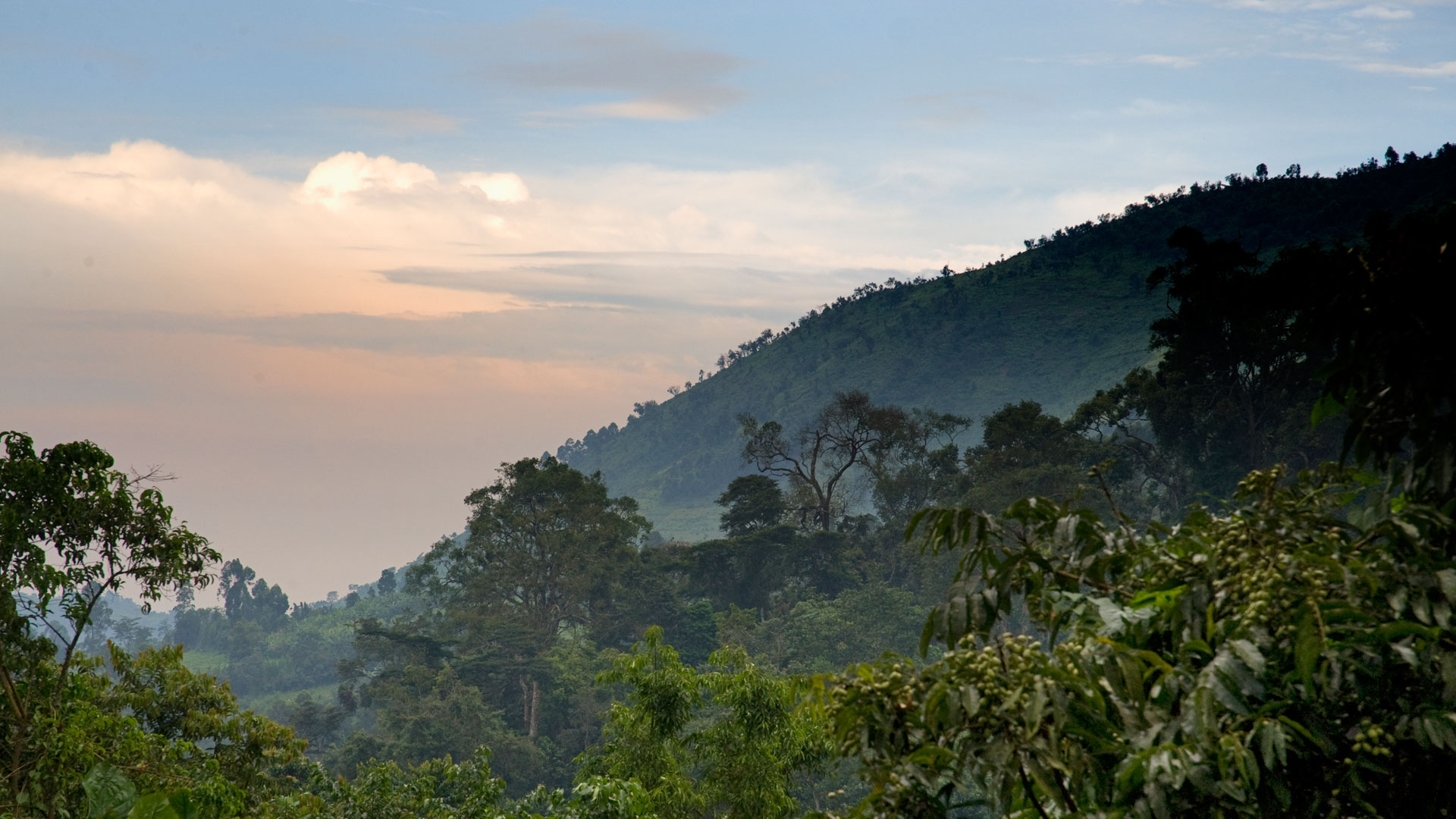
Uganda’s landscapes form because of long-term natural forces that continue to shape the region today. The western part of the country lies along the Albertine Rift, where the land slowly pulled apart. This process created mountains, deep valleys, and rich soils that support thick forests.
At the same time, lower areas near the Nile and Lake Albert formed wide plains and wetlands. These areas support grasslands where large animals feed and move across open space. Because of this mix, Uganda supports both forest and savannah wildlife in one system.
Moreover, changes in height across the country create different weather patterns. Higher areas stay cooler and wetter, which helps dense forests grow. Lower areas stay warmer and drier, which supports grasslands. This natural mix explains why Uganda holds so many different habitats within a small area.
Wildlife in Uganda: A Rare Mix of Forest and Savannah Species
Uganda offers a unique wildlife experience because it supports both forest animals and open-land species. This makes it one of the few countries where travelers can see very different ecosystems in one journey.
In the forest regions, mountain gorillas remain the most famous species. These animals live in Bwindi Impenetrable Forest and Mgahinga Gorilla National Park. Rangers guide small groups of visitors through thick vegetation to observe gorilla families in their natural setting. This experience feels close and personal, yet carefully controlled to protect the animals.
Chimpanzees also play an important role in Uganda’s wildlife story. Kibale Forest National Park holds one of the largest chimpanzee populations in Africa. These primates show complex social behavior, strong communication, and active group life.
In contrast, savannah parks like Queen Elizabeth and Murchison Falls host large mammals. Elephants move across open land, lions hunt in grasslands, and giraffes feed on tall trees. Hippos and crocodiles dominate river systems, especially along the Nile and Kazinga Channel.
Because Uganda protects both forest and savannah ecosystems, travelers experience a wide range of wildlife within a single safari route.
Uganda’s National Parks and Their Role in Conservation
Uganda manages its wildlife through a network of national parks. Each park protects a different type of ecosystem and supports specific animal species.
Bwindi Impenetrable National Park protects one of Africa’s oldest rainforest systems. It shelters mountain gorillas and many other forest species. The thick vegetation and steep terrain make this park one of the most challenging but rewarding wildlife areas in the world.
Queen Elizabeth National Park offers a mix of landscapes, including savannah, wetlands, crater lakes, and forests. Because of this variety, the park supports many animal species and provides excellent game viewing and boat safaris.
Murchison Falls National Park stands out because of the Nile River. The river forces its way through a narrow gorge and creates a powerful waterfall. This movement of water supports life along its banks, including elephants, hippos, and crocodiles.
Kibale Forest National Park focuses on primates, especially chimpanzees. The forest grows thick and green due to heavy rainfall, which supports a rich food chain and strong biodiversity.
Together, these parks form a connected system that protects Uganda’s wildlife while supporting tourism and conservation work.
Gorilla Trekking: A Deep Wildlife Experience
Gorilla trekking in Uganda offers one of the most powerful wildlife encounters in the world. It takes place in protected forests where trained guides lead small groups to locate gorilla families.
The trek often takes several hours. Visitors walk through dense forest, steep slopes, and changing terrain. Along the way, guides track signs such as broken branches, nests, and feeding areas.
Once the gorillas are found, visitors spend a short but meaningful time observing them. The animals behave naturally, feeding, resting, and interacting within their group. The experience feels quiet, respectful, and deeply emotional.
At the same time, gorilla trekking supports conservation. Permit fees help protect habitats, fund ranger teams, and support nearby communities. Because of this system, Uganda continues to protect its remaining gorilla population successfully.
Rivers, Lakes, and Water Ecosystems in Uganda

Water plays a major role in shaping Uganda’s environment. The Nile River starts from Lake Victoria and flows north through the country. Along its journey, it creates strong water systems that support wildlife and plant life.
One of the most powerful features along the Nile is Murchison Falls. Here, the river squeezes through a narrow rock gap before dropping into a strong waterfall. This creates a rich environment where animals gather near water sources.
Other water bodies like Lake Albert and the Kazinga Channel also support wildlife. These areas attract hippos, crocodiles, elephants, and many bird species. Because of this, boat safaris offer a different way to view Uganda’s wildlife from the water.
Climate and When to Visit Uganda
Uganda has a tropical climate, which means it stays warm throughout the year. However, rainfall changes how the landscape looks and how easily travelers move through different areas.
During dry seasons, animals gather near water sources, and vegetation becomes thinner. This makes wildlife easier to see, especially during game drives and gorilla trekking.
During wet seasons, the country becomes green and full of life. Forests grow thicker, and birdlife becomes more active. Although travel can be more challenging, the scenery becomes more beautiful and vibrant.
Because of these seasonal changes, Uganda offers good safari conditions throughout the year.
Culture and Daily Life Near Wildlife Areas
Uganda’s culture connects closely with its natural environment. Many communities live near national parks and depend on tourism and conservation activities.
Local people often take part in guiding, cultural experiences, and conservation programs. This involvement helps protect wildlife while supporting livelihoods.
Visitors also learn about traditional music, crafts, and storytelling. These cultural experiences help travelers understand how people and nature exist together in Uganda.
Conservation and Sustainable Tourism
Uganda protects its wildlife through a system that connects tourism with conservation. National parks limit visitor numbers to reduce pressure on animals and habitats.
Gorilla trekking shows how this system works. Strict rules control how many visitors enter each day. This protects gorillas while generating income for conservation work.
Tourism revenue supports ranger teams, park maintenance, and community development. Because of this system, Uganda continues to protect endangered species and maintain healthy ecosystems.
Conclusion: Understanding the Nature
Uganda earns its title as the Pearl of Africa because it combines many natural systems in one place. Forests, savannahs, rivers, and mountains all exist within a connected landscape shaped by long natural processes.
This mix creates a rare safari experience. Travelers can move between different ecosystems in a short time and see a wide range of wildlife in their natural habitats.
More importantly, Uganda connects tourism with conservation and community life. This balance helps protect nature while supporting the people who live near it.
In the end, Uganda is not defined by one attraction. It is defined by the way its landscapes, wildlife, and people work together. This makes it one of the most complete and meaningful safari destinations in Africa.


