

Uganda is often celebrated for its mountain gorillas, diverse wildlife, and spectacular landscapes. However, beyond the famous national parks lies another equally rewarding travel experience that continues to attract visitors from around the world: Uganda Cultural Exchange tourism. Through meaningful interactions with local communities, travelers gain a deeper understanding of Uganda’s traditions, lifestyles, values, and heritage while creating genuine connections with the people who call this remarkable country home.
Uganda cultural exchange experiences offer much more than sightseeing. They provide opportunities for visitors to immerse themselves in local communities, participate in daily activities, learn traditional skills, and engage in conversations that foster mutual understanding. As global travelers increasingly seek authentic and responsible tourism experiences, Uganda has emerged as one of Africa’s leading destinations for cultural immersion.
With more than 50 ethnic groups, diverse languages, unique traditions, and vibrant cultural practices, Uganda offers endless opportunities for meaningful cultural encounters. Whether visitors are sharing meals with rural families, learning traditional dances, participating in farming activities, or exploring ancient kingdoms, every Uganda cultural exchange experience reveals a different aspect of the country’s rich identity.
This comprehensive guide explores everything travelers need to know about cultural exchange tourism in Uganda, including the best destinations, community experiences, benefits, and how these encounters create lasting memories for both visitors and host communities.
Understanding Uganda Cultural Exchange Tourism
Uganda cultural exchange tourism refers to travel experiences that encourage meaningful interaction between visitors and local communities. Unlike conventional tourism, which often focuses primarily on attractions and sightseeing, cultural exchange tourism emphasizes learning, participation, and mutual respect.
Through a Uganda cultural exchange program or cultural safari, travelers become active participants rather than passive observers. They engage directly with local people, learn about cultural traditions, and gain insight into everyday life across different regions of Uganda.
Moreover, these experiences allow communities to share their stories, preserve their heritage, and benefit economically from tourism. Consequently, cultural exchange tourism creates value for both visitors and host communities.
As travelers seek more authentic experiences, Uganda cultural exchange initiatives continue to grow in popularity. These programs help bridge cultural differences while promoting sustainable tourism development across the country.
Why Uganda Is Ideal for Cultural Exchange Tourism
Uganda stands out as one of Africa’s most culturally diverse destinations. The country’s rich mosaic of ethnic communities, historical kingdoms, and traditional practices creates exceptional opportunities for cultural learning.
A Uganda cultural exchange journey can take travelers from the royal heritage of Buganda to the cattle-keeping traditions of western Uganda and from the mountain communities of the southwest to the pastoral societies of Karamoja. Each region offers distinct customs, cuisines, languages, and ways of life.
Furthermore, Uganda’s welcoming culture makes visitors feel at home. Hospitality remains a core value in many communities, and local people often enjoy sharing their traditions with interested travelers.
In addition, Uganda’s relatively compact size allows visitors to experience multiple cultural regions during a single trip. As a result, travelers can gain a comprehensive understanding of the country’s diversity within a manageable travel itinerary.
The Importance of Cultural Exchange in Modern Tourism
Modern tourism is evolving. Increasingly, travelers want experiences that provide meaning, connection, and personal growth rather than simply visiting famous landmarks.
A Uganda cultural exchange experience addresses this demand by creating opportunities for genuine interaction. Instead of viewing culture from a distance, visitors become part of it, even if only temporarily.
These exchanges help challenge stereotypes and encourage cross-cultural understanding. Moreover, they allow visitors to appreciate perspectives different from their own while recognizing shared human values.
At the same time, local communities benefit from increased cultural pride and economic opportunities. Therefore, cultural exchange tourism represents a sustainable approach that supports both cultural preservation and community development.
Experiencing Traditional Communities Through Uganda Cultural Exchange
One of the most rewarding aspects of Uganda cultural exchange tourism is the opportunity to spend time within traditional communities.
Visitors often participate in activities such as food preparation, farming, livestock management, craft making, storytelling, and cultural performances. These experiences provide valuable insights into local lifestyles while fostering meaningful personal connections.
Furthermore, community visits often reveal traditions and customs that have been preserved for generations. Through direct participation, travelers gain a deeper appreciation of cultural knowledge that cannot be fully understood through books or documentaries alone.
Consequently, many visitors describe community interactions as the most memorable part of their journey through Uganda.
Uganda Cultural Exchange and Traditional Kingdoms
Uganda is home to several historic kingdoms that continue to play important cultural roles today. These traditional institutions offer fascinating opportunities for cultural learning.
The Buganda Kingdom, for example, has a rich history that spans centuries. Visitors can explore royal traditions, cultural practices, governance systems, and historical narratives that have shaped the region.
Similarly, other traditional kingdoms contribute unique perspectives on leadership, identity, and community organization. Through Uganda cultural exchange experiences, travelers gain valuable insight into how these institutions continue to influence modern society.
Moreover, learning about traditional kingdoms helps visitors understand Uganda’s historical development and cultural resilience.
Cultural Exchange Through Music and Dance

Music and dance are central components of Ugandan culture. Across the country, different communities express their histories, beliefs, and celebrations through vibrant performances.
A Uganda cultural exchange experience frequently includes participation in traditional music and dance activities. Visitors may learn local rhythms, try traditional instruments, and join community performances.
Furthermore, music often serves as a powerful tool for cultural storytelling. Through songs and dances, communities share historical events, social values, and collective memories.
As a result, cultural performances become more than entertainment. They become opportunities for meaningful cultural education and connection.
Uganda Cultural Exchange Through Local Cuisine
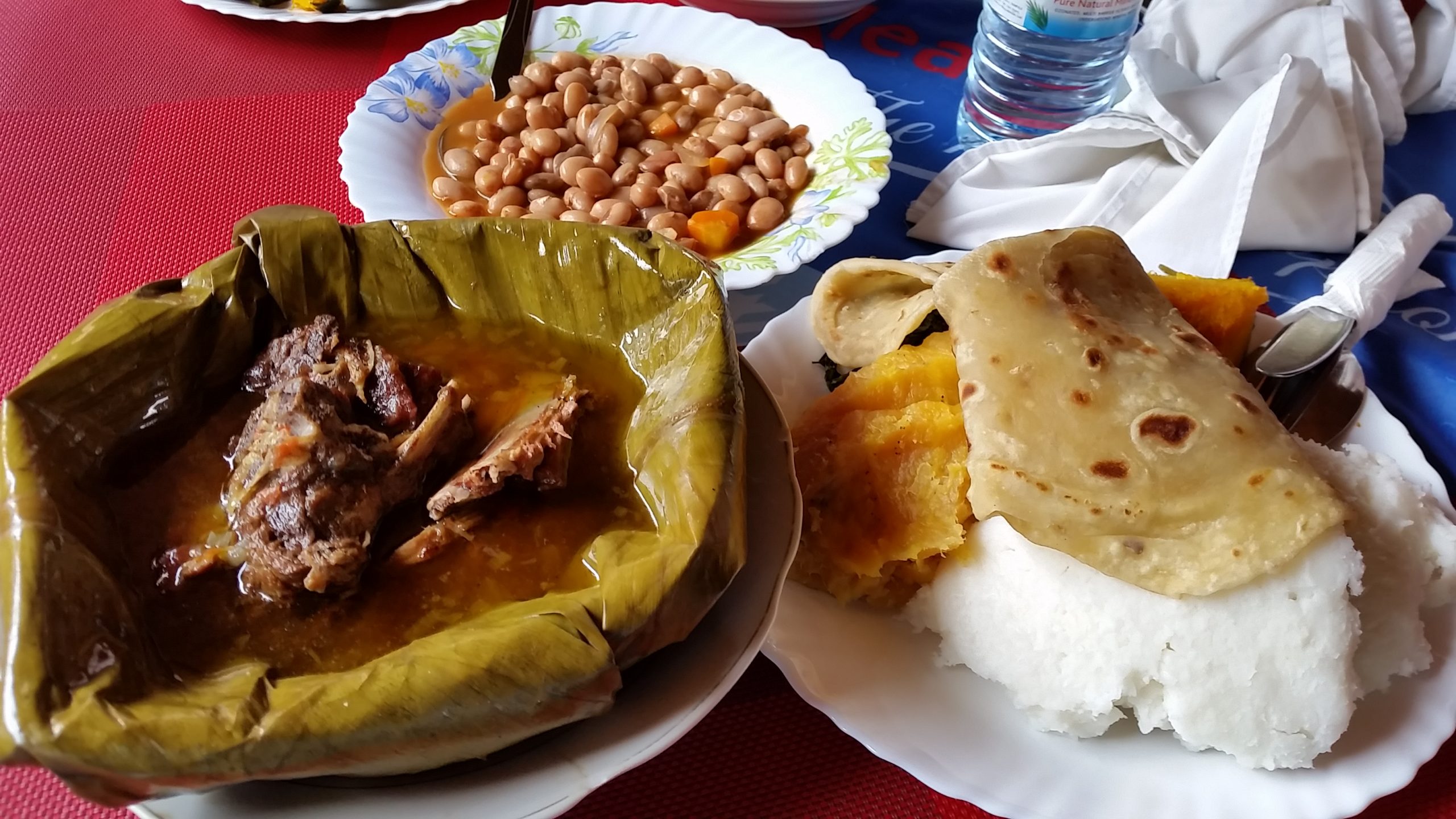
Food offers one of the most accessible and enjoyable ways to experience another culture.
During a Uganda cultural exchange experience, visitors often have opportunities to prepare and enjoy traditional meals alongside local families. These culinary encounters provide insight into agricultural practices, family traditions, and regional diversity.
Moreover, sharing meals creates natural opportunities for conversation and relationship building. Visitors learn not only about ingredients and cooking methods but also about the cultural significance of food within communities.
Consequently, culinary experiences often become highlights of cultural exchange programs throughout Uganda.
Community-Based Tourism and Sustainable Development
Community-based tourism plays a crucial role in promoting sustainable Uganda cultural exchange experiences.
Rather than concentrating tourism benefits in major urban centers, community tourism initiatives distribute economic opportunities directly to local people. Revenue generated through cultural experiences supports households, schools, conservation projects, and community development programs.
Furthermore, these initiatives encourage the preservation of cultural traditions that might otherwise decline due to modernization pressures.
As a result, travelers contribute to sustainable development while enjoying authentic and meaningful experiences.
Uganda Cultural Exchange and Educational Travel

Educational institutions increasingly recognize the value of experiential learning. Consequently, Uganda cultural exchange programs have become popular among students, researchers, volunteers, and academic groups.
These experiences provide practical opportunities to study culture, development, sustainability, history, and social change. Moreover, participants often develop valuable intercultural communication skills that benefit them personally and professionally.
Therefore, educational travel continues to be an important segment of Uganda’s cultural tourism industry.
Best Time for Uganda Cultural Exchange Experiences
Uganda cultural exchange activities can be enjoyed throughout the year. Because cultural traditions remain active regardless of season, visitors can participate in meaningful experiences at any time.
However, the dry seasons from June to August and December to February generally provide more comfortable travel conditions. During these months, road access to rural communities is often easier.
Nevertheless, cultural experiences remain rewarding year-round. Therefore, travelers can plan visits according to their broader itinerary and personal preferences.
Conclusion
Uganda offers one of Africa’s most rewarding cultural tourism experiences. Through meaningful interactions, authentic community visits, traditional performances, local cuisine, and educational opportunities, a Cultural tourism Uganda journey allows travelers to discover the country’s true heart beyond its wildlife and landscapes. Moreover, these experiences create lasting memories while supporting sustainable development and cultural preservation.
If you are seeking an authentic travel experience that combines cultural immersion, responsible tourism, and meaningful human connection, Ababa Uganda Safaris can help design a personalized Cultural tourism Uganda itinerary tailored to your interests. Contact Ababa Uganda Safaris today and begin your journey into the rich cultures, traditions, and communities that make Uganda one of Africa’s most fascinating destinations.
Frequently Asked Questions About Uganda Cultural Exchange (FAQs)
1. What is Uganda Cultural Exchange?
Uganda Cultural Exchange is a tourism experience that allows visitors to interact with local communities, learn traditions, and participate in authentic cultural activities.
2. Why is Uganda Cultural Exchange becoming popular?
Travelers increasingly seek meaningful experiences that create genuine connections with local people and cultures.
3. Which communities can visitors meet during Uganda Cultural Exchange tours?
Visitors can interact with Batwa communities, Karamojong communities, Banyankole, Baganda, Basoga, and many other cultural groups.
4. Can Uganda Cultural Exchange be combined with wildlife safaris?
Yes. Many travelers combine cultural experiences with gorilla trekking, chimpanzee tracking, and game drives.
5. Is Uganda Cultural Exchange suitable for families?
Yes. Families often enjoy cultural performances, community visits, storytelling sessions, and local food experiences.
6. What cultural activities are included?
Activities may include traditional dances, music performances, craft making, cooking, farming, storytelling, and village walks.
7. How does Uganda Cultural Exchange support local communities?
Tourism revenue creates jobs, supports local businesses, and helps preserve cultural heritage.
8. Are cultural exchange experiences ethical?
Yes, when operated responsibly and with community participation and benefit-sharing.
9. What should visitors wear during cultural visits?
Modest, comfortable clothing that respects local customs is recommended.
10. Can visitors participate in traditional ceremonies?
Some communities allow participation in selected cultural activities depending on local customs and schedules.
11. Is photography allowed?
Photography is generally allowed, but visitors should ask permission before taking photos of people.
12. When is the best time for Uganda Cultural Exchange?
Cultural experiences are available year-round, although the dry seasons provide easier travel conditions.
13. How long do cultural exchange tours last?
Tours can last from a few hours to several days or even weeks depending on the itinerary.
14. Do I need previous cultural travel experience?
No. Uganda Cultural Exchange programs welcome both first-time and experienced cultural travelers.
15. Why choose Ababa Uganda Safaris for Uganda Cultural Exchange?
Ababa Uganda Safaris creates personalized cultural experiences that connect travelers with authentic communities while promoting responsible tourism and cultural preservation.


