
There are few places in Africa where raw wilderness, dramatic landscapes, and rare wildlife encounters come together as seamlessly as in Uganda. Known as the “Pearl of Africa,” Uganda offers a safari experience that feels both timeless and deeply personal far removed from crowded tourist circuits, yet rich with some of the continent’s most iconic natural wonders.
From mist-covered rainforests harboring mountain gorillas to vast savannahs dotted with elephants and lions, Uganda is a destination that unfolds like a story. Every region reveals a different chapter, and every journey leaves travelers with a deeper appreciation of nature, culture, and conservation.
This ultimate Uganda safari guide explores the country’s top destinations, wildlife experiences, travel logistics, costs, and practical tips helping you plan a seamless and unforgettable safari adventure.
Why Uganda Is One of Africa’s Most Unique Safari Destinations
Unlike many safari destinations that focus primarily on game drives, Uganda offers a multidimensional experience. It combines classic African wildlife viewing with rare primate encounters and striking geographic diversity.
Within a single itinerary, travelers can:
- Track mountain gorillas in dense tropical forests
- Observe chimpanzees in ancient woodlands
- Cruise along the Nile surrounded by hippos and crocodiles
- Explore vast savannahs teeming with elephants and lions
- Engage with vibrant local cultures
This diversity is what makes Uganda stand apart. It is not just a safari destination it is an immersive ecological journey.
Top Safari Destinations in Uganda
Murchison Falls National Park

At the heart of Uganda’s safari circuit lies Murchison Falls National Park, the country’s largest protected area. The park is defined by the dramatic force of the Victoria Nile, which squeezes through a narrow gorge before plunging into a powerful waterfall.
A visit here typically includes:
- Game drives across open savannahs with giraffes, elephants, and lions
- Boat safaris to the base of Murchison Falls
- Birdwatching with over 450 recorded species
- Scenic views where river, forest, and grassland ecosystems meet
Murchison Falls is often considered the most complete safari destination in Uganda because it combines wildlife viewing with one of Africa’s most spectacular natural landmarks.
Queen Elizabeth National Park

Located in western Uganda, Queen Elizabeth National Park is one of the most diverse ecosystems in East Africa. Its landscapes include crater lakes, wetlands, forests, and expansive plains.
Highlights include:
- Tree-climbing lions in the Ishasha sector
- Boat cruises along the Kazinga Channel, home to hippos and crocodiles
- Large herds of elephants and buffaloes
- Exceptional birdlife, with hundreds of species recorded
The park’s variety makes it ideal for travelers seeking both scenery and wildlife diversity in one location.
Bwindi Impenetrable National Park

Deep in southwestern Uganda lies Bwindi Impenetrable National Park, a UNESCO World Heritage Site and one of the most biologically rich forests in Africa. It is best known for mountain gorilla trekking, one of the most extraordinary wildlife experiences on Earth.
Bwindi is home to nearly half of the world’s remaining mountain gorillas. Trekking through its dense forest involves navigating steep terrain, thick vegetation, and misty trails an adventure in itself.
The reward is a rare, intimate encounter with a gorilla family, observed at close range in their natural habitat. The experience is strictly regulated to ensure conservation and minimize human impact.
Kibale Forest National Park
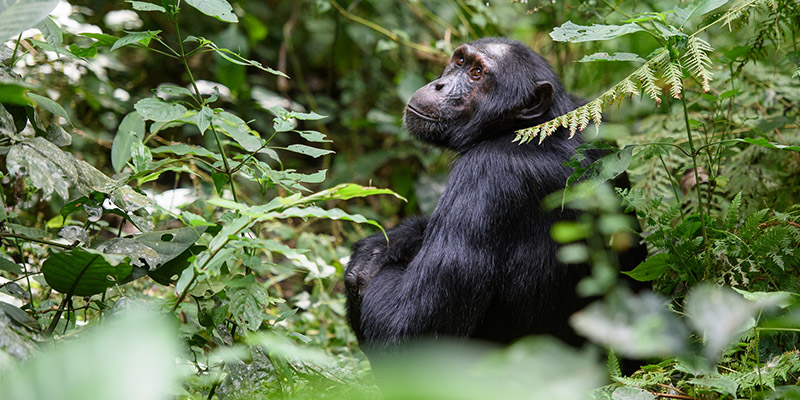
Often referred to as the “primate capital of the world,” Kibale Forest National Park is the best place in Uganda for chimpanzee tracking.
The park hosts:
- Chimpanzees
- Red colobus monkeys
- L’Hoest’s monkeys
- A rich variety of bird species
Chimpanzee trekking here allows visitors to observe social behaviors, communication patterns, and feeding habits in a natural forest environment.
Lake Mburo National Park
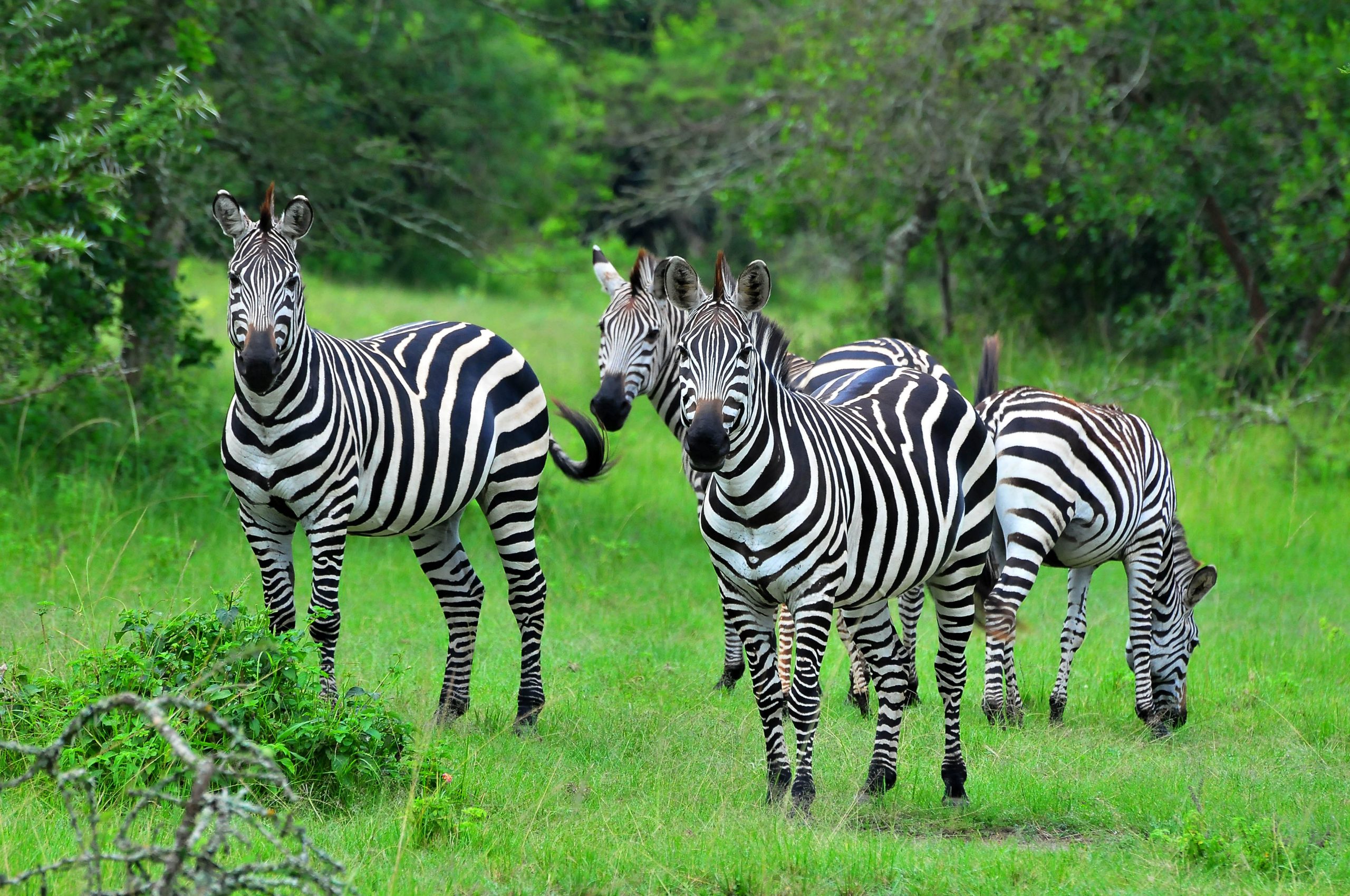
For a more relaxed and accessible safari experience, Lake Mburo National Park offers a compact but rewarding destination.
It is known for:
- Zebras, impalas, and elands
- Boat trips on Lake Mburo
- Walking safaris and cycling experiences
- Scenic rolling hills and open grasslands
Its proximity to major road routes makes it a convenient stopover between larger parks.
Gorilla Trekking: Uganda’s Signature Experience
Gorilla trekking is the highlight of any Uganda safari. Conducted primarily in Bwindi Impenetrable National Park and Mgahinga Gorilla National Park, this experience is both physically engaging and emotionally profound.
What to Expect
- Treks can last several hours depending on gorilla movement
- Groups are limited to small numbers to protect the animals
- Visitors spend one hour with the gorilla family once located
The encounter is quiet, respectful, and deeply moving, offering a rare glimpse into the lives of one of humanity’s closest relatives.
The Best Time to Visit Uganda
Uganda is a year-round safari destination, but timing can influence your experience.
Dry Seasons (Ideal for Safaris)
- June to September
- December to February
During these months:
- Wildlife is easier to spot
- Roads and trails are more accessible
- Trekking conditions are more favorable
Wet Seasons
- March to May
- October to November
These periods offer:
- Lush green scenery
- Fewer tourists
- Lower accommodation prices
However, rainfall can make some trails more challenging, particularly in forested areas.
Wildlife in Uganda: What You Can See
Uganda’s biodiversity is among the richest in Africa. A safari here may include sightings of:
- Elephants roaming savannah plains
- Lions resting in acacia trees
- Leopards moving stealthily at dusk
- Buffalo herds near water sources
- Hippos and crocodiles along rivers
- Mountain gorillas and chimpanzees in forests
- Numerous antelope species such as Uganda kob and impala
Birdlife is equally impressive, with species ranging from colorful kingfishers to the elusive shoebill stork.
Safari Activities Beyond Game Drives
Uganda offers a wide variety of safari experiences beyond traditional game viewing:
Boat Safaris
Popular on the Victoria Nile, Kazinga Channel, and Lake Mburo, boat safaris provide close-up encounters with aquatic wildlife.
Primate Tracking
Gorilla and chimpanzee trekking are signature experiences that define Uganda’s safari identity.
Nature Walks
Guided walks offer a closer look at ecosystems, plant life, and smaller wildlife species.
Cultural Encounters
Visitors can interact with local communities, experiencing traditional music, dance, crafts, and daily life.
Getting to Uganda
Most international travelers arrive through Entebbe International Airport, the country’s main entry point.
From there:
- Road transfers connect to national parks
- Domestic flights serve remote safari destinations
- Kampala, the capital city Kampala, acts as the central hub for logistics and accommodations
Uganda’s transport network continues to improve, making travel increasingly efficient.
Accommodation Options for Every Traveler
Uganda offers a wide range of accommodation styles:
Luxury Lodges
- High-end properties with panoramic views
- Private service, fine dining, and exclusive experiences
Mid-Range Lodges
- Comfortable and well-equipped
- Suitable for most safari travelers
Budget Camps
- Affordable and practical options
- Ideal for backpackers and budget-conscious visitors
Many lodges now emphasize sustainability, incorporating solar energy, eco-friendly construction, and community engagement initiatives.
Safari Costs in Uganda
The cost of a safari varies depending on several factors:
- Duration of travel
- Type of accommodation
- Number of destinations visited
- Gorilla trekking permits (a major cost component)
- Private vs group transport
While Uganda may not be the cheapest destination in Africa, it offers exceptional value for its unique wildlife experiences and diversity.
Travel Requirements and Practical Tips
Entry Requirements
- Valid passport
- Tourist visa (applied online before arrival)
- Yellow fever vaccination certificate
Health and Safety
- Malaria precautions are recommended
- Travel insurance is advisable
- Follow guide instructions during all wildlife encounters
What to Pack
- Lightweight, neutral-colored clothing
- Waterproof jacket
- Sturdy hiking boots
- Binoculars and camera
- Sunscreen and insect repellent
Safety and Travel Conditions
Uganda is generally considered a safe destination for tourists. National parks are well-managed, and professional guides accompany all safari activities.
Key guidelines include:
- Stay with your guide at all times
- Maintain safe distances from wildlife
- Follow park regulations
Tourism infrastructure has improved significantly, contributing to smoother and more secure travel experiences.
Cultural Experiences in Uganda
Beyond wildlife, Uganda offers rich cultural diversity. With over 50 ethnic groups, the country provides a vibrant cultural landscape.
Visitors can:
- Attend traditional dance performances
- Visit local markets
- Participate in village tours
- Learn about crafts and storytelling traditions
These experiences add depth to a safari, offering insight into Uganda’s identity beyond its natural attractions.
Sample Uganda Safari Itinerary
A well-rounded safari itinerary might include:
- Arrival in Kampala and transfer to Murchison Falls National Park
- Game drives and boat cruise experiences
- Transfer to Kibale Forest for chimpanzee tracking
- Exploration of Queen Elizabeth National Park
- Gorilla trekking in Bwindi Impenetrable National Park
- Departure via Kampala or Entebbe
This route combines savannah wildlife, primates, and scenic landscapes into a single cohesive journey.
Final Thoughts
A safari in Uganda is not just about seeing animals it is about experiencing a landscape that feels alive with history, culture, and natural rhythm. From the powerful flow of the Victoria Nile to the quiet depth of the forests in Bwindi Impenetrable National Park, every moment reveals something new.
Uganda’s strength lies in its authenticity. It offers fewer crowds, richer interactions, and a sense of discovery that is increasingly rare in modern travel. For those seeking a safari that goes beyond the ordinary, Uganda remains one of Africa’s most rewarding and unforgettable destinations.


