
Planning your first safari and wondering what to pack? This Uganda safari packing list covers everything you need for a comfortable, practical and memorable journey through the Pearl of Africa. From lightweight safari clothing and comfortable shoes to rain protection, photography equipment and gorilla trekking essentials, the right preparation can make a significant difference to your experience.
Uganda offers remarkably varied landscapes within one safari. You may begin your journey in Kampala or Entebbe, continue through the open savannah of Queen Elizabeth National Park or Murchison Falls National Park, then travel into the cool mountain forests of Bwindi Impenetrable National Park. If your itinerary includes gorilla trekking, chimpanzee tracking or a mountain hike, your packing needs become even more important.
Therefore, packing for Uganda is not simply about bringing safari clothes. It is about preparing for changing temperatures, different activities, dusty roads, occasional rain and long days outdoors while keeping your luggage practical.
This Uganda safari packing guide explains what you really need, what you can leave behind and how to prepare for the different environments you may encounter.
What to Pack for a Uganda Safari
The best Uganda safari packing list balances comfort, practicality and versatility. You do not need a huge wardrobe. Instead, choose lightweight clothing that you can layer, comfortable footwear and a few reliable items that work across several activities.
During a typical safari, you may spend several hours in a 4×4 vehicle, walk short distances around lodges, take a boat cruise or spend several hours trekking through forest. Consequently, your clothing should work for both relaxed safari days and more active experiences.
Neutral and earthy colours such as beige, khaki, olive and brown work particularly well for safari environments. They are practical, photograph well and generally show less dust than very light clothing.
At the same time, there is no need to dress like a professional wildlife researcher. Comfort matters more than achieving a particular safari aesthetic.
What Clothes Should You Wear on Safari in Uganda?

Lightweight, breathable clothing is usually the most practical choice for a Uganda safari.
Uganda’s climate varies considerably because of altitude, geography and season. Mornings can feel cool, especially in higher-altitude areas, while afternoons can become warm. In forest destinations such as Bwindi and Kibale, temperatures can feel cooler and wetter than in the savannah parks.
Therefore, layers work better than heavy clothing.
A lightweight long-sleeved shirt can protect your skin from sun and insects during the day. Long trousers are also useful, particularly when walking through vegetation or preparing for forest activities.
For warmer days, lightweight T-shirts and comfortable trousers or shorts can work well around your lodge. However, long trousers remain useful for evening activities and trekking.
A fleece or lightweight jacket is worth carrying because early morning game drives can feel surprisingly cold. You can remove it as the day warms up and pack it away without taking up much space.
For evenings, especially in forested or high-altitude areas, a warmer layer becomes more valuable.
Do You Need Hiking Boots for a Uganda Safari?
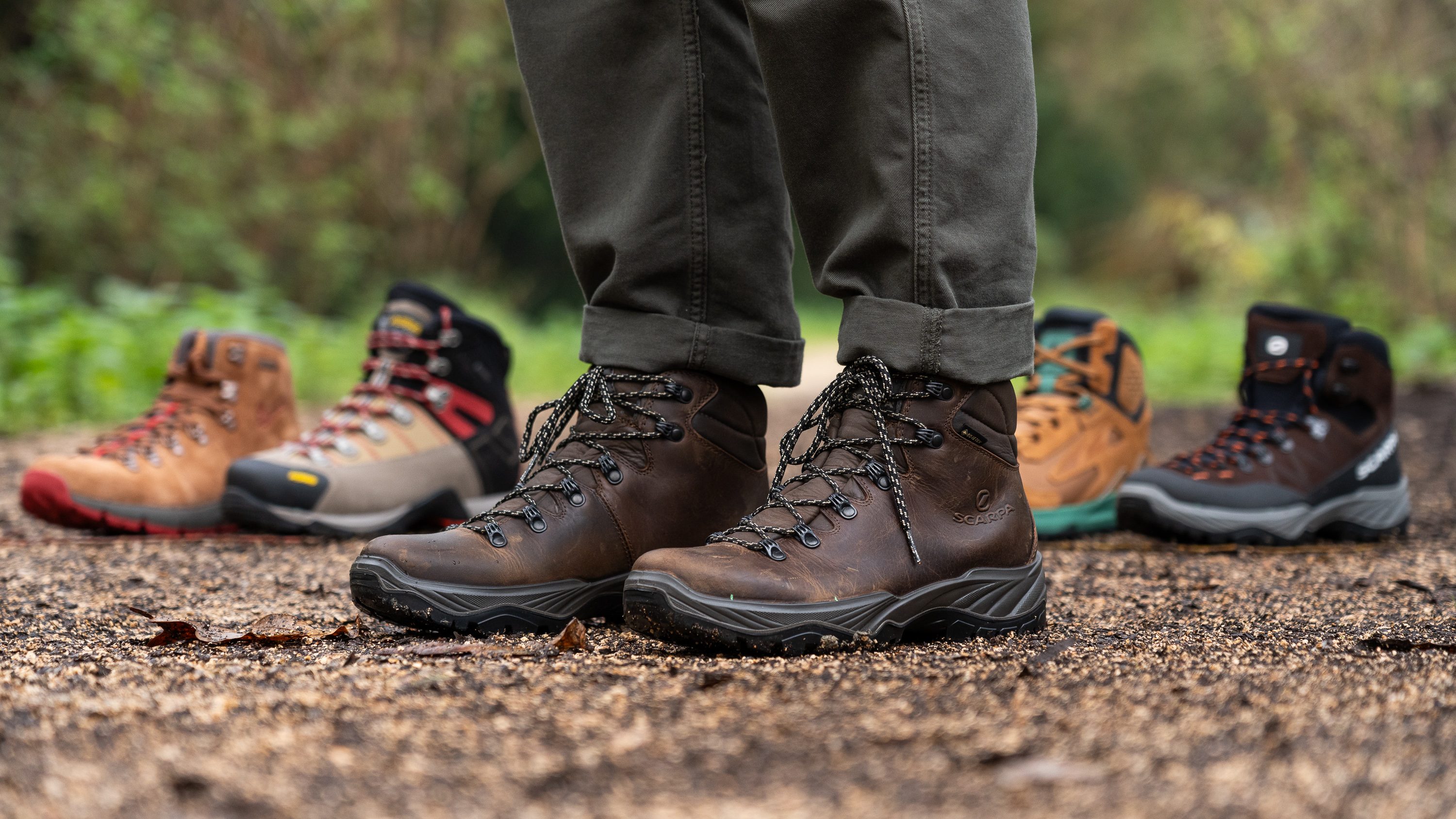
Your footwear should match your itinerary.
For ordinary game drives, comfortable closed shoes or lightweight trainers are generally sufficient. However, if your Uganda safari includes gorilla trekking, chimpanzee tracking or hiking, sturdy hiking shoes or boots with good grip become much more important.
Gorilla trekking takes place in challenging forest terrain, where trails can become muddy and slippery. UWA’s gorilla tracking rules also emphasize responsible behavior in the protected area, so appropriate preparation helps you navigate the environment without damaging vegetation or creating unnecessary problems.
Water-resistant hiking boots can be particularly useful during wet conditions.
Break your boots in before your trip. A brand-new pair may look perfect, but discovering painful pressure points halfway through a forest trek can quickly turn an exciting day into an uncomfortable one.
What to Pack for Gorilla Trekking in Uganda
If your safari includes gorilla trekking, your packing strategy needs to change slightly.
Bwindi Impenetrable National Park and Mgahinga Gorilla National Park offer mountain gorilla trekking, and the forest environment can involve steep, muddy and uneven terrain.
You should therefore prioritize practical clothing and equipment rather than appearance.
Long trousers, a long-sleeved shirt, sturdy hiking footwear and rain protection can all make the experience more comfortable. Gardening-style gloves or lightweight hiking gloves can also help when moving carefully through vegetation.
A waterproof daypack is useful for carrying personal essentials. Keep it small enough that it does not become a burden during a long trek.
You should also protect cameras and electronic equipment from rain. A simple waterproof bag or dry bag can be extremely useful.
UWA requires visitors to report to the designated entry point for permit validation, orientation and briefing before tracking. Gorilla tracking clients must also remain accompanied by UWA guides and trackers.
This means you should not treat gorilla trekking as an independent hike. Your guides will provide important instructions on the day, and you should follow them throughout the experience.
What Should You Pack for Rain in Uganda?
Rain protection deserves a prominent place on any Uganda safari packing list.
Even during relatively dry periods, tropical weather can change quickly. Forest destinations can receive rainfall while you are trekking, and roads can become muddy after heavy rain.
A lightweight waterproof jacket or rain poncho takes up little space but can become one of the most useful things in your bag.
An umbrella may work around your lodge, but it is less practical during trekking. For gorilla trekking and forest walks, a waterproof jacket or poncho leaves your hands free and offers better protection.
A waterproof cover for your daypack is also worthwhile.
For cameras and phones, consider an additional waterproof pouch. Keeping important electronics dry is far easier than trying to repair water damage in the middle of a safari.
What About Sun Protection?
Although Uganda sits near the equator, temperatures and conditions vary significantly across the country. Sun protection therefore remains important.
A wide-brimmed hat or cap can protect your face during game drives and walks. Sunglasses help reduce glare, particularly on open savannah landscapes and during boat cruises.
High-quality sunscreen is another essential.
Lip balm with sun protection can also be useful because long days outdoors, wind and changing temperatures can dry your lips.
Remember that safari vehicles may provide shade, but you can still spend several hours exposed to sunlight.
What Toiletries Should You Take on Safari?
Keep toiletries simple and travel-sized.
Most established safari lodges provide basic bathroom amenities, so you do not need to carry your entire bathroom cabinet.
However, personal items that you specifically prefer should come with you. This includes toiletries suited to your skin and hair, personal medication and any hygiene products you regularly use.
Insect repellent is particularly useful because Uganda’s safari destinations contain different insect environments. A good repellent can make evenings around lodges considerably more comfortable.
Hand sanitizer can also be convenient when traveling between remote destinations.
If you use prescription medication, carry enough for the entire trip and keep it in your hand luggage rather than placing everything in checked baggage.
For health-related preparation, travelers should consult an appropriate travel-health professional before departure and check the latest entry and health requirements applicable to their nationality and itinerary.
What Medication Should You Pack for a Uganda Safari?
Your personal medication should take priority over almost everything else.
Carry prescription medicines in their original packaging and keep them easily accessible.
A small personal first-aid kit can also be useful. It may include basic items for minor cuts, blisters and headaches.
However, travelers should avoid assuming that a generic packing list replaces professional medical advice. Your healthcare provider can advise you about vaccinations, malaria prevention and other health considerations based on your individual circumstances and travel plans.
If you are trekking gorillas, health precautions become particularly important.
UWA specifically states that visitors should not visit gorillas if they have a cold or another infectious illness because gorillas can catch human respiratory infections.
That rule protects one of Uganda’s most important wildlife populations.
What Camera Equipment Should You Bring?

Uganda offers outstanding opportunities for wildlife photography, but you do not need an enormous camera kit.
A versatile zoom lens can be extremely useful on game drives because wildlife may appear at very different distances.
For gorilla trekking, however, the situation changes. You will walk through dense forest, often in changing light, so a lighter setup can be more comfortable.
A smartphone can also produce excellent photographs when conditions cooperate.
Whatever camera you use, bring spare batteries and sufficient memory. Remote safari destinations do not always offer convenient opportunities to buy replacement accessories.
A power bank is also useful for phones, especially on long travel days.
Remember that wildlife photography requires patience. The best photograph may come after waiting quietly rather than constantly changing equipment.
What Luggage Is Best for a Uganda Safari?
Soft-sided luggage or a durable travel bag usually works better than a large rigid suitcase.
Safari vehicles have limited storage space, and your luggage may need to be loaded and unloaded repeatedly as you move between destinations.
A practical bag also makes domestic flights, lodge transfers and road travel easier.
For travelers taking internal flights, luggage weight and baggage dimensions can be particularly important. Always check the current allowance with the airline operating your specific flight rather than relying on a general internet recommendation.
A small daypack should complement your main luggage.
Your main bag stays at the lodge or in the vehicle while your daypack carries the items you need during a game drive, boat trip or trek.
What Not to Pack for a Uganda Safari
Overpacking is one of the most common safari mistakes.
You probably do not need several pairs of formal shoes, heavy jackets, multiple large toiletry bags or an entirely different outfit for every day.
Most safari days are relaxed. Your priority should be comfort, practicality and easy movement.
Avoid packing clothing that requires constant ironing or delicate care. Dust, mud and rain form part of the environment, particularly during long road journeys.
Likewise, expensive jewellery is unnecessary for most safari itineraries.
A simple wardrobe that you can mix and match will usually serve you better than a large suitcase full of specialized outfits.
Uganda Safari Packing by Activity
Different safari activities call for slightly different equipment.
| Safari Activity | Most Useful Packing | Main Consideration |
|---|---|---|
| Game drive | Light layers, hat, sunglasses, closed shoes | Cool mornings and dust |
| Gorilla trekking | Hiking boots, long trousers, rain jacket, daypack | Mud, slopes and rain |
| Chimpanzee tracking | Hiking shoes, long clothing, rain protection | Forest terrain |
| Boat cruise | Hat, sunglasses, light jacket, sunscreen | Sun and wind |
| Birdwatching | Neutral clothing, binoculars, comfortable shoes | Patience and early starts |
| Mountain hiking | Hiking boots, layers, waterproof clothing | Altitude and changing weather |
This is why there is no single outfit that perfectly suits every Uganda safari. A flexible wardrobe gives you more options without adding unnecessary weight.
What to Pack for Uganda During the Dry Season
The dry seasons often make roads easier to navigate and can provide excellent conditions for wildlife viewing. However, dry does not mean cold-free or rain-free.
Dust can become noticeable on some safari roads, particularly during long drives.
Lightweight clothing, a warm layer for early mornings and sun protection remain important.
A scarf or buff can also be useful when traveling on dusty roads in an open-sided or open-roof vehicle.
Keep your camera protected when the vehicle travels along dusty tracks.
What to Pack During the Wet Season
Wet-season travel requires greater emphasis on waterproofing.
A rain jacket, waterproof daypack cover and suitable shoes become more important. For forest trekking, consider carrying an additional dry bag for sensitive equipment.
However, do not assume that rain will dominate every day.
Uganda’s weather can change quickly, and you may experience sunshine between showers.
The advantage of traveling prepared is that changing weather becomes a manageable part of the adventure rather than a major inconvenience.
Should You Bring Binoculars on a Uganda Safari?
Yes, particularly if wildlife and birdwatching are important to you.
Binoculars allow you to observe animals without relying entirely on your camera’s zoom.
They can be particularly valuable for birdwatchers because Uganda has an exceptional range of bird habitats.
A compact pair is generally enough for most travelers. You do not need extremely heavy professional equipment unless birding or wildlife photography forms the main purpose of your trip.
What Documents Should You Carry?
Travel documents deserve more attention than clothing because replacing them can be much harder once you are deep inside a safari itinerary.
Keep your passport, travel insurance information, flight details and important booking documents accessible.
If your itinerary includes gorilla trekking, keep your permit documentation available as instructed by your tour operator.
UWA‘s published rules state that visitors should carry payment receipts and permits for gorilla tracking, while its tracking guidelines require permit or ticket validation before the activity begins.
If you book through a tour operator, keep copies of your itinerary and emergency contact details.
It is also sensible to maintain digital copies of important documents separately from the originals.
Why Booking With a Licensed Uganda Tour Operator Matters
A good packing list cannot replace good safari planning.
Uganda’s tourism authorities provide systems that allow travelers to verify tourism operators and guides. UTB maintains a public directory of licensed tour companies and licensed tour guides.
This matters particularly for travelers arranging gorilla trekking.
UWA’s advisory states that gorilla and chimpanzee permits for foreign non-residents are sold exclusively through tour operators licensed by UTB and advises travelers to verify an operator’s license before proceeding.
Therefore, when comparing safari companies, look beyond price.
Consider licensing, experience, communication, itinerary quality, accommodation choices, transportation, guide qualifications and how clearly the company explains what your package includes.
A Practical Uganda Safari Packing Philosophy
The ideal Uganda safari packing list is not the longest one.
It is the one that helps you remain comfortable while carrying as little unnecessary luggage as possible.
Think in layers. Choose versatile clothing. Protect your electronics. Prioritize comfortable footwear. Prepare for rain even when the forecast looks favorable.
Most importantly, pack according to your actual itinerary.
A traveler visiting Murchison Falls for game drives and boat cruises will have different requirements from someone combining Bwindi gorilla trekking, Kibale chimpanzee tracking and a Rwenzori hiking experience.
Your safari should determine your luggage rather than the other way around.
Frequently Asked Questions About a Uganda Safari Packing List
What should I pack for a safari in Uganda?
Pack lightweight clothing, long trousers, comfortable shoes, a warm layer, rain protection, sun protection, insect repellent, personal medication, a reusable water bottle, a small daypack and any camera or binocular equipment you need.
What clothes are best for a Uganda safari?
Lightweight, breathable and quick-drying clothing works well. Long trousers and long-sleeved shirts are particularly useful for forest activities, while layers help you adapt to cool mornings and warmer afternoons.
Do I need hiking boots for gorilla trekking?
Yes, sturdy hiking footwear with good grip is strongly recommended for gorilla trekking because forest trails can become steep, muddy and slippery.
Should I bring a rain jacket to Uganda?
Yes. A lightweight waterproof jacket or poncho is one of the most useful items you can pack, especially if your itinerary includes Bwindi, Mgahinga or Kibale.
Can I wear shorts on a Uganda safari?
Yes, shorts can be comfortable during warm weather and around lodges. However, long trousers are more practical for forest walks, trekking and protection from vegetation and insects.
What type of luggage should I take on safari?
Soft-sided luggage or a durable travel bag is generally practical because safari vehicles and some domestic flights have limited luggage space. Always confirm airline baggage requirements for internal flights.
Should I bring binoculars to Uganda?
Binoculars are highly recommended for wildlife viewing and birdwatching. A compact pair can significantly improve your ability to observe distant animals and birds.
What should I pack for gorilla trekking in Uganda?
Bring sturdy hiking boots, long trousers, a long-sleeved shirt, waterproof clothing, a small daypack, water, personal medication, insect repellent and protection for cameras or other electronics.
Can I do laundry during a Uganda safari?
Many lodges offer laundry services, although availability varies by property and location. Because of this, you can usually pack fewer clothes and use laundry services during longer itineraries.
What should I not bring on a Uganda safari?
Avoid unnecessary heavy luggage, excessive formal clothing, expensive jewellery and items that you will rarely use. A compact, versatile wardrobe is usually more practical than overpacking.
Final Thoughts: Pack Light, Prepare Well
A well-planned Uganda safari packing list should make your journey easier rather than fill your suitcase.
Uganda rewards travelers who prepare for variety. One day may involve watching elephants across open savannah; another may take you through a cool rainforest in search of chimpanzees or mountain gorillas. Later, you could find yourself relaxing beside a lodge overlooking a dramatic African landscape.
Therefore, pack for flexibility.
Bring comfortable clothing, reliable footwear, rain protection and the personal essentials you genuinely need. At the same time, leave room for the experiences themselves.
Uganda’s protected areas are managed by the Uganda Wildlife Authority, which emphasizes conservation, sustainable wildlife management and community involvement. Meanwhile, the Uganda Tourism Board promotes Uganda as a competitive tourism destination and oversees tourism standards.
That makes responsible preparation part of the safari experience.
When you arrive prepared, you can spend less time worrying about your luggage and more time watching wildlife, listening to the forest and experiencing Uganda for what it truly is: one of Africa’s most diverse and rewarding safari destinations.


