

Uganda is globally recognized for mountain gorilla trekking, wildlife safaris, and breathtaking landscapes. However, one of the country’s most rewarding travel experiences lies beyond its national parks. A Uganda tribal experience safari introduces travelers to the rich cultural heritage, traditions, languages, and lifestyles of more than 50 indigenous communities that have shaped the nation’s identity for centuries.
While many visitors focus primarily on wildlife encounters, cultural tourism offers a deeper understanding of Uganda’s people, history, and way of life. From the pastoral communities of northeastern Uganda to the forest-dwelling Batwa people in the southwest, every region presents unique traditions that create unforgettable cultural experiences.
This Uganda Tribal Experience Safari Guide explores the best tribal encounters, cultural destinations, traditional practices, and travel insights for visitors seeking authentic connections with local communities. Whether you are interested in traditional dances, storytelling, indigenous knowledge, local cuisine, or village life, Uganda offers some of Africa’s most genuine cultural experiences.
Why Choose a Uganda Tribal Experience Safari?
A tribal experience safari provides an opportunity to engage directly with local communities while supporting cultural preservation and sustainable tourism.
Unlike conventional sightseeing, cultural safaris allow visitors to participate in daily activities, learn traditional skills, and hear firsthand stories passed down through generations. These interactions create meaningful exchanges that help travelers understand the diversity and resilience of Uganda’s people.
Moreover, cultural tourism contributes directly to local livelihoods. Many community-based tourism initiatives use tourism revenue to support education, healthcare, cultural preservation, and economic development.
As a result, travelers gain authentic experiences while positively impacting host communities.
Understanding Uganda’s Cultural Diversity
Uganda is often referred to as the “Pearl of Africa” because of its extraordinary diversity. The country is home to more than 50 ethnic groups, each with distinct customs, languages, music, dance styles, and traditional beliefs.
The major cultural regions include Central Uganda, Western Uganda, Eastern Uganda, Northern Uganda, and the Karamoja sub-region in the northeast. Each region offers unique cultural experiences that differ significantly from one another.
This remarkable diversity makes Uganda one of the most culturally rich destinations on the African continent.
Uganda Tribal Experience Safari Among the Batwa Communities

One of the most sought-after tribal experiences in Uganda involves meeting the Batwa people.
Often referred to as the “Keepers of the Forest,” the Batwa people once lived within the forests surrounding Bwindi and Mgahinga. For generations, they relied on hunting, gathering. The Batwa people lived in the forests for generations. Moreover, they relied on hunting and gathering for their livelihood. As a result, they developed extensive knowledge of medicinal plants and forest ecosystems. herbal medicine, and deep ecological knowledge for survival.
Today, visitors can participate in guided cultural walks where Batwa elders demonstrate traditional hunting techniques, medicinal plant use, fire-making methods, music, dance, and storytelling.
The experience offers valuable insights into a unique way of life that has largely disappeared elsewhere in Africa.
In addition, Batwa cultural encounters provide economic support to communities working to preserve their heritage and improve living conditions.
Uganda Tribal Experience Safari in Karamoja
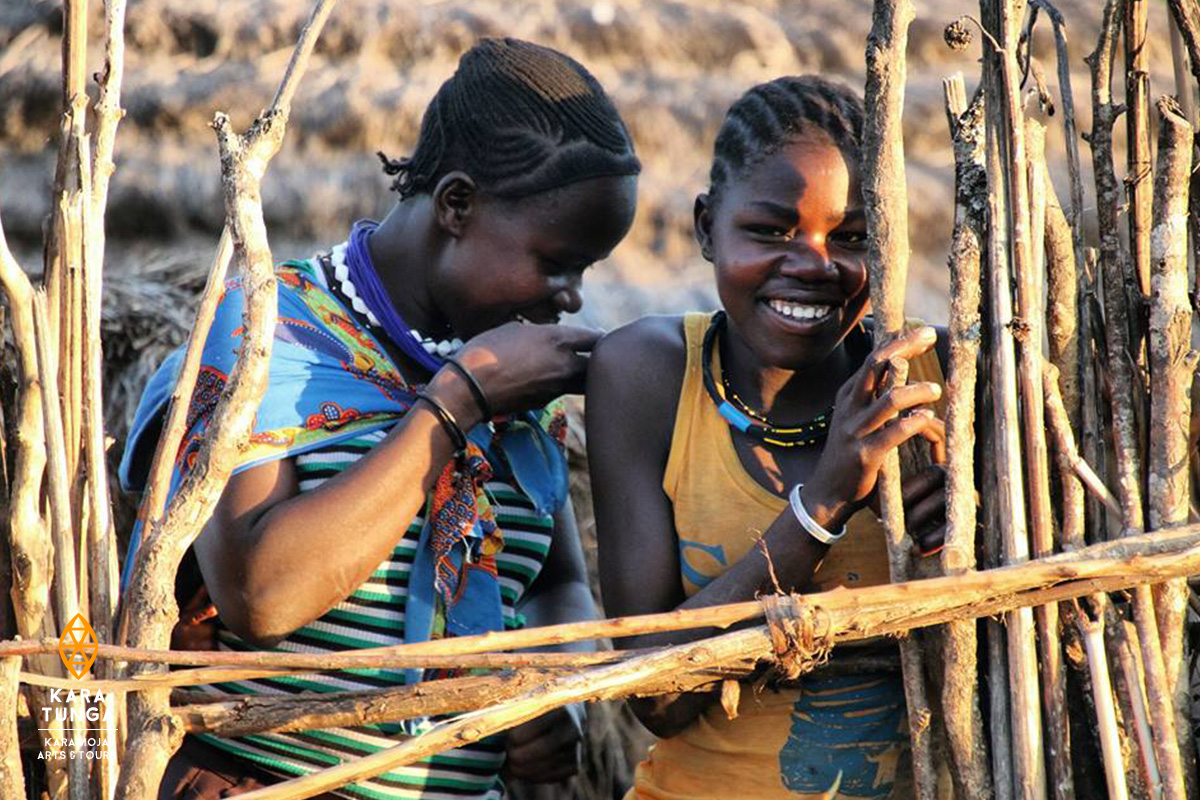
Located in northeastern Uganda, Karamoja offers one of the country’s most fascinating tribal experiences.
The Karamojong people are traditionally pastoralists whose lives revolve around cattle, family, and community traditions. Their distinctive culture remains largely intact despite modernization.
Visitors can experience traditional homesteads known as manyattas, observe cattle-keeping practices, participate in traditional dances, and learn about age-old customs that continue to shape daily life.
The dramatic landscapes of Karamoja add another layer of beauty to the experience, creating a combination of cultural immersion and scenic exploration rarely found elsewhere.
The Ik People: Uganda’s Hidden Cultural Treasure

Among Uganda’s smallest ethnic groups are the Ik people, who inhabit the mountainous region near Kidepo Valley.
For many years, the Ik remained relatively isolated, preserving customs and traditions that differ significantly from neighboring communities.
Visitors who venture into the region gain rare insights into traditional lifestyles, indigenous agricultural practices, and unique social structures.
The journey itself becomes part of the adventure, rewarding travelers with authentic cultural encounters and stunning mountain scenery.
Cultural Experiences in Buganda Kingdom

The Buganda Kingdom is one of Africa’s most influential traditional monarchies and plays a central role in Uganda’s history.
A cultural safari in Buganda introduces visitors to royal traditions, historical sites, traditional architecture, music, dance, and governance systems that have shaped the region for centuries.
Travelers can learn about clan systems, traditional ceremonies, and the cultural values that continue to influence modern Ugandan society.
These experiences provide important historical context while showcasing the living heritage of Uganda’s largest kingdom.
The Banyankole Cultural Experience
Western Uganda offers opportunities to explore the traditions of the Banyankole people.
Known for their iconic Ankole long-horned cattle, the Banyankole maintain strong cultural ties to pastoralism and agriculture.
Visitors can learn about traditional cattle-keeping practices, milk processing, cultural ceremonies, and local storytelling traditions.
Many cultural tours also include opportunities to participate in farming activities and experience daily rural life firsthand.
The combination of cultural learning and beautiful countryside landscapes creates a memorable safari experience.
Uganda Tribal Experience Safari and Traditional Music and dance
Music and dance form an essential part of tribal life across Uganda.
Each ethnic group has unique rhythms, instruments, costumes, and dance styles that reflect community values and historical experiences.
During a tribal safari, visitors often witness energetic performances featuring drums, flutes, harps, xylophones, and vocal traditions that have been passed down through generations.
Beyond entertainment, these performances serve as expressions of identity, storytelling, celebration, and social cohesion.
Participating in traditional dances allows travelers to engage directly with local communities and gain a deeper appreciation of Uganda’s cultural richness.
Uganda Tribal Experience Safari and Local Food Experiences
Food plays a central role in understanding any culture, and Uganda is no exception.
A tribal experience safari often includes opportunities to sample traditional dishes prepared using locally sourced ingredients and time-honored cooking methods.
Travelers may learn how communities prepare staple foods, preserve harvests, and use indigenous ingredients that have sustained generations.
These culinary experiences provide valuable insights into local lifestyles while creating memorable connections through shared meals.
Community-Based Tourism and Sustainable Travel
One of the most important aspects of a Uganda tribal experience safari is its contribution to sustainable development.
Community-based tourism initiatives empower local people by creating employment opportunities and supporting cultural preservation efforts.
When travelers choose responsible cultural experiences, they help ensure that traditional knowledge, languages, crafts, and customs remain valued by future generations.
Furthermore, tourism revenue often supports schools, healthcare facilities, conservation programs, and community infrastructure projects.
This creates a positive cycle that benefits both visitors and host communities.
Combining a Uganda Tribal Experience Safari with Gorilla Trekking
A major advantage of traveling in Uganda is the ability to combine cultural experiences with world-class wildlife adventures.
Many travelers pair tribal encounters with gorilla trekking, chimpanzee tracking, game drives, birdwatching, and nature walks.
For example, visitors exploring Bwindi Impenetrable Forest can combine gorilla trekking with a Batwa cultural experience. Similarly, those visiting Kidepo Valley National Park can interact with Karamojong communities alongside wildlife viewing.
This combination creates a more complete and enriching travel experience.
Best Time for a Uganda Tribal Experience Safari
Cultural experiences can be enjoyed throughout the year because communities maintain their traditions regardless of season.
However, the dry seasons from June to August and December to February generally offer easier travel conditions, particularly for remote cultural destinations.
Travelers interested in cultural festivals and ceremonies may benefit from planning their visits around specific community celebrations, which often provide unique opportunities to witness traditional practices in their most vibrant form.
What to Expect During a Cultural Safari
Visitors should expect authentic interactions, respectful cultural exchanges, and opportunities to learn directly from community members.
Experiences often include village walks, storytelling sessions, craft demonstrations, traditional music and dance performances, local cuisine, and discussions about history and customs.
Respect for local traditions remains essential. Travelers should follow community guidelines, seek permission before taking photographs, and approach cultural encounters with genuine curiosity and openness.
Doing so enhances both the visitor experience and the relationship between travelers and host communities.
Conclusion
A Uganda tribal experience safari reveals a side of the country that many travelers overlook. Beyond gorillas, wildlife, and spectacular landscapes lies an extraordinary tapestry of cultures, traditions, stories, and communities that define Uganda’s identity. From the forest heritage of the Batwa to the pastoral traditions of the Karamojong and the historical significance of the Buganda Kingdom, every cultural encounter provides valuable insights into the nation’s rich heritage.
For travelers seeking authentic experiences that combine cultural immersion, responsible tourism, and unforgettable memories, Uganda stands among Africa’s finest destinations. At Ababa Uganda Safaris, we specialize in creating carefully designed cultural and tribal safari experiences that connect visitors with local communities while promoting sustainable tourism and cultural preservation. Contact Ababa Uganda Safaris today and begin planning a remarkable journey into the heart of Uganda’s living traditions.
Frequently Asked Questions About Uganda Tribal Experience Safaris
1. What is a tribal experience safari in Uganda?
A tribal experience safari focuses on cultural encounters with indigenous communities, allowing visitors to learn about traditional lifestyles, customs, and heritage.
2. How many tribal communities are found in Uganda?
Uganda has more than 50 distinct ethnic groups, each with unique cultural traditions and languages.
3. Are tribal safaris suitable for families?
Yes. Many cultural experiences are family-friendly and educational for travelers of all ages.
4. Can I combine cultural tours with gorilla trekking?
Yes. Many travelers combine cultural experiences with gorilla trekking, wildlife safaris, and nature tours.
5. Which tribal community is most popular among tourists?
The Batwa and Karamojong communities are among the most visited due to their unique cultural heritage.
6. Is photography allowed during tribal visits?
Photography is generally allowed, but visitors should always seek permission before taking photographs.
7. Are cultural tours ethical?
Yes, when organized responsibly through community-based tourism initiatives that directly benefit local people.
8. How long does a tribal experience usually last?
Experiences can range from a few hours to several days depending on the itinerary.
9. What should I wear during community visits?
Modest, comfortable clothing that respects local customs is recommended.
10. Can I participate in traditional activities?
Yes. Many communities encourage visitors to join dances, craft-making sessions, and cultural demonstrations.
11. Is English spoken during cultural tours?
Many guides speak English, while local interpreters often assist during community interactions.
12. What makes Uganda unique for cultural tourism?
Its exceptional ethnic diversity, living traditions, and authentic community experiences make Uganda a leading cultural destination in Africa.
13. Are tribal safaris available year-round?
Yes. Cultural experiences operate throughout the year.
14. Do cultural tours support local communities?
Yes. Tourism revenue often supports education, healthcare, conservation, and community development projects.
15. Why should I choose a cultural safari in Uganda?
A cultural safari offers meaningful human connections, deeper understanding of local traditions, and authentic experiences beyond wildlife viewing.


