
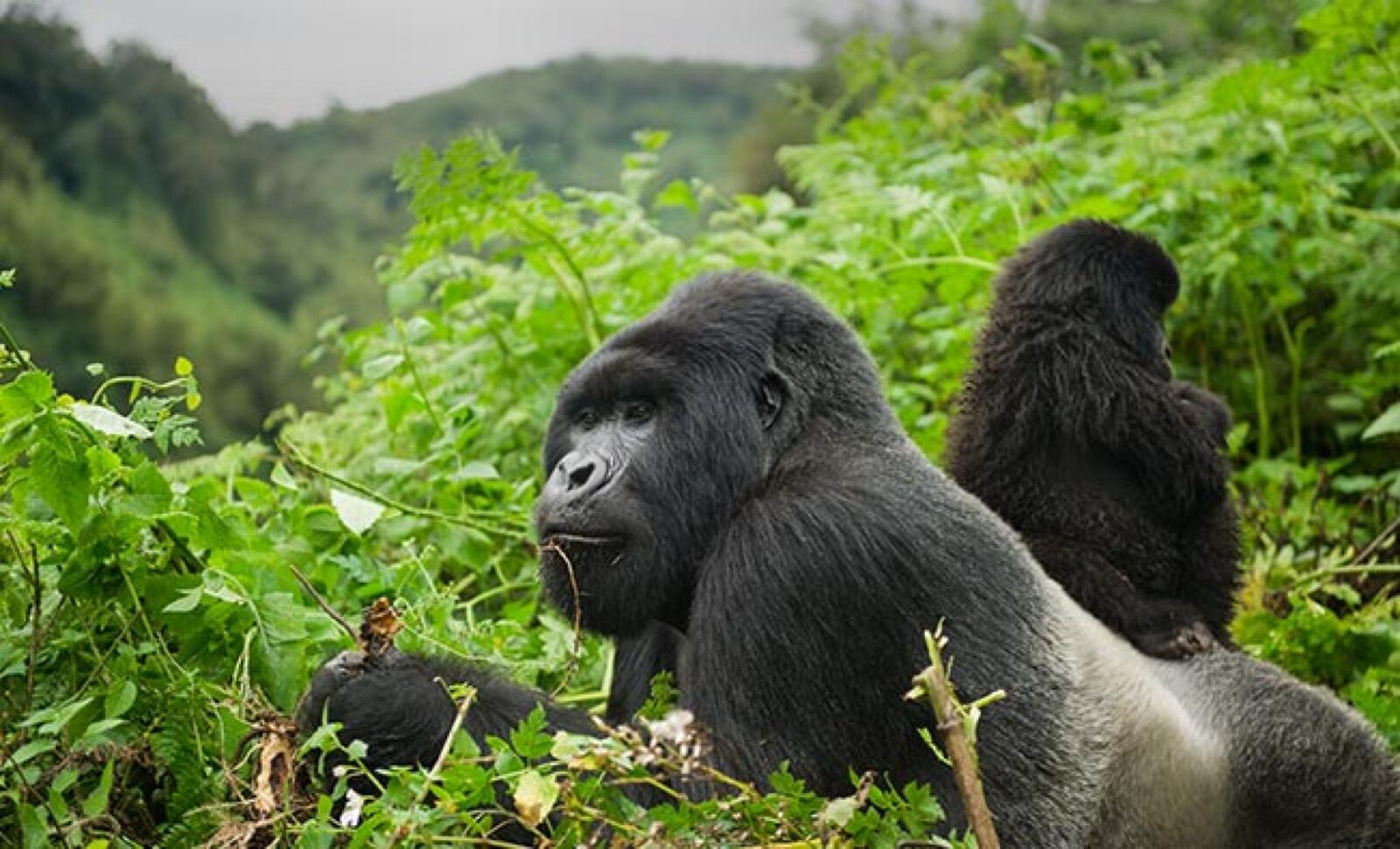
Uganda vs Congo gorilla trekking is a comparison many travelers make when planning a mountain gorilla safari in East Africa. Both countries offer the rare opportunity to encounter endangered mountain gorillas in their natural habitat, yet the overall experience differs significantly in terms of cost, accessibility, safety, accommodation, conservation infrastructure, and safari opportunities.
For many visitors, gorilla trekking is the highlight of an African safari. Standing just a few meters away from a wild gorilla family as they interact, feed, and care for their young is an unforgettable wildlife experience. However, because gorilla trekking requires a substantial investment of time and money, choosing the right destination is essential.
Uganda has become one of Africa’s leading gorilla trekking destinations thanks to its well-developed tourism infrastructure, diverse wildlife experiences, and large mountain gorilla population. Meanwhile, the Democratic Republic of Congo offers a more adventurous and less crowded trekking experience, often at a lower permit cost. While both destinations provide exceptional gorilla encounters, each appeals to a different type of traveler.
Having worked closely with travelers planning gorilla safaris across East Africa, we have observed that the decision between Uganda and Congo often comes down to balancing affordability, accessibility, safety, and the overall safari experience. Understanding these differences can help you select the destination that best matches your travel goals.
This comprehensive Uganda vs Congo gorilla trekking guide compares permit costs, trekking parks, wildlife experiences, accommodation, safety considerations, accessibility, and overall value to help you make an informed decision.
Quick Answer: Uganda vs Congo Gorilla Trekking
For most travelers, Uganda offers the best overall balance of safety, accessibility, conservation success, accommodation quality, and safari diversity.
However, Congo may appeal to adventurous travelers seeking lower permit costs, fewer tourists, and a more remote wilderness experience.
While both destinations provide extraordinary gorilla encounters, Uganda remains the more popular and widely recommended choice for international visitors.
Understanding Gorilla Trekking in Uganda and Congo
Mountain gorillas are among the world’s rarest primates. They survive only in protected forests within Uganda, Rwanda, and the Democratic Republic of Congo.
Gorilla trekking involves hiking through forested habitats with experienced guides and trackers to locate habituated gorilla families. Once found, visitors spend one hour observing the gorillas in their natural environment.
Although the gorillas themselves belong to the same species, the surrounding environment, tourism infrastructure, and visitor experience differ considerably between Uganda and Congo.
Uganda offers well-established tourism systems, multiple trekking sectors, and extensive safari combinations. Congo, on the other hand, provides a more rugged and adventurous setting that appeals to travelers seeking off-the-beaten-path experiences.
Uganda vs Congo Gorilla Trekking at a Glance
| Factor | Uganda | Congo |
|---|---|---|
| Main Gorilla Parks | Bwindi & Mgahinga | Virunga National Park |
| Gorilla Permit Cost | $800 | $400 |
| Accessibility | Excellent | Moderate |
| Tourism Infrastructure | Highly Developed | Limited |
| Safety Reputation | Strong | Variable |
| Accommodation Range | Extensive | Limited |
| Safari Diversity | Excellent | Moderate |
| Tourist Numbers | Higher | Lower |
| Best For | Most Travelers | Adventure Travelers |
This overview highlights why Uganda remains the preferred destination for many visitors while Congo appeals to a smaller niche of adventurous travelers.
Gorilla Trekking Parks in Uganda and Congo

The quality of a gorilla trekking experience depends heavily on the park where it takes place.
Uganda offers trekking in two protected areas. The most famous is Bwindi Impenetrable National Park, home to nearly half of the world’s remaining mountain gorillas. Its dense rainforest, diverse wildlife, and numerous habituated gorilla families make it one of Africa’s premier wildlife destinations.
Uganda also offers gorilla trekking in Mgahinga Gorilla National Park, which forms part of the greater Virunga ecosystem.
In Congo, gorilla trekking primarily takes place in Virunga National Park. This park is Africa’s oldest national park and one of the continent’s most biologically diverse protected areas.
Virunga offers spectacular volcanic landscapes and remarkable biodiversity. However, periodic security concerns have affected tourism operations over the years.
Gorilla Permit Costs: Uganda vs Congo Gorilla Trekking
Permit cost is often one of the first factors travelers consider.
Permit fees support conservation programs, anti-poaching efforts, ranger salaries, habitat protection, and local community projects.
Gorilla Permit Cost Comparison
| Destination | Gorilla Permit Cost |
|---|---|
| Uganda | $800 |
| Congo | $400 |
Congo offers one of the lowest gorilla permit prices in Africa.
For budget-conscious travelers, this price difference can be attractive. However, permit cost should not be the only factor considered when evaluating overall safari value.
Transportation, accommodation, travel logistics, and security arrangements also influence the final cost of a trip.
Overall Safari Cost Comparison
Although Congo permits are cheaper, total safari costs vary depending on itinerary design and travel preferences.
Safari Cost Comparison
| Safari Type | Uganda | Congo |
|---|---|---|
| Budget Safari | $900–$1,800 | $700–$1,500 |
| Mid-Range Safari | $1,800–$3,500 | $1,500–$3,000 |
| Luxury Safari | $3,500–$8,000+ | Limited Availability |
Uganda offers more accommodation options across all price categories. Consequently, travelers often enjoy greater flexibility when designing itineraries.
Accessibility and Travel Logistics
Accessibility is one of Uganda’s strongest advantages.
Most travelers arrive through Entebbe International Airport and continue to southwestern Uganda by road or domestic flight.
Road networks serving gorilla trekking regions continue to improve, and domestic flights provide efficient connections to major trekking areas.
In contrast, reaching Virunga National Park often requires additional logistical planning. Access routes may vary depending on security conditions and operational requirements.
As a result, travelers seeking smooth and predictable travel arrangements typically favor Uganda.
Safety Considerations
Safety is often the most important difference when comparing Uganda vs Congo gorilla trekking.
Uganda has developed a strong reputation as a stable and welcoming tourism destination. Gorilla trekking regions receive regular security support, and tourism operations function reliably throughout the year.
Congo’s Virunga National Park remains one of Africa’s most remarkable conservation areas. However, political instability and security concerns have occasionally affected tourism activities.
Conditions can change over time, which means travelers considering Congo should always review current travel advisories and consult experienced safari operators before booking.
For many international visitors, Uganda’s established tourism environment provides greater peace of mind.
Gorilla Viewing Experience

When it comes to the actual gorilla encounter, both destinations deliver exceptional experiences.
Mountain gorillas behave similarly regardless of national borders. Visitors in both Uganda and Congo spend one hour observing habituated gorilla families.
The emotional impact of seeing a silverback, watching playful juveniles, and observing mothers caring for infants remains equally powerful.
Many experienced guides note that the quality of gorilla encounters is outstanding in both countries.
Therefore, the decision often depends less on the gorillas themselves and more on the broader travel experience.
Trekking Difficulty and Terrain
Uganda’s trekking routes vary considerably depending on the assigned gorilla family.
Bwindi’s terrain includes steep hills, dense vegetation, and challenging rainforest trails. Some treks are relatively short, while others require several hours of hiking.
Virunga National Park features volcanic terrain and montane forests. Treks can also vary in difficulty depending on gorilla movements.
Both destinations require a reasonable level of fitness, although guides work hard to accommodate different abilities.
Overall, neither destination holds a clear advantage in trekking difficulty.
Accommodation Comparison
Accommodation quality is another area where Uganda stands out.
The country offers a wide range of lodges, camps, and guesthouses near trekking sectors. Budget travelers, mid-range visitors, and luxury safari guests all have numerous options.
Many lodges provide exceptional views, personalized service, and comfortable facilities that enhance the overall safari experience.
Congo offers fewer accommodation choices. While some excellent properties exist near Virunga National Park, the overall selection remains more limited compared to Uganda.
Consequently, travelers seeking flexibility and comfort often prefer Uganda.
Wildlife Safaris Beyond Gorillas
One of Uganda’s greatest strengths is the ability to combine gorilla trekking with other wildlife experiences.
Visitors can easily extend their safari to include:
- Game drives in Queen Elizabeth National Park
- Boat safaris on the Kazinga Channel
- Chimpanzee trekking in Kibale National Park
- Wildlife viewing in Murchison Falls National Park
- Big game experiences in Kidepo Valley National Park
These combinations allow travelers to enjoy a complete East African safari experience within one country.
Congo also offers impressive biodiversity, but tourism infrastructure for multi-destination safaris remains less developed.
Photography Opportunities
Photography enthusiasts often ask whether Uganda or Congo provides better opportunities.
Both destinations offer excellent wildlife photography.
Bwindi’s dense rainforest creates dramatic jungle settings, while Virunga’s volcanic landscapes provide stunning scenic backgrounds.
Lighting conditions vary depending on weather, vegetation density, and gorilla positioning.
Ultimately, both destinations reward patient photographers with extraordinary wildlife images.
Our Experience Comparing Uganda and Congo Gorilla Trekking
Through years of planning gorilla safaris across East Africa, one trend remains consistent.
Travelers choosing Uganda often prioritize reliability, comfort, safari variety, and overall value. They appreciate the ability to combine gorilla trekking with additional wildlife experiences while enjoying strong tourism infrastructure.
Travelers interested in Congo are usually drawn by the spirit of adventure, lower permit costs, and the appeal of exploring one of Africa’s least-visited wildlife destinations.
While both experiences can be rewarding, Uganda consistently delivers the most balanced and accessible gorilla trekking safari for the majority of international visitors.
Which Destination Offers Better Value?
Value involves more than permit prices.
Although Congo’s permits cost less, Uganda frequently delivers stronger overall value when considering safety, accommodation quality, transportation, conservation infrastructure, and additional safari opportunities.
Travelers who compare the complete experience often conclude that Uganda offers a more comprehensive safari package despite the higher permit fee.
This is one reason why Uganda continues to attract a growing number of gorilla trekking visitors each year.
Final Verdict: Uganda vs Congo Gorilla Trekking
The Uganda vs Congo gorilla trekking comparison ultimately comes down to travel priorities.
Congo offers affordability, adventure, and a less crowded trekking environment. It appeals to travelers seeking unique wilderness experiences and lower permit costs.
Uganda excels in accessibility, accommodation quality, safari diversity, conservation success, and visitor confidence. These strengths make it the preferred choice for most travelers planning a gorilla trekking safari.
For visitors seeking the best overall combination of wildlife encounters, travel convenience, safety, and safari experiences, Uganda remains the stronger option.
However, adventurous travelers willing to navigate additional logistical considerations may find Congo’s remote wilderness appeal highly rewarding.
Regardless of the destination you choose, encountering mountain gorillas in the wild remains one of the most extraordinary wildlife experiences available anywhere on Earth.
Frequently Asked Questions
Is Uganda or Congo better for gorilla trekking?
Uganda is generally considered better for most travelers because of its strong tourism infrastructure, safari diversity, accessibility, and safety reputation.
Why is Congo gorilla trekking cheaper?
Congo offers lower permit prices to encourage tourism and make gorilla trekking more accessible. However, travelers should also consider logistics, accommodation, and security factors.
Are the gorillas different in Uganda and Congo?
No. The mountain gorillas found in Uganda and Congo belong to the same species and offer equally remarkable wildlife encounters.
Can I combine gorilla trekking with other safaris in Uganda?
Yes. Uganda offers excellent opportunities to combine gorilla trekking with chimpanzee trekking, wildlife safaris, boat cruises, birdwatching, and cultural experiences.


