
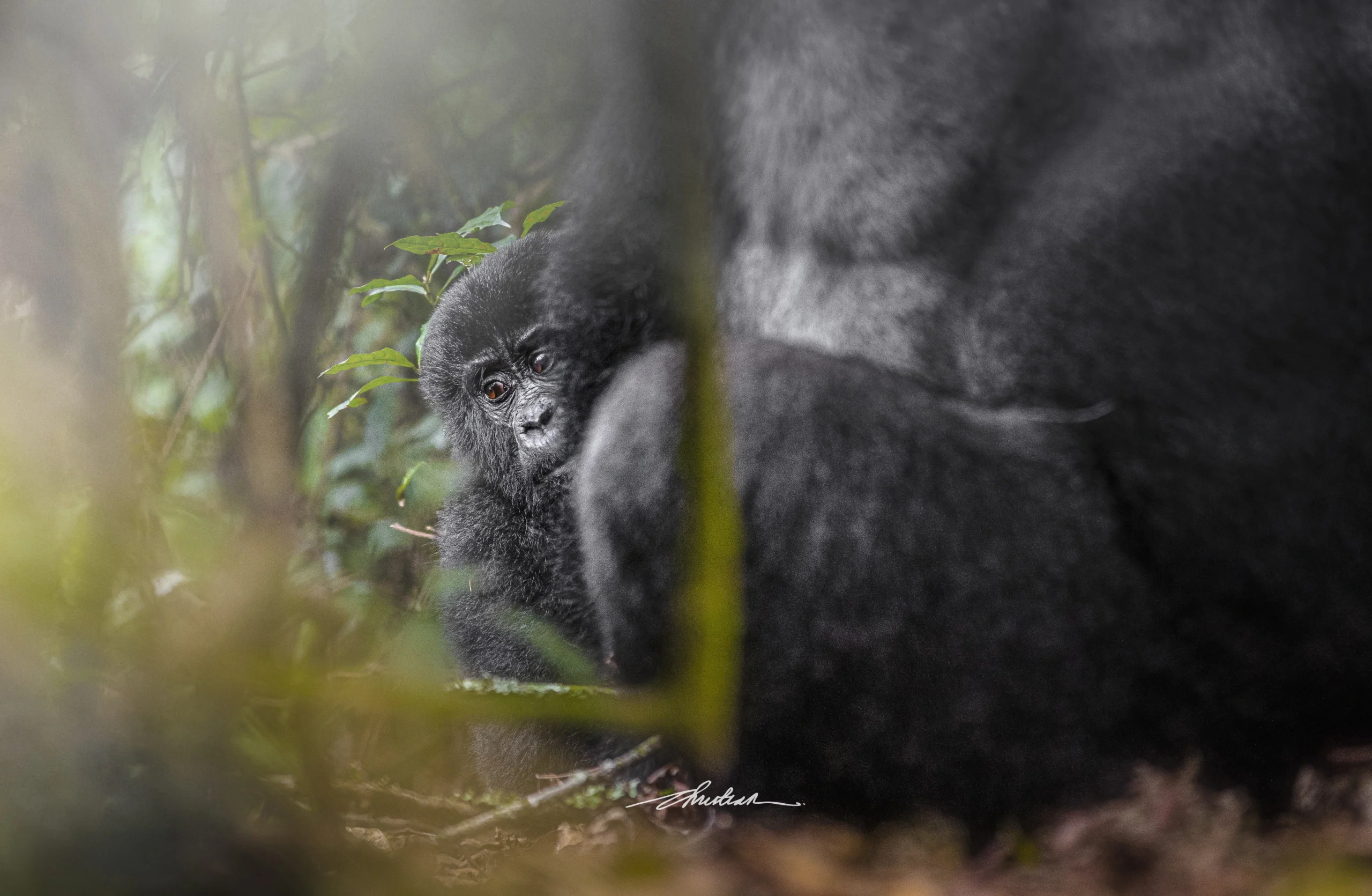
Uganda vs Rwanda gorilla trekking is one of the biggest decisions travelers face when planning a mountain gorilla safari in East Africa. Both destinations offer the rare opportunity to spend time with endangered mountain gorillas in their natural habitat, yet they differ significantly in cost, accessibility, accommodation, trekking experience, and overall safari value.
Uganda is often the preferred choice for travelers seeking affordability, diverse wildlife experiences, and longer safari adventures. Rwanda, on the other hand, appeals to visitors looking for luxury, convenience, and quick access to gorilla trekking from Kigali. While both countries provide exceptional gorilla encounters, the best destination ultimately depends on your budget, travel style, and expectations.
This guide compares Uganda and Rwanda across permit costs, trekking parks, safari experiences, accommodation, accessibility, and overall value to help you choose the perfect gorilla trekking destination
Quick Answer: Uganda or Rwanda for Gorilla Trekking?
For most travelers seeking value, diverse safari experiences, and excellent gorilla encounters, Uganda is often the better choice.
However, travelers prioritizing luxury, convenience, and shorter travel times frequently prefer Rwanda.
Both destinations offer extraordinary mountain gorilla experiences. Therefore, the best choice depends on your budget, available time, travel style, and safari expectations.
Understanding Mountain Gorilla Trekking

Mountain gorillas are among the world’s most endangered great apes. Today, they survive only within protected forests in East Africa. Conservation efforts over several decades have helped their population recover, making mountain gorillas one of the few endangered species showing encouraging growth.
Gorilla trekking involves hiking through protected forests alongside experienced guides and trackers in search of habituated gorilla families. Once the gorillas are located, visitors spend one hour observing their behavior, interactions, and daily activities.
This hour often becomes the highlight of an African safari. Watching a silverback lead his family, observing playful juveniles, or witnessing mothers care for infants creates a powerful wildlife experience unlike any other.
Both Uganda and Rwanda offer access to these encounters. However, the trekking environment and overall safari experience differ in important ways.
Gorilla Trekking Parks in Uganda and Rwanda
The first major difference between the two countries lies in their trekking destinations.
Uganda offers gorilla trekking in two national parks. The most famous is Bwindi Impenetrable National Park, which contains nearly half of the world’s remaining mountain gorillas. This UNESCO-recognized rainforest features steep hills, dense vegetation, and extraordinary biodiversity.
The second destination is Mgahinga Gorilla National Park, a smaller but equally rewarding park located within the Virunga Mountains. Although it hosts fewer gorilla families, it offers spectacular volcanic scenery and a quieter trekking experience.
Rwanda, meanwhile, concentrates all gorilla trekking activities within Volcanoes National Park. Located in the northwestern part of the country, this park forms part of the larger Virunga ecosystem shared with Uganda and the Democratic Republic of Congo.
While Volcanoes National Park is smaller than Bwindi, it offers excellent infrastructure, well-maintained tourism facilities, and relatively easy access from Kigali.
Uganda vs Rwanda Gorilla Permit Costs
One of the most important considerations for travelers is the cost of gorilla permits.
Permit fees contribute directly to conservation efforts and help fund habitat protection, ranger patrols, anti-poaching initiatives, and community development programs.
The difference in permit pricing remains one of the biggest distinctions between the two destinations.
Gorilla Permit Cost Comparison
| Destination | Gorilla Permit Cost |
|---|---|
| Uganda | $800 |
| Rwanda | $1,500 |
Uganda’s permit cost is significantly lower than Rwanda’s. Consequently, many travelers view Uganda as the better value option.
For couples, families, and groups, the savings can be substantial. Those funds can often be redirected toward accommodation upgrades, additional safari activities, or longer itineraries.
Rwanda’s higher permit price reflects its premium tourism positioning and emphasis on luxury travel experiences.
Overall Safari Cost Comparison
Permit fees represent only one part of the total safari budget.
Accommodation, transportation, meals, guide services, and additional activities all contribute to the final cost.
Typical Gorilla Safari Cost Comparison
| Safari Category | Uganda | Rwanda |
|---|---|---|
| Budget Safari | $900–$1,800 | $2,000–$3,500 |
| Mid-Range Safari | $1,800–$3,500 | $3,500–$6,000 |
| Luxury Safari | $3,500–$8,000+ | $5,500–$15,000+ |
Uganda generally provides greater affordability across all safari categories. Meanwhile, Rwanda targets travelers willing to pay more for convenience and luxury.
Accessibility and Travel Time
Accessibility often plays a major role in destination selection.
Rwanda holds a significant advantage in this category.
After arriving at Kigali International Airport, travelers can typically reach Volcanoes National Park within two to three hours by road. This short transfer allows visitors to complete gorilla trekking even during a brief visit.
In contrast, reaching Bwindi Impenetrable National Park from Uganda’s capital usually requires a longer journey. Road transfers often take eight to ten hours, although domestic flights significantly reduce travel time.
Therefore, travelers with limited schedules frequently prefer Rwanda. However, visitors planning longer safaris often find Uganda’s additional travel worthwhile because of the broader range of wildlife experiences available.
The Trekking Experience: Uganda vs Rwanda
The actual gorilla encounter is extraordinary in both countries. Nevertheless, the trekking experience itself can vary.
Uganda’s Bwindi Impenetrable National Park is known for its dense rainforest, steep terrain, and adventurous atmosphere. Trekkers often feel immersed in a remote wilderness environment.
The dense vegetation creates a sense of exploration that many travelers find exciting. Additionally, the large number of gorilla families available for trekking increases itinerary flexibility.
Rwanda’s Volcanoes National Park offers a somewhat different experience. The terrain often consists of bamboo forests and volcanic slopes that can feel more open than Bwindi’s thick rainforest.
Some visitors find Rwanda’s treks slightly easier, although trek difficulty ultimately depends on the location of the assigned gorilla family.
In terms of gorilla viewing quality, both destinations provide exceptional encounters.
Gorilla Family Availability
Uganda currently hosts more habituated gorilla families available for tourism than Rwanda.
This larger number provides several advantages.
Visitors often have greater flexibility when selecting trekking sectors. Additionally, permit availability can sometimes be easier to secure during busy travel periods.
Bwindi alone contains numerous habituated families distributed across multiple trekking regions. Consequently, Uganda offers a wider range of trekking options and experiences.
Rwanda’s Volcanoes National Park hosts fewer gorilla families but maintains excellent management standards and visitor experiences.
Accommodation Options
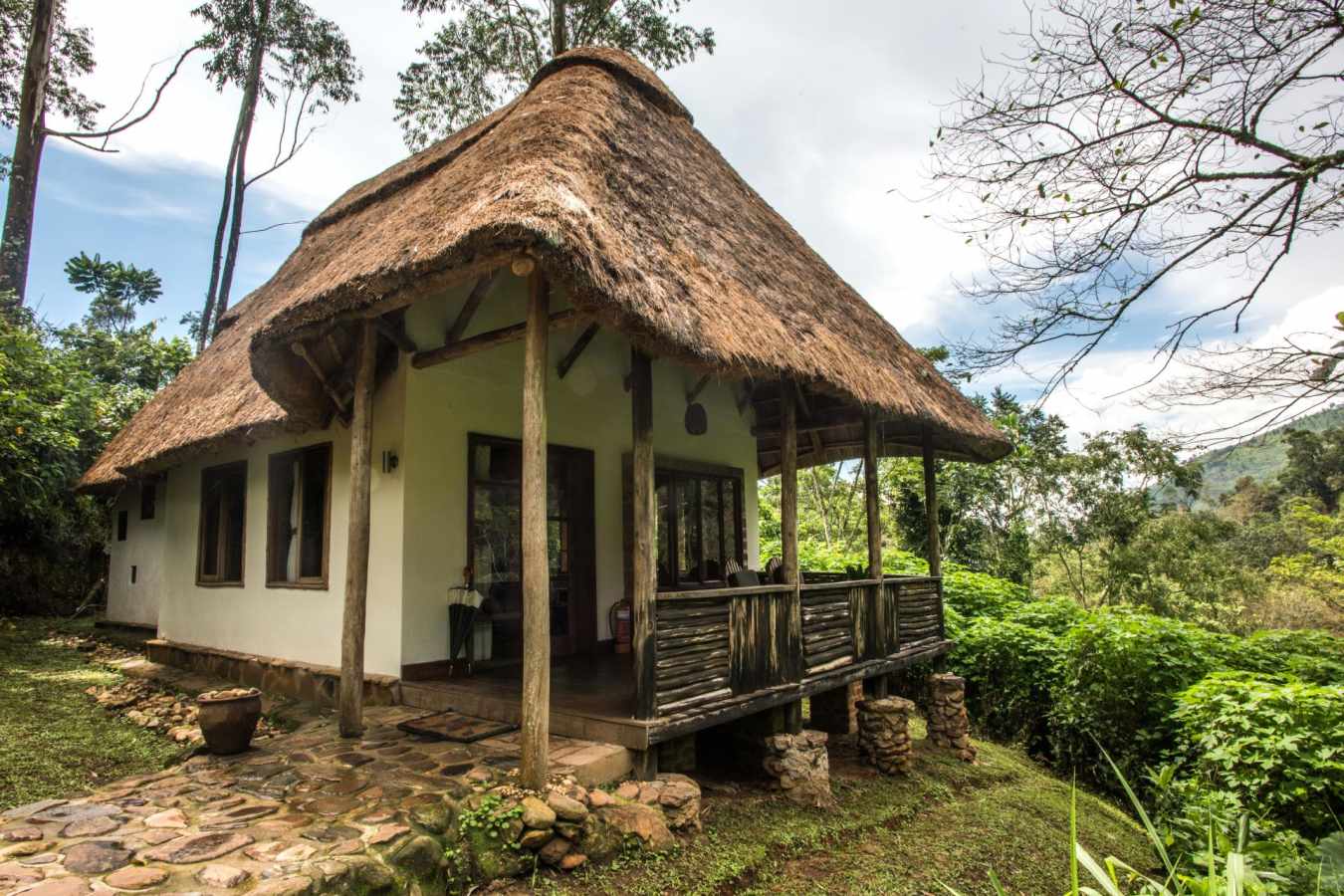
Accommodation quality is excellent in both countries.
Uganda offers the broadest range of lodging choices. Budget travelers, mid-range visitors, and luxury guests can all find suitable options near the trekking sectors.
Bwindi’s various regions feature lodges that cater to diverse budgets and preferences.
Rwanda, meanwhile, is particularly strong in the luxury market. The country hosts some of Africa’s most exclusive safari lodges, attracting high-end travelers from around the world.
Visitors seeking premium service, luxury amenities, and exclusive experiences often gravitate toward Rwanda.
Best Destination for Luxury Gorilla Trekking
Luxury travelers frequently ask whether Uganda or Rwanda provides a better high-end experience.
While Uganda offers exceptional luxury lodges, Rwanda generally leads in the premium safari segment.
The country’s focus on upscale tourism has resulted in world-class accommodations, personalized services, and seamless logistics.
Furthermore, the short transfer from Kigali enhances convenience and appeals to travelers seeking efficient itineraries.
As a result, Rwanda remains one of Africa’s premier luxury safari destinations.
Best Destination for Budget Gorilla Trekking
For budget-conscious travelers, Uganda is the clear winner.
Lower permit fees, broader accommodation choices, and more affordable safari packages make Uganda significantly more accessible.
Travelers can often experience gorilla trekking in Uganda at nearly half the cost of a comparable Rwandan itinerary.
Therefore, Uganda consistently attracts travelers seeking maximum value without sacrificing wildlife quality.
Combining Gorilla Trekking with Other Safaris
This is an area where Uganda holds a substantial advantage.
In addition to gorilla trekking, Uganda offers a diverse range of wildlife experiences.
Visitors can combine gorilla trekking with chimpanzee trekking, game drives, boat safaris, birdwatching, mountain hiking, and cultural encounters.
Popular destinations include:
- Queen Elizabeth National Park
- Murchison Falls National Park
- Kibale National Park
- Kidepo Valley National Park
- Lake Mburo National Park
These opportunities allow travelers to create comprehensive safari itineraries that showcase Uganda’s remarkable biodiversity.
Rwanda also offers wildlife experiences, particularly in Akagera National Park and Nyungwe Forest National Park. However, Uganda generally provides greater safari diversity.
Our Expert Perspective
Having helped travelers plan gorilla safaris across East Africa for years, one observation remains consistent: there is no wrong choice between Uganda and Rwanda.
Travelers who choose Uganda frequently praise the country’s value, diverse wildlife, and adventurous atmosphere.
Meanwhile, visitors to Rwanda often highlight the country’s efficiency, luxury accommodations, and convenient access to Volcanoes National Park.
Ultimately, satisfaction levels remain extremely high in both destinations because the mountain gorilla encounter itself is extraordinary regardless of location.
The decision usually comes down to travel priorities rather than gorilla viewing quality.
Conservation Impact
Both Uganda and Rwanda have become global conservation success stories.
Tourism revenue supports habitat protection, anti-poaching initiatives, veterinary programs, and local community development.
As tourism continues generating economic benefits, local communities gain incentives to protect gorillas and their habitats.
This conservation model has played a significant role in increasing mountain gorilla populations over recent decades.
Consequently, every gorilla permit contributes directly to the survival of one of the world’s most endangered great apes.
Which Destination Should You Choose?
If your primary goal is affordability, safari variety, and overall value, Uganda is likely the better choice.
If convenience, luxury, and shorter travel times are your priorities, Rwanda may be the ideal destination.
Fortunately, both countries deliver unforgettable encounters with mountain gorillas.
Whether you trek through the dense forests of Bwindi or the volcanic slopes of Volcanoes National Park, the experience of standing just meters away from a gorilla family remains one of Africa’s greatest wildlife adventures.
Final Verdict: Uganda vs Rwanda Gorilla Trekking
The Uganda vs Rwanda gorilla trekking debate ultimately depends on what you value most as a traveler.
Uganda excels in affordability, safari diversity, and the number of available gorilla families. It offers outstanding value while providing world-class wildlife experiences.
Rwanda stands out for luxury, convenience, and accessibility. Its premium tourism infrastructure appeals to travelers seeking seamless and exclusive experiences.
For most travelers, Uganda offers the best overall balance of cost, adventure, and wildlife diversity. However, Rwanda remains an exceptional choice for those prioritizing comfort and efficiency.
Regardless of your decision, gorilla trekking represents one of the most meaningful wildlife experiences available anywhere in the world.
Frequently Asked Questions
Is Uganda or Rwanda better for gorilla trekking?
Uganda is generally better for travelers seeking affordability, diverse safari experiences, and greater value. Rwanda is often preferred by luxury travelers seeking convenience and shorter travel times.
Why is Rwanda gorilla trekking more expensive?
Rwanda positions itself as a premium tourism destination. Higher permit fees and luxury-focused tourism infrastructure contribute to the increased cost.
Are mountain gorillas the same in Uganda and Rwanda?
Yes. The mountain gorillas found in Uganda and Rwanda belong to the same species and live within connected ecosystems.
Which country offers better safari combinations?
Uganda offers more diverse safari opportunities, including wildlife safaris, chimpanzee trekking, birdwatching, and cultural experiences alongside gorilla trekking.


