
Uganda wildlife safaris offer one of the most diverse and immersive nature experiences in Africa. Unlike destinations that focus on a single type of safari, Uganda combines Savannah game drives, rain forest primate tracking, river cruises, mountain ecosystems, and cultural encounters into one destination. As a result, travelers experience a full spectrum of African wildlife within a single journey.
Uganda, officially the Republic of Uganda, earns the title “Pearl of Africa” because of its rich biodiversity and dramatic landscapes. Within its borders, travelers encounter elephants on open plains, chimpanzees in tropical forests, and mountain gorillas in ancient rain forests. This rare ecological variety makes Uganda one of the most complete wildlife destinations in the world.
This guide explores everything travelers need to know about Uganda wildlife safaris, including national parks, wildlife encounters, safari planning, costs, itineraries, and frequently asked questions. It helps travelers understand what to expect and how to plan a meaningful and well-structured safari experience.
Why Uganda Wildlife Safaris Are Unique in Africa
Uganda wildlife safaris stand out because they combine multiple ecosystems within one country. While many African destinations specialize in either Savannah safaris or rain forest experiences, Uganda delivers both within a relatively compact geographic area.
For example, a traveler can observe lions in open savannas in the morning and track chimpanzees in dense rain forest in the afternoon. This combination creates a dynamic safari experience that feels constantly changing and deeply engaging.
Additionally, Uganda’s landscapes vary dramatically. The northern region features semi-arid savannas, the western region contains dense tropical forests, and the southwestern region showcases volcanic highlands and crater lakes. Because of this diversity, every safari day offers a completely different environment.
Unlike more commercialized safari destinations, Uganda still preserves a strong sense of wilderness and authenticity, which enhances the overall experience.
Murchison Falls National Park: Uganda’s Largest Wildlife Ecosystem
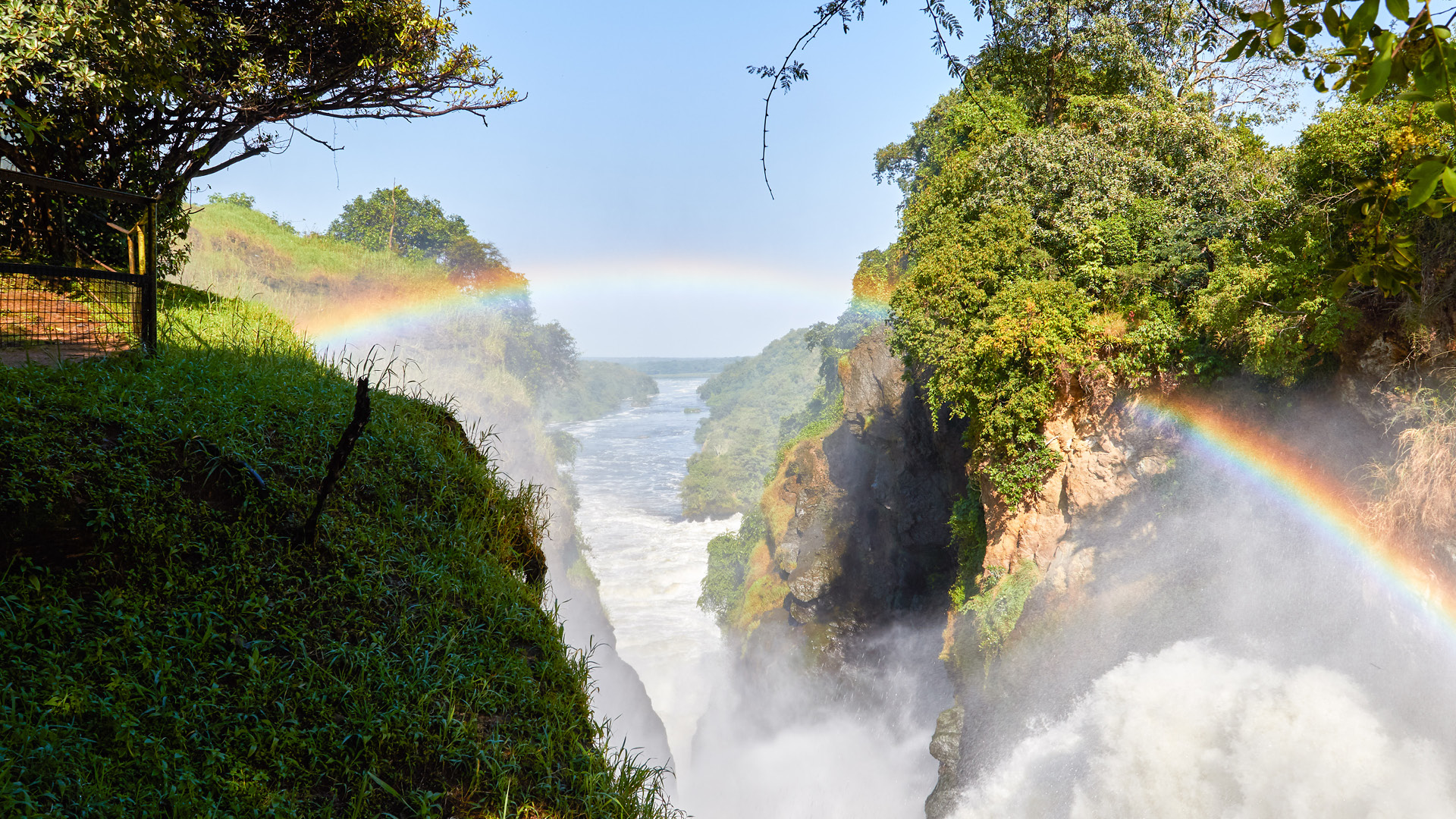
One of the most important destinations for Uganda wildlife safaris is Murchison Falls National Park. This park ranks as Uganda’s largest protected wildlife area and delivers one of the most powerful natural attractions in East Africa.
The park features the dramatic Murchison Falls, where the Nile River forces itself through a narrow gorge before plunging into a thunderous waterfall. This natural feature creates one of the most scenic river landscapes in Africa.
Game drives across the Savannah plains reveal elephants, giraffes, buffalo, lions, hippos, crocodiles, and antelopes. The park also supports boat safaris along the Nile River, where visitors observe hippos, crocodiles, and bird-life at close range.
Because of its size and diversity, Murchison Falls consistently ranks as a key highlight in most Uganda wildlife safari itineraries.
Queen Elizabeth National Park: The Most Diverse Safari Destination
Queen Elizabeth National Park stands out as one of Uganda’s most biologically diverse protected areas. It combines savannah plains, volcanic crater lakes, wetlands, and tropical forests within one ecosystem.
The Ishasha sector hosts the famous tree-climbing lions, which rest on large fig trees. This rare behavior attracts wildlife enthusiasts from across the world.
The Kazinga Channel connects Lake Edward and Lake George and supports large populations of hippos, buffalo, elephants, and birds. Boat cruises along this channel provide some of the best wildlife viewing opportunities in Uganda.
Because of its ecological variety, Queen Elizabeth National Park delivers one of the most complete safari experiences in East Africa.
Kibale National Park: The Primate Capital of Africa
Kibale National Park earns its reputation as the primate capital of Africa due to its high concentration of primate species. The park is most famous for chimpanzee tracking, which allows visitors to observe these intelligent animals in their natural habitat.
Chimpanzee tracking takes travelers through dense tropical forest guided by experienced trackers. Visitors observe chimpanzees as they feed, groom, play, and communicate within their social groups.
In addition to chimpanzees, Kibale hosts red colobus monkeys, L’Hoest’s monkeys, and several other primate species. This makes it one of the best destinations in Africa for primate-focused wildlife experiences.
Kibale often pairs with Queen Elizabeth National Park in safari itineraries, which creates a balanced forest-and-savannah experience.
Bwindi Impenetrable Forest: The Gorilla Safari Experience

One of the most iconic experiences in Uganda wildlife safaris is gorilla trekking in Bwindi Impenetrable National Park.
Bwindi serves as a UNESCO World Heritage Site and protects nearly half of the world’s remaining mountain gorillas. Trekking through its dense rainforest allows visitors to observe gorilla families in their natural environment.
Authorities carefully regulate the experience to protect both visitors and gorillas. They assign groups to specific gorilla families, and visitors spend one hour observing them once trackers locate them.
This experience often creates a strong emotional impact because of the close genetic connection between humans and gorillas.
Bwindi remains one of the most important highlights of any Uganda wildlife safari.
Lake Victoria: Uganda’s Freshwater Ecosystem
Lake Victoria stands as Africa’s largest freshwater lake and plays a vital role in Uganda’s wildlife ecosystem.
The lake supports diverse bird species, fish populations, and island habitats. It also serves as a major entry point for travelers arriving through Kampala.
Boat cruises, fishing trips, and cultural visits around the lake provide a calm contrast to inland safari activities.
Many safari itineraries begin or end near Lake Victoria to balance adventure with relaxation.
Jinja: Adventure and Wildlife Integration
Uganda wildlife safaris often extend into adventure experiences in Jinja, known as the source of the Nile River.
Jinja offers activities such as white-water rafting, kayaking, bungee jumping, and Nile boat cruises. These activities add an adventure dimension to traditional wildlife safaris.
The combination of wildlife and adventure makes Uganda one of the most dynamic safari destinations in Africa.
What Wildlife You Can Expect in Uganda
Uganda hosts an impressive range of wildlife species. Savannah parks support elephants, lions, leopards, buffalo, giraffes, zebras, and antelopes.
Forest ecosystems host chimpanzees, gorillas, and other primates. Uganda also supports over 1,000 bird species, which makes it one of Africa’s top birding destinations.
This diversity ensures that Uganda wildlife safaris remain engaging throughout the entire journey.
Best Time for Uganda Wildlife Safaris
Uganda wildlife safaris operate throughout the year, and each season offers distinct advantages.
Dry seasons improve road conditions and make wildlife easier to spot because animals gather around water sources. Wet seasons create lush landscapes, fewer tourists, and excellent birdwatching opportunities.
Because Uganda’s ecosystems remain active year-round, safari experiences remain consistently rewarding in every season.
Uganda Wildlife Safari Costs and Planning Considerations
The cost of Uganda wildlife safaris varies based on duration, accommodation type, and included activities.
Budget safaris typically use basic lodges and shared transport, while mid-range safaris offer comfortable lodges and private guides. Luxury safaris include high-end lodges, fly-in services, and exclusive experiences.
Gorilla trekking permits represent one of the highest cost components, and travelers must book them in advance due to limited availability.
Proper planning improves value and ensures a smoother safari experience.
Sample Uganda Wildlife Safari Experience Flow
A typical Uganda wildlife safari often begins in Kampala before travelers proceed to Murchison Falls for game drives and boat safaris. From there, journeys continue to Kibale for chimpanzee tracking and Queen Elizabeth National Park for wildlife viewing.
The itinerary usually ends in Bwindi Impenetrable Forest for gorilla trekking before returning via Lake Victoria or Entebbe.
This route allows travelers to experience Uganda’s full ecological diversity in one journey.
Frequently Asked Questions About Uganda Wildlife Safaris
What animals can I see on Uganda wildlife safaris?
Uganda offers elephants, lions, leopards, buffalo, giraffes, hippos, crocodiles, chimpanzees, and mountain gorillas, along with hundreds of bird species.
Are Uganda wildlife safaris safe?
Yes, Uganda safaris remain safe when licensed tour operators and professional guides conduct them under national park regulations.
How many days do I need for a Uganda safari?
Most Uganda wildlife safaris take between 5 and 12 days depending on the number of parks and activities included.
Is gorilla trekking part of Uganda wildlife safaris?
Yes, many Uganda safari itineraries include gorilla trekking in Bwindi as a key highlight.
What is the best time to visit Uganda for safaris?
Uganda safaris operate year-round, but dry seasons generally offer easier travel conditions and better wildlife visibility.
Conclusion: Why Uganda Wildlife Safaris Are Truly Exceptional
Uganda wildlife safaris deliver one of the most complete and diverse safari experiences in Africa. The combination of savannah game drives, rainforest trekking, primate encounters, river ecosystems, and mountain landscapes creates a unique travel experience that few destinations can match.
From Murchison Falls and Queen Elizabeth National Park to Kibale Forest and Bwindi Impenetrable Forest, Uganda showcases unmatched biodiversity within one country.
What makes Uganda truly special is its ability to combine adventure, wildlife, culture, and conservation into a single journey. For travelers seeking authenticity, variety, and a deep connection with nature, Uganda wildlife safaris remain one of the most rewarding experiences in the world.


