
Volcano Views During Gorilla Trekking
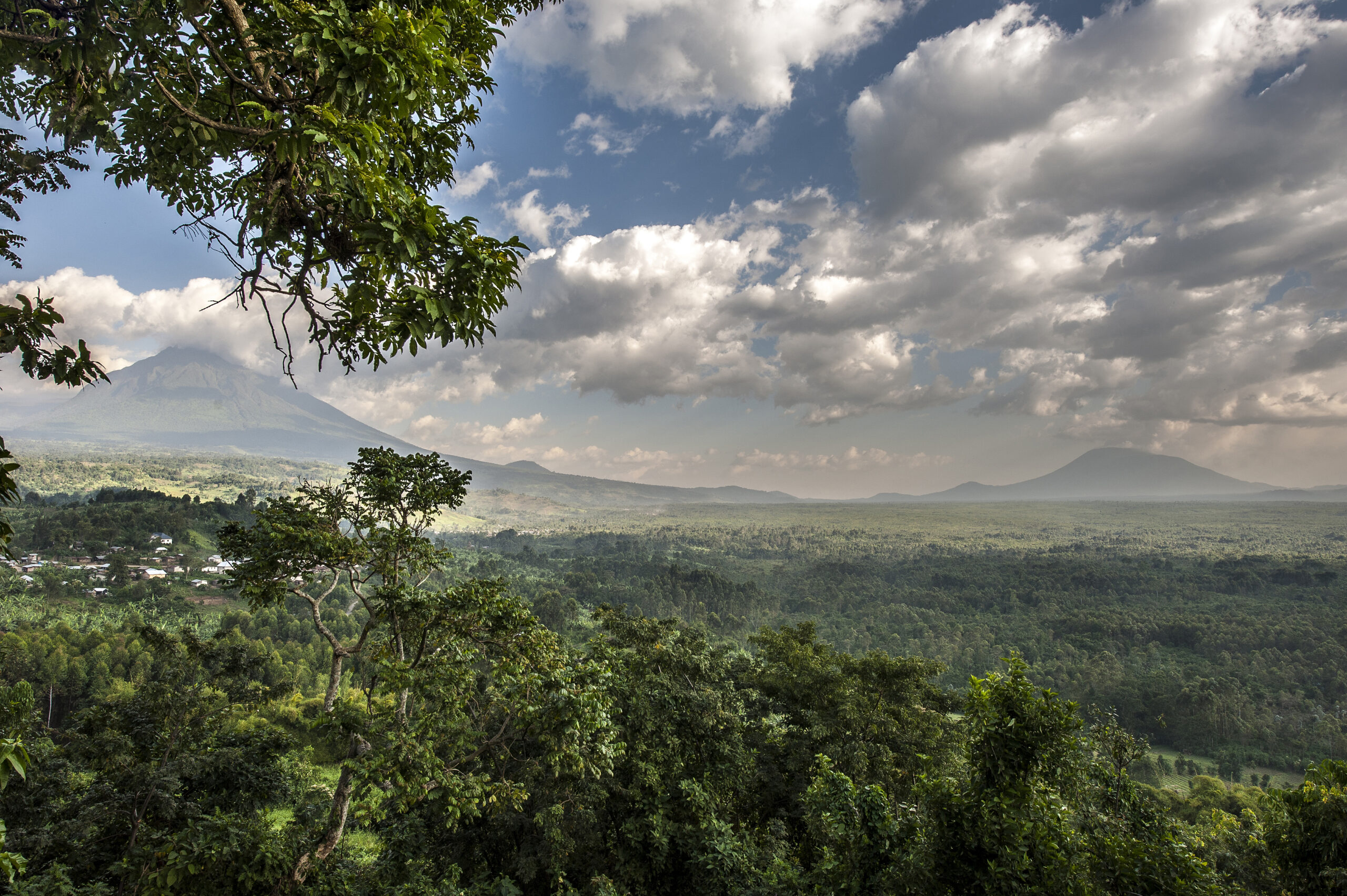
Volcano Views During Gorilla Trekking define one of the most remarkable safari experiences in Africa, combining wildlife encounters with dramatic volcanic landscapes. In Uganda and Rwanda, trekking to see mountain gorillas takes place within the Virunga Mountain range, where ancient volcanoes rise above dense rainforest and misty valleys.
What makes this experience especially unique is how the scenery constantly changes during the trek. As hikers move through different vegetation zones and elevations, volcanic peaks appear and disappear through shifting cloud cover. Instead of being a static backdrop, the volcanoes actively shape the emotional rhythm of the journey.
Few wildlife experiences in the world offer such a powerful combination of landscape and biodiversity. The presence of mountain gorillas within this volcanic environment creates a rare connection between geology, ecology, and adventure.
The Role of Volcanic Landscapes in the Trekking Experience
Stretching across Uganda, Rwanda, and the Democratic Republic of Congo, the Virunga Mountains form a chain of extinct and dormant volcanoes that define the entire gorilla trekking region. These mountains are not just scenic features; they create the habitat that supports one of the world’s most endangered primates.
Among the most iconic peaks are Mount Muhabura, Mount Gahinga, and Mount Sabyinyo in Uganda’s Mgahinga Gorilla National Park, along with Mount Bisoke, Mount Karisimbi, and Mount Sabinyo in Rwanda’s Volcanoes National Park. Each volcano contributes a distinct shape and personality to the skyline.
Rising sharply above surrounding forests, Mount Muhabura creates a commanding presence visible from long distances. In contrast, Mount Sabyinyo appears heavily eroded, forming jagged ridges that shift dramatically depending on viewing angle. Meanwhile, Mount Bisoke is known for its crater lake, and Mount Karisimbi often disappears into clouds due to its extreme height.
Together, these formations create a continuous volcanic panorama that surrounds trekkers throughout their journey.
How Elevation Changes the Scenery During the Hike
One of the most fascinating aspects of Volcano Views During Gorilla Trekking is how dramatically the scenery transforms as altitude increases. At lower elevations, dense bamboo forests limit visibility, creating an enclosed jungle atmosphere.
As the trek progresses upward, gaps in the vegetation begin to open, revealing distant volcanic peaks. These sudden visual reveals often catch trekkers by surprise, adding a sense of discovery to the journey.
Higher up, the landscape becomes more expansive. Multiple volcanoes come into view at once, forming a layered mountain horizon that stretches across national borders. This progression from enclosed forest to wide volcanic vistas gives the trek a natural storytelling structure.
Instead of being a single viewpoint experience, the scenery evolves continuously from start to finish.
Volcano Views During Gorilla Trekking in Mgahinga Gorilla National Park
Mgahinga Gorilla National Park offers some of the most striking Volcano Views During Gorilla Trekking in Uganda. Three volcanoes dominate this small but scenically rich park: Mount Muhabura, Mount Gahinga, and Mount Sabyinyo.
Towering above all others, Mount Muhabura creates a dramatic vertical presence that defines the park’s skyline. Its steep slopes rise sharply, offering panoramic views from higher trekking points on clear days.
Nearby, Mount Gahinga provides a softer contrast with gentler bamboo-covered slopes that blend seamlessly into the forest. While less imposing in shape, it adds balance and depth to the volcanic scenery.
In contrast, Mount Sabyinyo stands out due to its deeply eroded, jagged peaks. Its irregular silhouette changes depending on lighting and viewpoint, making it one of the most visually dynamic volcanoes in the region.
Throughout the trek, these peaks remain visible in varying degrees, ensuring that volcanic scenery is never far from sight.
Rwanda’s Volcanoes National Park and Scenic Perspectives
Across the border in Rwanda, Volcano Views During Gorilla Trekking take on a broader and more expansive character. Volcanoes National Park is home to several large volcanic formations that create a sweeping mountainous horizon.
Mount Bisoke stands out for its crater lake, a rare volcanic feature that adds uniqueness to the landscape. Mount Karisimbi, the highest volcano in the Virunga range, frequently sits above cloud level, creating a dramatic visual anchor for the region.
Lower peaks such as Mount Sabinyo and Mount Gahinga contribute to the layered appearance of the volcanic chain. This creates a sense of depth where multiple mountain ridges overlap across the horizon.
Early mornings often provide the most striking views, as mist rises from the forest floor and slowly reveals the volcanoes above. This gradual unveiling enhances the sense of anticipation during trekking.
Weather Conditions and Mountain Visibility in the Virunga Region
Weather plays a major role in shaping Volcano Views During Gorilla Trekking. The region experiences a cool, high-altitude tropical climate where conditions can change rapidly within a single day.
Clear skies during dry seasons provide the most consistent visibility. Early morning light often produces sharp, detailed views of volcanic peaks before clouds begin forming around higher elevations.
Rainy seasons create a different but equally compelling visual experience. Instead of uninterrupted views, volcanoes appear intermittently through layers of mist and fog. This shifting visibility creates a more atmospheric and dramatic landscape.
Rather than reducing the experience, mist often enhances depth and mood, giving the mountains a mysterious and almost cinematic quality.
First-Hand Experience of Volcano Views During Gorilla Trekking
During an actual gorilla trek, Volcano Views During Gorilla Trekking unfold gradually as hikers move through the forest. The journey often begins in dense vegetation where visibility is limited and enclosed.
As the trail ascends, brief openings in the forest reveal distant volcanic silhouettes. These glimpses become more frequent as altitude increases, building anticipation throughout the trek.
At certain points, trekkers may stop for rest and suddenly notice that a volcano has appeared in full view behind the treeline. These unexpected reveals create some of the most memorable moments of the entire experience.
When gorillas are eventually located, volcanic peaks often form a natural backdrop to the encounter, enhancing the emotional impact of the moment.
Photography Opportunities in the Volcano Region
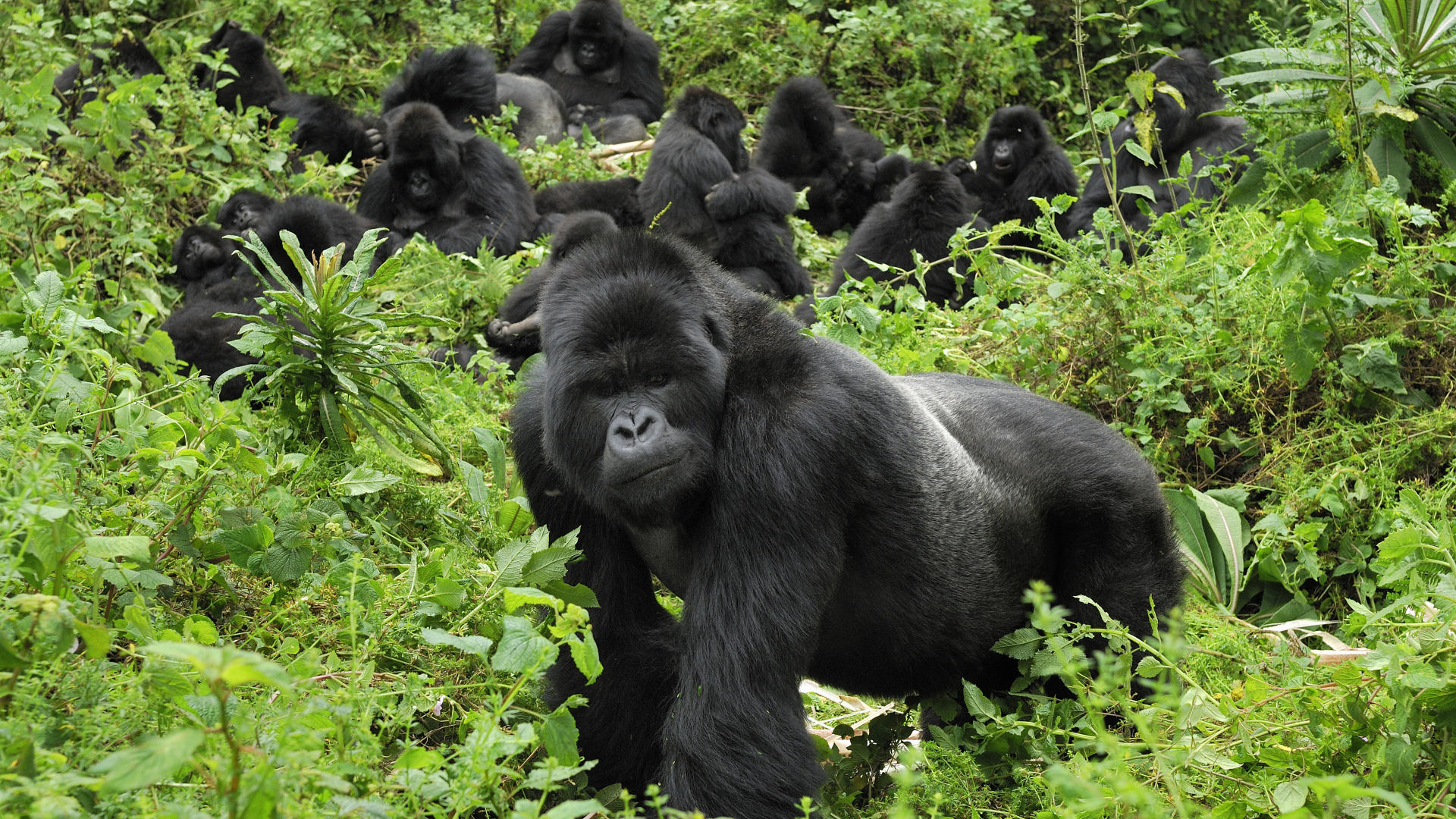
Volcano Views During Gorilla Trekking provide exceptional opportunities for landscape and wildlife photography. The combination of volcanic peaks, rainforest, and gorilla subjects creates powerful visual compositions.
Wide-angle shots are particularly effective for capturing both the scale of the mountains and the intimacy of gorilla encounters. The contrast between dark forest foregrounds and bright volcanic skylines adds depth to images.
Lighting conditions vary throughout the day. Morning light often produces soft illumination ideal for landscape clarity, while midday conditions enhance contrast and shadow definition.
Even when clouds reduce visibility, mist and fog can create dramatic photographic effects that emphasize mood over clarity.
Ecological Connection Between Volcanoes and Mountain Gorillas
Volcano Views During Gorilla Trekking are deeply tied to the ecological survival of mountain gorillas. The volcanic soil in this region is extremely fertile, supporting dense vegetation that provides food and shelter.
Bamboo forests thrive on volcanic slopes and form a major part of the gorilla diet. As trekkers move through these habitats, they are walking through a living ecosystem shaped by volcanic activity over thousands of years.
This connection between geology and wildlife adds meaning to the trekking experience, showing how closely gorillas depend on their volcanic environment.
Conservation of Mountain Gorilla Ecosystems
Protecting Volcano Views During Gorilla Trekking also means protecting the habitat of mountain gorillas. Conservation efforts in Uganda and Rwanda focus on preserving both wildlife and the volcanic ecosystems they depend on.
Tourism plays a vital role in this process. Revenue from gorilla trekking permits supports anti-poaching patrols, habitat conservation, scientific research, and community development initiatives.
As a result, every trekking experience contributes directly to the protection of one of the world’s rarest primates and their volcanic home.
Why Volcano Views During Gorilla Trekking Are Unforgettable
Volcano Views During Gorilla Trekking create one of the most visually and emotionally powerful safari experiences in the world. The combination of shifting weather, dramatic volcanic peaks, and dense rainforest ensures that no two treks are ever the same.
From the steep slopes of Uganda’s Mgahinga Gorilla National Park to the expansive volcanic chain of Rwanda, these landscapes shape every stage of the journey. The volcanoes are not just scenery; they are active participants in the trekking experience.
Ultimately, Volcano Views During Gorilla Trekking transform a wildlife encounter into a journey through one of the most extraordinary volcanic regions on Earth, leaving travelers with lasting memories of both nature and adventure.


