

Entebbe wildlife is one of the most accessible and diverse wildlife experiences in Uganda, offering visitors a unique combination of conservation centers, wetlands, forest habitats, and lakeside ecosystems. Although Uganda is globally known for its national parks, Entebbe provides a rare opportunity to experience wildlife without traveling long distances.
Located on the shores of Lake Victoria, Entebbe serves as both a gateway and a destination. Because of its strategic position, visitors often encounter wildlife within minutes of arriving in the country.
In addition, Entebbe wildlife experiences are suitable for all types of travelers, including families, solo visitors, photographers, and birdwatchers. As a result, the town has become an important hub for eco-tourism and conservation education.
Furthermore, understanding Entebbe wildlife helps travelers appreciate Uganda’s biodiversity before continuing to larger safari destinations.
What It Feels Like to See Wildlife in Entebbe at Sunrise
Experiencing Entebbe wildlife at sunrise is one of the most peaceful and memorable moments in Uganda. Although many travelers arrive expecting a busy airport town, the early morning environment reveals a very different atmosphere.
As the sun begins to rise over Lake Victoria, the landscape slowly brightens, and the air feels cooler and fresher. In addition, birds become highly active during this time, filling the wetlands and forest edges with sound and movement.
Because of the calm conditions, wildlife observation feels more intimate and natural. Monkeys often move quietly through trees, while birds glide over the water in search of food. Furthermore, the soft golden light enhances visibility and creates ideal photography conditions.
As a result, sunrise becomes one of the most rewarding times to experience Entebbe wildlife, especially for travelers seeking a quiet and immersive connection with nature.
Why Entebbe Wildlife Is Unique in Uganda
Entebbe wildlife is unique because it combines natural habitats with structured conservation environments. Although most wildlife destinations in Uganda require travel to national parks, Entebbe offers immediate access to animals and ecosystems.
In addition, the area features a mix of forest, wetland, and lakeside environments. Therefore, wildlife diversity is surprisingly high for such a compact region.
Because of conservation efforts and protected areas, visitors can observe animals in both natural and semi-managed environments. As a result, Entebbe becomes an educational and immersive introduction to Uganda’s wildlife.
Moreover, its proximity to the international airport makes it one of the most convenient wildlife destinations in East Africa.
Uganda Wildlife Education Centre and Entebbe Wildlife
One of the most important components of Entebbe wildlife is the Uganda Wildlife Education Centre. Although it is sometimes referred to as a zoo, its primary purpose is conservation and education.
Here, visitors encounter rescued animals such as lions, giraffes, chimpanzees, rhinos, crocodiles, and various bird species. In addition, the center provides insights into Uganda’s conservation efforts and biodiversity protection programs.
Because of its structured environment, the center allows safe and close wildlife observation. As a result, it is particularly popular among families and first-time visitors.
Furthermore, guided experiences help travelers understand animal behavior and ecological importance.
Mabamba Swamp and Birdlife in Entebbe Wildlife

Mabamba Swamp is one of the most significant wetland ecosystems connected to Entebbe wildlife. Although it is located slightly outside the town, it is easily accessible and highly important for birdwatching.
The swamp is internationally known for the rare Shoebill Stork, one of Africa’s most sought-after bird species. In addition, it hosts a wide range of other bird species that thrive in papyrus wetlands.
Because of its ecological richness, Mabamba plays a critical role in Uganda’s birding tourism sector.
Furthermore, guided canoe experiences allow visitors to move quietly through the swamp, increasing chances of wildlife sightings.
As a result, it is considered one of the most rewarding Entebbe wildlife experiences.
Ngamba Island and Entebbe Wildlife Conservation
Ngamba Island Chimpanzee Sanctuary is another key part of Entebbe wildlife. Located on Lake Victoria, the island provides a safe home for rescued chimpanzees.
Although visitors cannot freely roam the island, controlled viewing experiences allow observation of feeding sessions and behavioral interactions.
In addition, conservation staff educate visitors about primate protection and rehabilitation efforts.
Because chimpanzees are highly intelligent and social animals, the experience is both emotional and educational.
Furthermore, boat access to the island adds an adventurous dimension to the visit.
Entebbe Botanical Gardens and Wildlife Habitats
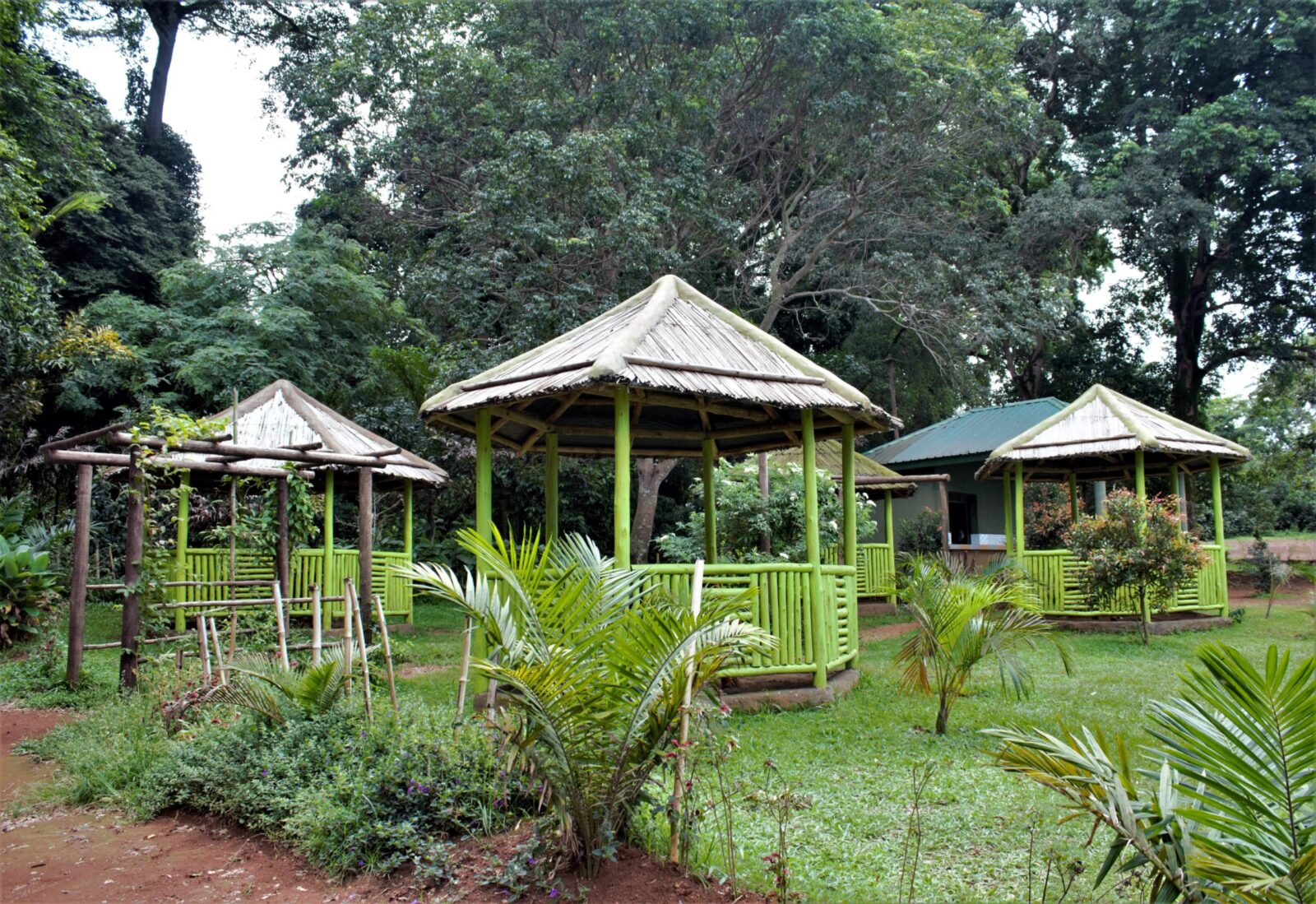
The Entebbe Botanical Gardens represent one of the oldest natural habitats linked to Entebbe wildlife. Although primarily a plant conservation area, the gardens also support monkeys, birds, and small mammals.
Because of its diverse ecosystem, the area provides a natural environment for wildlife observation.
In addition, the gardens offer peaceful walking trails surrounded by tropical vegetation.
Furthermore, birdwatchers frequently visit due to the variety of species present throughout the year.
As a result, the gardens remain a key component of Entebbe’s wildlife experience.
Birdwatching as Part of Entebbe Wildlife
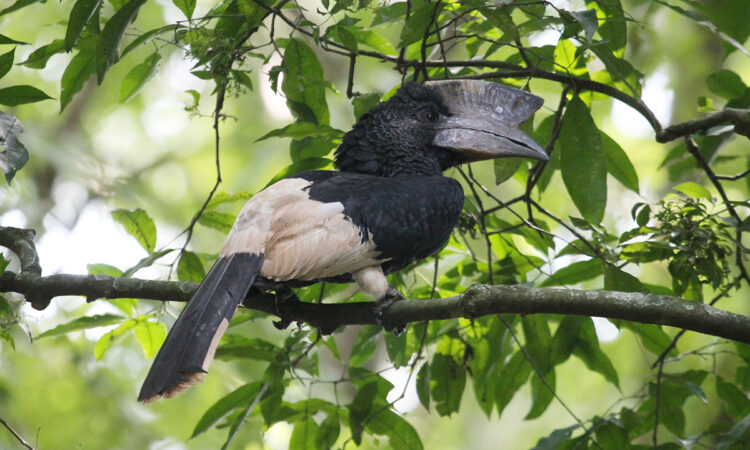
Birdwatching is one of the strongest aspects. Although Uganda is famous for gorillas and big game, Entebbe offers exceptional bird diversity.
Wetlands, forests, and lakeside environments create ideal conditions for both resident and migratory species.
In addition, early morning hours provide the best viewing opportunities due to increased bird activity.
Because of this diversity, Entebbe is considered a top birding destination in East Africa.
Furthermore, even casual visitors often encounter colorful and unique species during their stay.
Forest Ecosystems and Entebbe Wildlife Diversity
Forest areas around Entebbe contribute significantly to wildlife diversity. Although these forests are smaller than national parks, they play an important ecological role.
They provide shelter for monkeys, birds, butterflies, and small mammals.
In addition, forest trails offer quiet and immersive nature experiences.
Because of their protected status, these areas maintain ecological balance despite urban proximity.
As a result, they enhance the overall richness of Entebbe wildlife. Is Entebbe Wildlife Worth It?
Many travelers ask whether Entebbe wildlife is worth including in their Uganda itinerary. The answer is yes, especially for first-time visitors who want an accessible introduction to the country’s biodiversity.
Although Uganda is famous for gorilla trekking and large national parks, Entebbe offers something different. It provides immediate wildlife exposure without long travel distances.
In addition, the variety of ecosystems wetlands, forests, and lakes creates a balanced wildlife experience. Therefore, even short stays can be highly rewarding.
Because of its accessibility, it is ideal for:
- Layovers and short stays
- Families with children
- First-time safari travelers
- Birdwatching enthusiasts
As a result, it serves as a strong starting point for deeper Uganda wildlife journeys.
ACTIVITIES IN ENTEBBE WILDLIFE EXPERIENCES
Wildlife Viewing and Conservation Experiences
One of the core activities within Entebbe wildlife is structured wildlife viewing at conservation centers. Although Entebbe is not a traditional safari park, it offers close-up encounters with rescued and protected animals.
Visitors can observe species such as primates, reptiles, and large mammals in safe and educational environments. In addition, guided explanations help travelers understand animal behavior and conservation efforts in Uganda.
Because of its accessibility, this activity is ideal for first-time visitors and families who want a gentle introduction to Uganda’s biodiversity.
Furthermore, the experience provides valuable insight into wildlife protection programs, making it both educational and memorable.
Birdwatching in Wetlands and Lakeside Areas
Birdwatching is one of the most rewarding activities within Entebbe wildlife. Although many travelers come for general sightseeing, they quickly discover the region’s exceptional bird diversity.
Wetlands, forest edges, and lakeside zones provide habitats for both resident and migratory bird species. In addition, early morning hours offer the best viewing conditions due to increased activity.
Because of the variety of ecosystems, birdwatching in Entebbe feels dynamic and constantly changing.
Furthermore, even casual visitors often encounter colorful species without needing specialized equipment.
Boat-Based Wildlife Exploration on Lake Victoria
Boat excursions are a key part of the Entebbe wildlife experience. Although land-based activities are common, water-based exploration offers a completely different perspective.
Travelers can move across Lake Victoria to observe shoreline ecosystems, bird habitats, and island environments.
In addition, guided boat trips often include educational commentary about the lake’s ecological importance.
Because of calm water conditions near Entebbe, these excursions are suitable for most travelers.
As a result, boat activities remain one of the most popular ways to experience wildlife from a different angle.
Forest Walks and Nature Trails
Forest walks provide a quieter and more immersive way to experience Entebbe wildlife. Although these forests are relatively small compared to national parks, they contain rich biodiversity.
Visitors may encounter monkeys, butterflies, birds, and unique plant species along walking trails.
In addition, shaded paths create a cool and comfortable environment for exploration.
Because of their peaceful nature, forest walks are ideal for travelers seeking relaxation and natural immersion.
Furthermore, guided walks enhance understanding of ecological relationships within the forest ecosystem.
Photography and Nature Observation
Photography is a major activity within Entebbe wildlife due to its diverse landscapes and lighting conditions.
Early mornings and late afternoons provide soft natural light, which enhances both wildlife and scenery shots.
In addition, the combination of lake, forest, and wetland environments creates varied photographic opportunities within a small area.
Because of this diversity, Entebbe is highly attractive to both amateur and professional photographers.
Furthermore, wildlife encounters often occur in open environments, making them easier to capture.
Cultural and Community Interaction Experiences
Cultural interaction is another important activity connected to Entebbe wildlife. Although the focus is natural ecosystems, local communities play a vital role in shaping the experience.
Visitors may observe fishing practices, local markets, and traditional lakeside lifestyles.
In addition, community-based tourism initiatives allow travelers to engage more directly with local culture.
Because of this interaction, Entebbe wildlife becomes not only an ecological experience but also a cultural one.
Furthermore, these activities support local livelihoods and promote sustainable tourism.
Relaxation and Lakeside Experiences
Relaxation is a significant part of Entebbe wildlife tourism. Although many activities are structured, the lakeside environment encourages slow and peaceful exploration.
Visitors often spend time along the shoreline observing water movement, bird activity, and changing light conditions.
In addition, quiet seating areas and open spaces allow for reflection and rest.
Because of its calm atmosphere, Entebbe is often used as a recovery point before or after safari travel.
As a result, relaxation becomes an essential part of the overall wildlife experience.
Realistic Cost and Planning Guide for Entebbe Wildlife
Understanding the cost structure of Entebbe wildlife experiences helps travelers plan efficiently and avoid surprises.
Although prices vary depending on season and tour type, most wildlife experiences fall into predictable ranges.
Wildlife center visits are generally affordable and suitable for all budgets. In contrast, specialized experiences such as island visits or guided swamp tours require higher investment due to logistics and conservation fees.
In addition, transportation costs depend on distance and whether private or shared options are used.
Because Entebbe is compact, travel expenses remain relatively low compared to other safari regions in Uganda.
Transport Expectations for Wildlife Exploration
Transport in Entebbe is generally straightforward due to short distances between attractions.
Most wildlife sites are within a short drive from the town center or airport. Therefore, visitors rarely face long or complex transfers.
However, swamp and island visits may require boat transport or guided transfers.
In addition, traffic is usually light compared to larger cities, making movement efficient and predictable.
As a result, Entebbe wildlife experiences are considered highly accessible for all types of travelers.
Time Efficiency Guide for Wildlife Experiences
Time efficiency is one of the strongest advantages of Entebbe wildlife.
Because attractions are close together, visitors can experience multiple ecosystems in a single day.
For example, it is possible to visit a wildlife center in the morning, explore a lakeside area in the afternoon, and enjoy a sunset experience in the evening.
In addition, guided tours help optimize movement between sites, reducing waiting time and improving overall experience quality.
Therefore, Entebbe is ideal for travelers who want maximum wildlife exposure in minimal time.
How Long Should You Stay in Entebbe for Wildlife?
The ideal stay depends on your travel goals, although most visitors benefit from at least one to two days.
A short stay allows travelers to experience key highlights such as wildlife centers and lakeside areas. However, a longer stay provides time for birdwatching, swamp visits, and relaxed exploration.
In addition, staying longer increases the chance of experiencing sunrise and sunset wildlife activity, which are the most rewarding periods.
Therefore, while Entebbe wildlife can be explored briefly, a longer stay delivers a significantly richer experience.
What Should You Prioritize First?
When exploring Entebbe, prioritization depends on your interests.
If your focus is conservation and education, wildlife centers should come first. However, if you prefer natural environments, wetlands and forest areas offer a more immersive experience.
In addition, birdwatchers should prioritize early morning swamp visits for the best sightings.
Because time is often limited, combining one structured wildlife experience with one natural ecosystem visit provides the best balance.
Lake Victoria’s Role in Entebbe Wildlife
Lake Victoria plays a central role in shaping Entebbe wildlife ecosystems. Although primarily a water body, it supports fish species, birds, and shoreline habitats.
In addition, the lake influences local climate and vegetation patterns.
Because of its size and ecological importance, it acts as a natural connector between different wildlife zones.
Furthermore, fishing communities contribute to the human-wildlife interaction dynamic.
As a result, the lake remains essential to Entebbe’s ecological identity.
Conservation Importance of Entebbe Wildlife
Conservation is a major theme within. Although tourism is important, protecting biodiversity remains the primary goal of many local institutions.
Wildlife education centers, sanctuaries, and wetlands all contribute to conservation awareness.
In addition, community involvement plays a key role in sustainability efforts.
Because of these initiatives, Entebbe continues to support both tourism and ecological protection.
Furthermore, visitors contribute indirectly to conservation through tourism activities.
Travel Tips for Experiencing Entebbe Wildlife
Visitors exploring Entebbe wildlife benefit from early planning and timing awareness.
Although wildlife can be seen throughout the day, mornings often provide the best visibility.
In addition, guided tours improve both safety and knowledge depth.
Because of changing weather conditions, flexible planning enhances the experience.
Furthermore, respecting wildlife guidelines ensures sustainable tourism practices.
Safety and Accessibility of Entebbe Wildlife
Entebbe wildlife experiences are generally safe for travelers. Although natural environments require basic caution, most tourist sites are well-managed.
In addition, proximity to urban areas ensures easy access to emergency services if needed.
Because of structured tourism systems, visitors can explore confidently.
Furthermore, guided experiences improve safety and reduce risks.
Budget Planning for Entebbe Wildlife
Exploring Entebbe wildlife can suit different budgets depending on activities.
Although some experiences involve entrance fees or guided tours, others are freely accessible.
In addition, transportation costs remain relatively low due to short distances between sites.
Because of this flexibility, Entebbe is suitable for both budget and luxury travelers.
Furthermore, safari packages often include wildlife experiences, improving value for visitors.
First-Time Visitor Experience Timeline (Hour-by-Hour)
For first-time visitors, understanding how a day unfolds in Entebbe wildlife helps create a smooth and enjoyable experience.
In the morning, wildlife activity is at its highest, making it the best time for structured visits and guided tours. As the day progresses, temperatures rise slightly, and activity shifts toward shaded areas and water environments.
During the afternoon, travelers often explore lakeside or forest areas where conditions are more relaxed. In addition, this period is ideal for photography and slow-paced observation.
By evening, the environment becomes calm again, and sunset conditions create strong visual and emotional highlights.
Because of this natural rhythm, a full-day wildlife experience in Entebbe feels balanced and dynamic.
Frequently Asked Questions
- What is Entebbe wildlife known for?
It is known for conservation centers, birds, and lake ecosystems. - Where can I see wildlife in Entebbe?
At wildlife centers, wetlands, forests, and Lake Victoria. - Is Entebbe good for birdwatching?
Yes, it is one of Uganda’s top birding destinations. - Can I see chimpanzees in Entebbe wildlife areas?
Yes, at Ngamba Island Sanctuary. - What animals are found in Entebbe?
Monkeys, birds, reptiles, and rescued mammals. - Is Entebbe wildlife suitable for families?
Yes, it is very family-friendly. - What is the best time for wildlife viewing?
Early morning and late afternoon. - Are guided tours available?
Yes, guided experiences are widely available. - Is Entebbe wildlife safe for tourists?
Yes, it is generally safe. - Can I combine wildlife with safari trips?
Yes, Entebbe is a safari gateway. - Are there forests in Entebbe?
Yes, small protected forest areas exist. - What is Mabamba Swamp known for?
The rare Shoebill Stork. - Is photography allowed in wildlife areas?
Yes, it is encouraged. - Do I need a guide?
Not always, but guides improve experience quality. - Who organizes wildlife tours in Entebbe?
Ababa Uganda Safaris provides guided wildlife experiences.
Conclusion: Exploring the Richness of Entebbe Wildlife
Entebbe wildlife offers one of the most accessible and diverse nature experiences in Uganda. Because it combines wetlands, forests, conservation centers, and Lake Victoria ecosystems, it provides a complete introduction to the country’s biodiversity.
Furthermore, its proximity to the airport makes it an ideal starting or ending point for any Uganda journey.
Ultimately, visitors who explore Entebbe wildlife gain a deeper appreciation of Uganda’s ecological richness and conservation efforts.
For travelers seeking guided wildlife experiences, seamless transport, and expert planning, Ababa Uganda Safaris offers tailored tours that ensure every visitor experiences the very best of Entebbe wildlife and beyond.


