
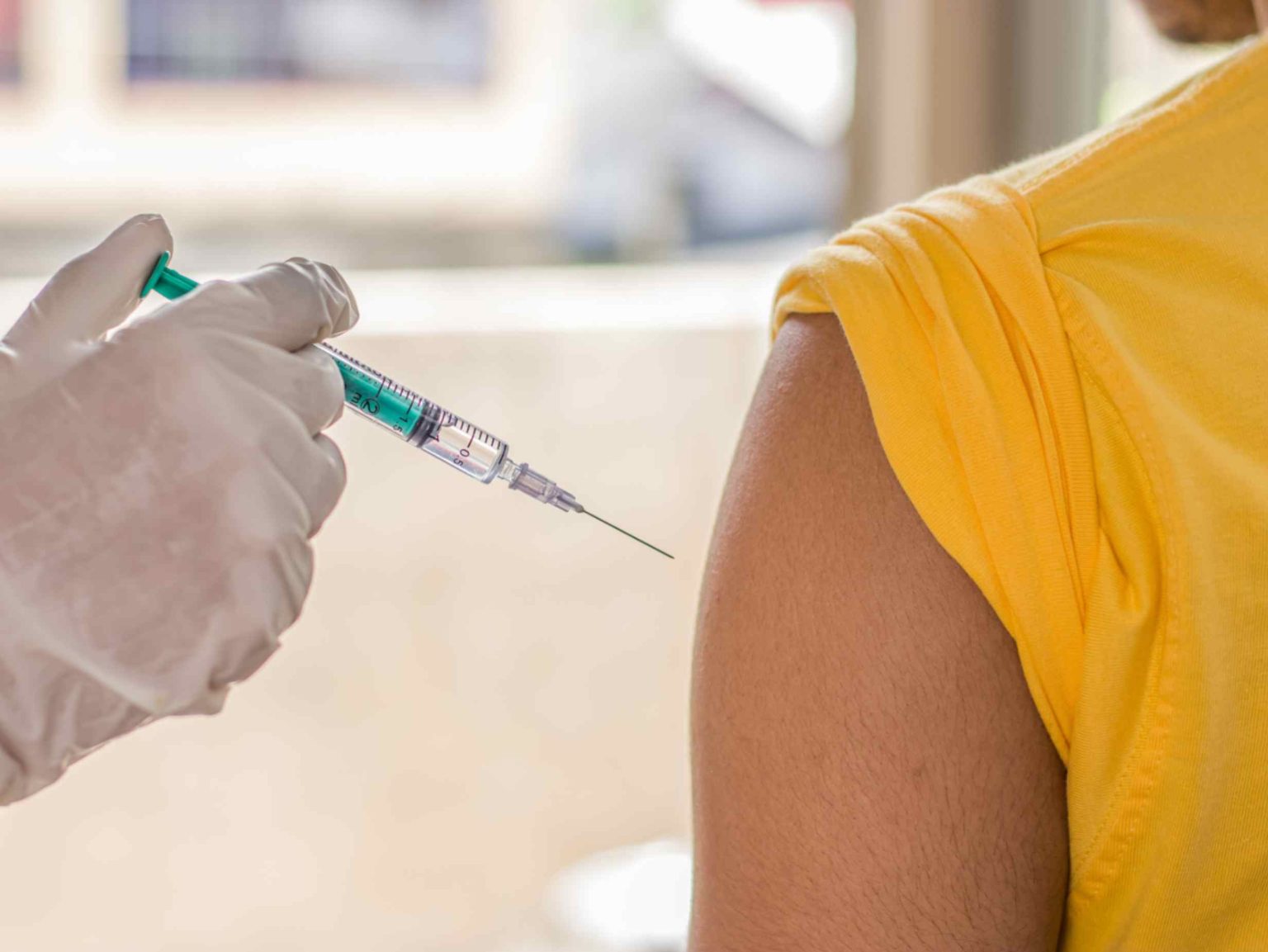
Yellow Fever Vaccination Uganda requirements are among the most important travel health regulations that international visitors must understand before planning a trip to the country. Whether you are visiting for gorilla trekking, wildlife safaris, birdwatching, cultural experiences, or business travel, preparing the correct health documentation can help you avoid unnecessary delays and ensure a smooth arrival.
However, before booking flights and finalizing safari plans, travelers should understand the country’s health and entry requirements. Among the most important regulations is the requirement related to yellow fever vaccination.
Many visitors focus on visas, accommodation, and transportation while overlooking health documentation. Yet yellow fever vaccination requirements can affect airline boarding procedures, immigration clearance, and entry into Uganda. Understanding these regulations before departure helps travelers avoid delays, unnecessary stress, and unexpected travel disruptions.
Based on years of assisting international visitors planning Uganda safaris, one of the most common questions travelers ask concerns yellow fever vaccination. Some visitors are unsure whether the vaccine is mandatory, while others wonder if transit through another country affects entry requirements. This guide answers those questions and provides practical information to help ensure a smooth arrival in Uganda.
Do You Need a Yellow Fever Vaccine to Enter Uganda?
Many travelers entering Uganda are required to present proof of yellow fever vaccination through an International Certificate of Vaccination or Prophylaxis, commonly known as the Yellow Card.
Requirements can vary depending on nationality, country of departure, travel history, and transit routes. Therefore, every traveler should verify the latest regulations before departure.
Because health regulations occasionally change, checking official travel advisories before your trip remains essential.
What Is Yellow Fever?
Yellow fever is a viral disease transmitted by infected mosquitoes. The disease occurs primarily in parts of Africa and South America and ranges from mild illness to severe, life-threatening infection.
Symptoms may include fever, headache, muscle aches, fatigue, chills, nausea, and weakness. In more severe cases, yellow fever can affect major organs and require hospitalization.
Although many travelers never encounter the disease, prevention remains critical. Consequently, vaccination programs play a major role in protecting public health and reducing international disease transmission.
For this reason, numerous countries require proof of vaccination before allowing entry.
Why Uganda Requires Yellow Fever Vaccination
Uganda’s yellow fever regulations are part of broader public health protection measures designed to prevent outbreaks and limit disease transmission.
As a country located within a region where yellow fever can occur, Uganda follows internationally recognized health protocols aimed at reducing the risk of imported cases.
Health authorities work closely with international organizations to strengthen disease surveillance and border health screening measures. These efforts help protect residents, visitors, and neighboring countries.
Moreover, the growth of international tourism has increased the importance of maintaining effective disease prevention systems. Every year, thousands of travelers arrive in Uganda for gorilla trekking, wildlife safaris, volunteer programs, business travel, and cultural tourism. Vaccination requirements help ensure that increasing travel volumes do not create unnecessary public health risks.
Understanding the International Certificate of Vaccination
After receiving a yellow fever vaccination, travelers are issued an International Certificate of Vaccination or Prophylaxis.
This certificate serves as official proof of vaccination and may be requested at multiple stages of international travel.
Airlines often review health documentation before boarding passengers on international routes. Immigration authorities may also request vaccination certificates upon arrival.
From practical experience assisting safari clients, travelers who keep both physical and digital copies of their vaccination certificates typically experience fewer complications during their journeys.
While digital backups are useful, carrying the original document remains highly recommended.
When Should You Get the Yellow Fever Vaccine?
Travel health professionals generally recommend receiving the yellow fever vaccine at least ten days before international travel.
This period allows the body to develop adequate immunity and ensures the vaccination certificate becomes valid for travel purposes.
However, experienced travel consultants often encourage visitors to begin travel health planning much earlier.
Ideally, vaccination consultations should take place four to eight weeks before departure. Early planning provides enough time to schedule appointments, address medical concerns, and complete any additional travel health preparations.
Travelers who wait until the final days before departure occasionally encounter scheduling challenges, particularly during busy travel seasons.
Who Should Consider Early Vaccination Planning?
Several categories of travelers benefit from planning well in advance.
Visitors preparing for gorilla trekking safaris often coordinate vaccination schedules alongside permit reservations and accommodation bookings.
Families traveling with children may require additional consultation regarding travel health recommendations.
Multi-country travelers visiting Uganda, Kenya, Rwanda, and Tanzania should also verify regional vaccination requirements before departure.
Furthermore, individuals with underlying medical conditions should discuss vaccination timing with healthcare professionals early in the planning process.
Yellow Fever Vaccination and Uganda Gorilla Trekking Safaris
Gorilla trekking remains Uganda’s most sought-after tourism activity.
Each year, visitors travel from around the world to see mountain gorillas in Bwindi Impenetrable National Park and Mgahinga Gorilla National Park.
Although yellow fever vaccination is not specifically required for gorilla trekking itself, compliance with Uganda’s entry regulations is essential for accessing these world-renowned destinations.
Many first-time visitors focus heavily on gorilla permits and fitness preparation. However, experienced safari planners understand that travel documentation and health preparation are equally important.
In our experience working with travelers preparing for gorilla safaris, those who organize vaccination requirements early generally enjoy a smoother travel experience and avoid last-minute complications.
Yellow Fever Regulations at Entebbe International Airport
Most international visitors arrive through Entebbe International Airport, Uganda’s primary international gateway.
Immigration and health screening procedures may include verification of required travel documents, including vaccination certificates where applicable.
Travelers should keep their passports, visas, vaccination certificates, and supporting travel documents easily accessible during arrival procedures.
Preparation significantly reduces delays and helps ensure a seamless entry process.
Many experienced travelers organize all health and immigration documents in a dedicated travel folder before departure. This simple practice can save valuable time during airport screening.
Countries That May Trigger Yellow Fever Documentation Requirements
Travelers are often surprised to learn that vaccination requirements may depend not only on nationality but also on recent travel history.
Passengers arriving from countries with yellow fever transmission risk may be required to present vaccination documentation.
Similarly, transit through certain countries may influence entry requirements.
Because international travel routes vary significantly, travelers should always verify current regulations before departure rather than relying on assumptions based on previous trips.
Travel regulations can evolve in response to changing public health conditions, making up-to-date information essential.
Common Mistakes Travelers Make Before Visiting Uganda
One of the most common mistakes is assuming that vaccination requirements apply only to long-term visitors. In reality, short-term tourists may also need appropriate documentation.
Another frequent error involves waiting too long to arrange vaccination appointments. Last-minute planning creates unnecessary stress and may limit available options.
Travelers also occasionally misplace vaccination certificates or pack them in checked luggage instead of carrying them during travel.
Perhaps the most avoidable mistake is relying solely on outdated information from online forums rather than consulting current travel advisories and professional travel health resources.
By planning ahead and verifying requirements through reliable sources, travelers can avoid most common entry-related challenges.
Are There Any Exemptions to Uganda’s Yellow Fever Requirements?
While yellow fever vaccination is recommended for many travelers entering Uganda, certain exemptions may apply in specific circumstances.
Some individuals cannot receive the vaccine for medical reasons. These may include people with severe allergies to vaccine components, certain immune system conditions, or specific medical circumstances identified by healthcare professionals.
In such situations, travelers should consult their healthcare providers well before departure. Medical documentation may be required to explain the exemption. However, exemption procedures and acceptance can vary depending on travel regulations and public health policies in place at the time of travel.
Therefore, travelers should never assume that an exemption automatically guarantees entry without additional requirements. Early consultation and proper documentation are essential.
Yellow Fever Vaccination for Children Traveling to Uganda
Families planning safaris often ask whether children require yellow fever vaccination before visiting Uganda.
The answer depends on the child’s age, health status, and travel itinerary. Parents should seek guidance from pediatric travel health specialists well before departure.
In our experience assisting family safari travelers, early consultation helps parents make informed decisions and ensures all travel health requirements are addressed before international travel.
Children visiting Uganda for wildlife safaris, cultural tours, or gorilla trekking family holidays should have travel health preparations completed as part of the overall trip planning process.
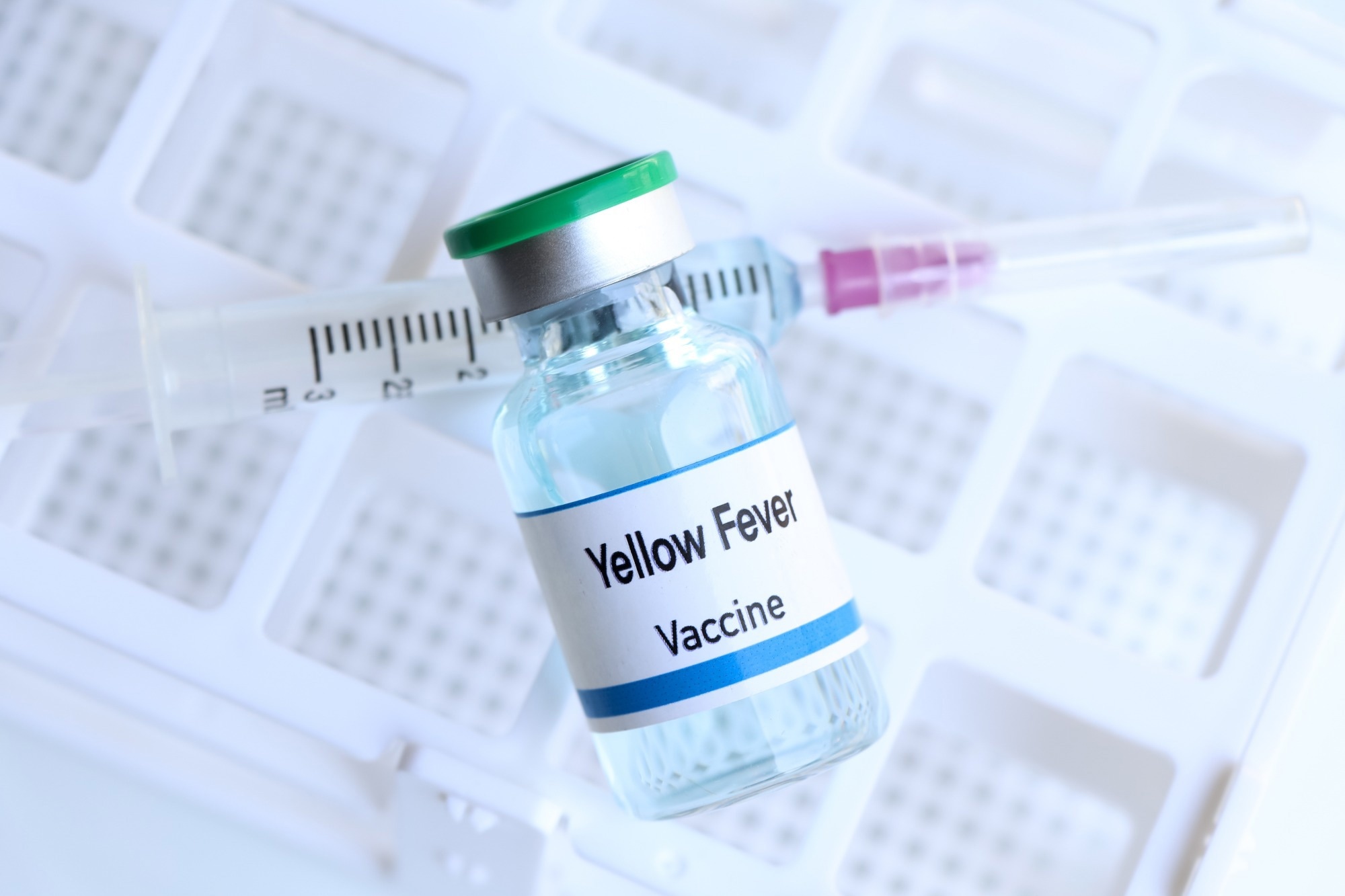
Yellow Fever Vaccination During Pregnancy
Pregnant travelers frequently seek advice regarding yellow fever vaccination and international travel.
Because every pregnancy is unique, healthcare professionals should evaluate individual circumstances before making recommendations.
Women who are pregnant or planning pregnancy should schedule travel health consultations as early as possible. This allows adequate time for personalized medical guidance and travel planning.
As with all health-related decisions, professional medical advice should take precedence over general online information.
How Much Does Yellow Fever Vaccination Cost?
One of the most common travel planning questions concerns vaccination costs.
The cost of yellow fever vaccination varies depending on the country, healthcare provider, travel clinic, and local regulations. Some countries offer vaccination through public health programs, while others provide it through private travel clinics.
Because pricing structures differ significantly around the world, travelers should contact authorized vaccination centers directly for current costs.
Although the vaccine represents an additional travel expense, it is often a small investment compared to the overall cost of international flights, safari packages, accommodations, and gorilla permits.
More importantly, vaccination provides long-term health protection and supports compliance with international travel requirements.
Where Can You Get a Yellow Fever Vaccine?
Yellow fever vaccines are generally available through authorized vaccination centers and travel medicine clinics.
Not every healthcare facility administers yellow fever vaccines. Therefore, travelers should confirm availability before scheduling appointments.
Travel health clinics often provide additional services such as destination-specific health advice, malaria prevention consultations, and recommendations for other travel vaccinations.
Booking appointments several weeks before departure helps ensure adequate preparation time.
Other Travel Vaccinations Recommended for Uganda
Although yellow fever receives significant attention, travelers should also consider broader travel health preparations.
Many healthcare professionals discuss protection against hepatitis A, hepatitis B, typhoid, tetanus, and routine immunizations during pre-travel consultations.
Recommendations vary depending on travel duration, planned activities, accommodation types, and personal medical history.
For example, a traveler spending two weeks on a luxury safari may receive different recommendations than someone planning an extended volunteer placement in rural communities.
Consequently, personalized travel health consultations remain one of the most valuable aspects of trip preparation.
Malaria Prevention for Uganda Travelers
While yellow fever vaccination protects against one mosquito-borne disease, malaria prevention remains equally important for visitors to Uganda.
Uganda’s diverse landscapes include regions where malaria transmission occurs. Therefore, travelers should discuss prevention strategies with healthcare professionals before departure.
Effective malaria prevention often combines multiple approaches.
These may include mosquito repellents, long-sleeved clothing during evening hours, sleeping under treated mosquito nets where appropriate, and prescribed preventive medications.
From practical safari experience, travelers who follow malaria prevention recommendations generally enjoy more comfortable and worry-free journeys.
East Africa Multi-Country Travel and Yellow Fever Regulations
Many visitors combine Uganda with neighboring destinations such as Rwanda, Kenya, and Tanzania.
These multi-country safaris offer exceptional opportunities to experience East Africa’s diverse wildlife, cultures, and landscapes. However, they also introduce additional travel health considerations.
Travelers moving between countries should verify entry requirements for each destination within their itinerary.
One common mistake involves checking only the regulations for the first destination while overlooking requirements for subsequent border crossings.
Experienced safari planners typically review the entire travel route to ensure compliance with all relevant health and immigration regulations.
This proactive approach reduces the likelihood of unexpected challenges during the journey.
Travel Health Preparation Timeline
Eight Weeks Before Departure
Schedule a consultation with a travel health professional. Review vaccination requirements, discuss medical conditions, and begin planning health-related preparations.
Four Weeks Before Departure
Complete recommended vaccinations, purchase travel insurance, and finalize safari arrangements.
Two Weeks Before Departure
Confirm travel documents, organize vaccination certificates, and prepare any required medications.
One Week Before Departure
Monitor your health, maintain good hydration, and ensure all travel documentation is readily accessible.
Day of Travel
Carry your passport, visa documentation, vaccination certificate, travel insurance information, and emergency contacts in your hand luggage.
Expert Travel Advice Based on Safari Experience
Having assisted travelers preparing for Uganda safaris over many years, several patterns consistently emerge.
Travelers who begin health preparations early experience fewer travel complications. They have more time to address documentation requirements, schedule medical appointments, and receive professional advice tailored to their itinerary.
Similarly, visitors who maintain organized travel records often move through airport and immigration procedures more efficiently.
Another important observation involves communication. Travelers who ask questions early in the planning process generally avoid last-minute surprises and enjoy a smoother overall experience.
Preparation does not eliminate every travel challenge, but it significantly reduces avoidable problems and contributes to a more enjoyable journey.
Why Yellow Fever Regulations Matter for Tourism
Uganda’s tourism industry depends on maintaining high standards of visitor safety and public health protection.
Yellow fever regulations support these objectives by reducing disease transmission risks and strengthening international confidence in travel safety.
Healthy tourism systems benefit everyone involved. Visitors enjoy safer travel experiences, local communities receive economic benefits, and conservation programs gain critical support through tourism revenue.
Consequently, compliance with health regulations contributes not only to personal travel success but also to the sustainability of Uganda’s tourism sector.
Final Conclusion
Understanding yellow fever vaccination and entry regulations for Uganda is one of the most important steps in preparing for a successful trip.
Whether you are planning a gorilla trekking adventure in Bwindi Impenetrable National Park, a wildlife safari in Queen Elizabeth National Park, or a multi-country East African journey, proper health preparation can save time, reduce stress, and prevent travel disruptions.
The most effective approach is simple: begin planning early, verify current requirements, consult qualified healthcare professionals, and keep all essential documentation accessible throughout your journey.
By taking these steps, you can focus on enjoying Uganda’s remarkable wildlife, breathtaking landscapes, and rich cultural heritage rather than worrying about avoidable travel complications.
If you are planning a safari in Uganda, our experienced travel specialists can help you navigate entry requirements, gorilla permits, accommodation options, transportation logistics, and customized safari itineraries. Contact our team today to begin planning a seamless and unforgettable Uganda adventure.
Frequently Asked Questions
Is yellow fever vaccination mandatory for Uganda?
Many travelers must present proof of yellow fever vaccination when entering Uganda, depending on their travel history and point of departure.
How long is a yellow fever vaccination certificate valid?
In most cases, the International Certificate of Vaccination remains valid for life.
Can I enter Uganda without a Yellow Fever Certificate?
Immigration officials may delay entry or conduct additional screening if you arrive without the required documentation.
Is yellow fever vaccination required for gorilla trekking?
Uganda may require yellow fever vaccination for entry, although gorilla trekking operators do not specifically require it for the activity itself.
Do children need yellow fever vaccination before visiting Uganda?
Parents should consult a pediatric travel health specialist to determine the appropriate vaccination requirements for their child.
Can pregnant people receive the yellow fever vaccine?
Pregnant travelers should consult their healthcare providers before making vaccination decisions.
What happens if I lose my vaccination certificate?
Keep a digital backup and contact the vaccination center that issued the certificate to request guidance or replacement documentation.
Is yellow fever vaccination required for Rwanda and Kenya travel?
Travel regulations vary by country and travel history, so travelers should verify the latest requirements before departure.
Can I get vaccinated at the airport?
Airport vaccination services vary by country. Obtaining vaccination before travel is strongly recommended.
Which countries are considered yellow fever risk areas?
Official health authorities maintain updated lists of countries where yellow fever transmission occurs.
How soon before travel should I get vaccinated?
Most travel health professionals recommend receiving the vaccine at least ten days before departure.
What are the common side effects of the yellow fever vaccine?
Some travelers may experience mild soreness at the injection site, fatigue, or low-grade fever.
What other vaccinations are recommended for Uganda?
Recommendations often include hepatitis A, hepatitis B, typhoid, tetanus, and routine immunizations.
Do I need malaria medication for Uganda?
Many travelers discuss malaria prevention options with healthcare professionals before departure.
Why does Uganda enforce yellow fever regulations?
Uganda enforces these regulations to reduce disease transmission risks, protect public health, and support safe international travel.


